The Practical Design Logic Behind Indoor Cat Furniture for Climbing
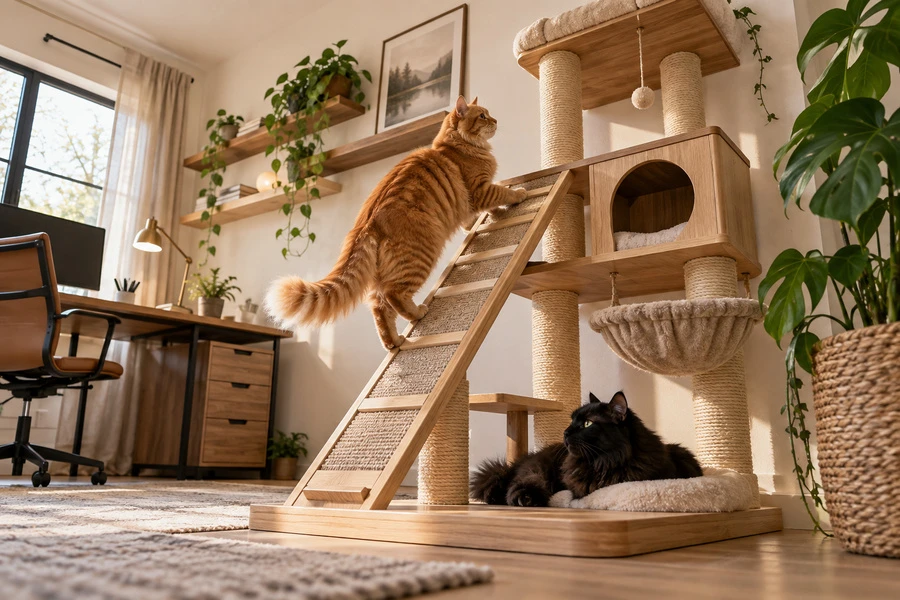
Choosing indoor cat furniture for active play is easier when the decision begins with real routines instead of a showroom impression or a single specification. The indoor cat furniture for climbing gives that decision a practical center because it combines durable wood construction designed for everyday climbing and lounging with the everyday benefit of combining climbing, scratching, resting, and observation in one structure. That balance matters when a product needs to look appropriate, feel intuitive, and continue earning its place after the novelty disappears. Rather than treating one feature as the whole story, it helps to consider how setup, use, storage, and comfort connect across an ordinary week. This perspective makes the purchase less about collecting another object and more about building a smoother experience around daily climbing.
What Indoor Cat Furniture for Climbing Changes in Daily Use
Start with the physical and practical context, because even a strong product can feel inconvenient when it is placed or configured without enough thought. An integrated scratcher post that gives claws an appropriate surface, which means the surrounding setup should leave room for comfortable access and natural use. In practice, that often involves measuring the available area, considering nearby furniture or equipment, and deciding which functions need to remain reachable every day. The goal is not to create a showroom arrangement, but to support creating a dedicated place that can redirect attention from household furniture in a way that survives ordinary household habits. A useful reference point is the vertical cat territory, since the product page shows the features that should shape those placement decisions.
The Details That Shape the Experience
Materials and construction influence more than appearance because they affect touch, stability, maintenance, and the way a product ages within a familiar setting. A multi-tier layout created specifically with larger cats in mind, adding a functional reason to notice the design instead of treating it as decoration. The best match will depend on whether the owner values portability, a substantial feel, easy repositioning, or a visual texture that complements the rest of the space. It also helps to think about how surfaces will be handled, cleaned, and exposed during repeated afternoon naps. These questions make the cat lounging tower easier to evaluate as an everyday object rather than a product viewed only through promotional photography.
Why Indoor Cat Furniture for Climbing Works for Active Play
Style matters most when it supports the room or routine instead of competing with it, and that makes context more important than following a single design trend. Durable wood construction designed for everyday climbing and lounging, allowing the product to contribute a clear visual identity while remaining connected to practical use. Pairing it with quieter surrounding elements can make the materials or silhouette feel intentional, while a more expressive setting can use the same piece as a focal point. Either approach works better when color, scale, and nearby textures are considered together rather than separately. The sturdy cat furniture can therefore be judged not only by what it does, but by how naturally it supports giving indoor cats vertical territory without using more floor area than necessary.
Planning Around Indoor Cat Furniture for Climbing
Comfort is often the feature people notice first, but useful comfort comes from a combination of dimensions, controls, surfaces, and the way the product supports natural movement. Four spacious tiers that provide different heights and resting choices, giving users a concrete feature to weigh against their own habits and expectations. A household that prioritizes multi-level play may appreciate that differently from one centered on daily climbing, yet both should consider whether the product reduces unnecessary effort. Small ergonomic advantages become more meaningful when they repeat across many ordinary uses without demanding extra attention. Over time, that consistency can support adding structured enrichment to an indoor cat routine, which is usually more valuable than a dramatic feature that rarely gets used.
A More Thoughtful Ownership Routine
Long-term value usually comes from versatility rather than a single impressive moment, especially when a product can serve several situations without becoming awkward or overly specialized. Moving between daily climbing, scratching, and multi-level play gives the purchase more opportunities to justify the space, attention, or budget devoted to it. That flexibility is strongest when the core features remain easy to understand and the product does not require a complicated reset between uses. People often appreciate this type of design more after several months, when small conveniences have become part of the household rhythm. In that context, the product can be evaluated as a durable contributor to supporting active play followed by elevated rest rather than a one-purpose upgrade.
Getting More Value from Indoor Cat Furniture for Climbing
The final test is whether the product continues to make sense after the first impression fades and ordinary habits take over. By then, owners can judge how well it supports daily climbing, how naturally it fits around afternoon naps, and whether the promised convenience remains useful. The indoor cat furniture for climbing is strongest when its practical features match those real priorities instead of forcing a routine to bend around the product. That is why dimensions, materials, controls, capacity, and care requirements deserve attention before purchase rather than after delivery. A thoughtful choice can then become part of everyday life for the right reasons, supporting giving indoor cats vertical territory without using more floor area than necessary with less friction and more confidence.