Thirty-One Minutes Aloft: Making the Most of a Long Flight Time Drone
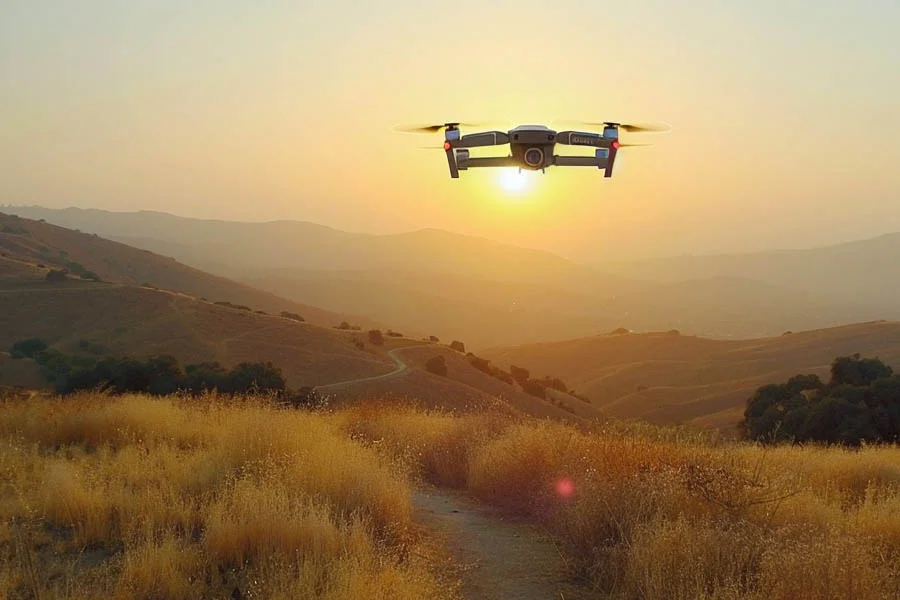
Few moments frustrate drone pilots more than a low-battery warning just as the light turns golden. Short flights force rushed compositions and frequent landings that break creative momentum. A long flight time drone changes that rhythm, giving you room to scout, frame, and refine each shot. More time aloft also means more opportunities to wait for clouds, wildlife, or perfect light. Advertised figures, however, rarely match real conditions exactly. Wind, temperature, and flying style all affect how long a battery truly lasts. This article explains how to interpret flight time claims and plan sessions wisely. It references a Hasselblad-equipped drone with up to 31 minutes per battery, identified in the listing as the Mavic 2 Pro. Essential US regulations appear throughout. Every extra minute counts when you know how to use it.
What Long Flight Time Drone Specs Really Mean
Manufacturers measure flight time under ideal conditions, usually cruising gently without wind. Real drone battery life often runs several minutes shorter once you factor in climbing, wind, and aggressive maneuvers. This model advertises up to 31 minutes, a generous figure for a folding camera drone. Plan for roughly twenty to twenty-five usable minutes, keeping a safe reserve for landing. Cold weather reduces battery performance, so keep packs warm before flights in winter. Hot conditions can also stress batteries, especially during repeated charging cycles. Return-to-home warnings activate when charge drops near the minimum needed. Treat those alerts seriously rather than squeezing out one more shot. Realistic expectations prevent lost aircraft. Every flight should end with a calm landing.
Range Versus Reality
Transmission range numbers sound thrilling, yet practical limits are much shorter. This model’s OcuSync 2.0 system offers up to 8 kilometers of video transmission under ideal conditions. Actual drone range depends on interference, obstacles, terrain, and local regulations. Buildings, trees, and hills block signals far sooner than open countryside. More importantly, US rules require keeping the drone within your visual line of sight. That legal limit usually falls well under a kilometer for a compact aircraft. Strong transmission still matters, providing a stable live feed and reliable control nearby. Automatic frequency switching reduces dropouts in crowded radio environments. Think of long range as a safety margin rather than a goal. Staying close keeps flights legal and safe.
Planning Flights with a Long Flight Time Drone
Planning transforms extra minutes into better results. Scout locations on maps beforehand, identifying takeoff spots, obstacles, and restricted airspace. Check weather for wind speed at altitude, which often exceeds ground-level readings. A long flight time drone allows you to capture video, stills, and panoramas in a single session. Organize shots in a logical sequence to avoid wasting battery on repeated travel. Begin with the most important composition while the battery is fresh. Bring two or three fully charged batteries for longer outings. Store batteries at partial charge between trips to protect their lifespan. Older models may have limited spare battery availability, so secure extras early. Thoughtful planning multiplies creative output.
Registering Before You Fly
Legal compliance begins before your first takeoff in the United States. Drones weighing more than 250 grams require FAA drone registration, and this model exceeds that threshold. Registration happens online through the FAA DroneZone and costs only a few dollars. Display your registration number on the aircraft’s exterior where it can be seen. Recreational pilots must also pass the free TRUST safety test before flying. Remote ID broadcasting is required for registered drones operating in US airspace. Firmware updates added Remote ID support to this model, so install them before flying. Check airspace authorizations near airports using approved apps. Carry proof of registration and certification during every flight. Compliance protects you and the wider flying community.
Flying a Long Flight Time Drone for Work
Extended flight time makes this aircraft attractive for paid projects. Real estate, construction progress, events, and tourism marketing all benefit from aerial imagery. Any commercial flight in the United States requires a Part 107 license, officially called a remote pilot certificate. Earning it involves studying airspace, weather, and regulations before passing a knowledge test. Certified pilots must follow operating rules, including altitude limits and visual line of sight. Longer flights reduce battery swaps, keeping shoots efficient and clients satisfied. The 1-inch Hasselblad camera delivers image quality suitable for professional deliverables. Omnidirectional obstacle sensing adds safety around structures. Insurance is wise for commercial work, protecting against accidents. Professionalism builds lasting client relationships.
Choosing a Long Flight Time Drone
Start by comparing realistic flight times rather than headline figures alone. Consider battery availability, charging speed, and how many spares you will need. Evaluate camera quality, since longer flights matter most when images are worth capturing. This model pairs up to 31 minutes of flight with a Hasselblad camera and 1-inch sensor. OcuSync 2.0 transmission and omnidirectional sensing support confident, safe operation. Factor in registration, Remote ID setup, and any certification your flying requires. Check accessory availability carefully for older models before committing. Practice in open areas to learn how flight time changes with wind and maneuvers. To review specifications and included items, check the full listing before deciding. More time in the air means more stories to tell.