Goodbye, Scoop: Life After a Self Cleaning Litter Box Arrives
Scooping the litter box ranks among the least glamorous parts of loving a cat. It happens daily, sometimes twice, and skipping it quickly makes the whole home smell. A self cleaning litter box takes over that routine, sifting waste automatically after each visit. Owners suddenly find themselves with cleaner air, fewer chores, and happier cats. The technology has matured considerably, adding app monitoring, odor control, and multiple safety sensors. Still, these machines differ from traditional boxes in size, setup, and maintenance. This article explains how they work and what real owners wish they had known earlier. It references a smart unit with weight sensors, enzyme-based deodorization, and up to ten days of waste capacity. Honest reviewer feedback covers both strengths and quirks. Your daily scooping days may be numbered.
How a Self Cleaning Litter Box Works
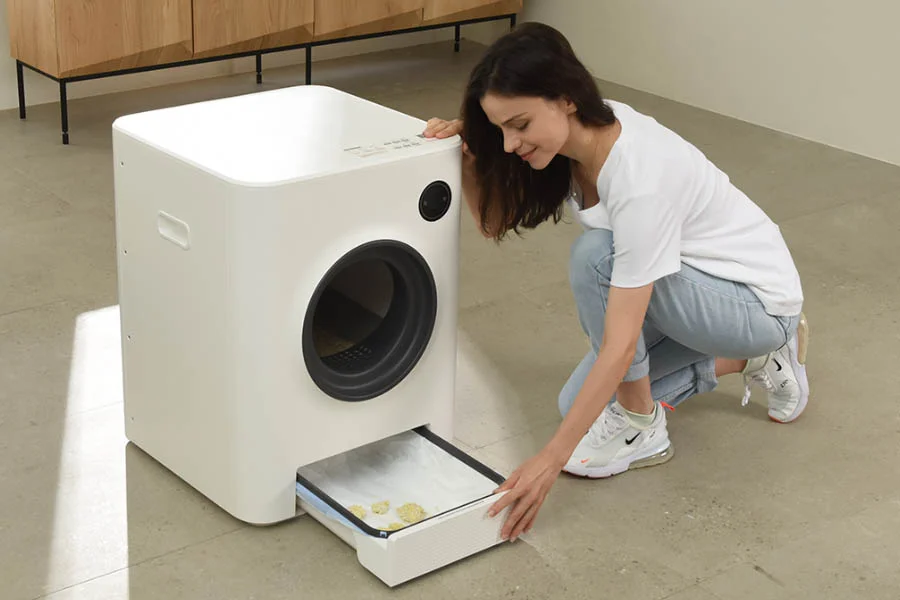
Most automated designs rely on a rotating drum or sifting mechanism that separates clumps from clean litter. After your cat leaves, a timer waits briefly, then the cleaning cycle begins. The drum turns slowly, filtering waste into a sealed drawer below. Clean litter returns to the bowl, ready for the next visit. Any automatic litter box worth owning also includes sensors that pause cleaning if a cat approaches. This model uses four weight sensors to detect when a cat is inside or nearby. App control lets you start cycles remotely, adjust delays, and check usage history. One owner described the unit as resembling a compact washing machine in size. Another said it cleans after each use, leaving only weekly bag changes. Automation handles the unpleasant part reliably.
Litter and Liners That Fit
Automated systems depend on the right litter to function properly. Quality clumping cat litter forms solid balls that the mechanism can separate cleanly from loose granules. Non-clumping or crystal litters may not sift correctly in drum designs. Owners report this unit handles urine and feces well with standard clumping varieties. Fill to the indicated line, since overfilling strains the motor and underfilling leaves clumps sticking to the base. Low-dust formulas keep sensors cleaner and air fresher. Unscented options often suit sensitive cats better than heavily perfumed blends. One reviewer even used a specialty health-monitoring litter successfully. Check the manual for any litter restrictions before switching brands. The right litter keeps everything running smoothly.
Safety Inside a Self Cleaning Litter Box
Cat safety must come first with any motorized pet product. Weight sensors detect when a cat enters, preventing cleaning cycles from starting while it is inside. This model includes four such sensors, which the listing describes as four-fold protection. One owner specifically chose it because cheaper alternatives lacked motion detection that halts operation. A self cleaning litter box should also pause automatically if a cat returns during a cycle. Very small kittens may weigh too little to trigger sensors reliably, so use manual mode until they grow. Test the safety features yourself before trusting the automatic schedule completely. Remove packing foam and shipping inserts from the drum before first use, as one reviewer advised. Keep the area around the entrance clear so cats enter and exit easily. Peace of mind depends on careful setup.
Emptying the Drawer
Waste collects in a sealed drawer that holds up to about ten days of use for a single cat. Lining the drawer with litter box liners or bags makes emptying quick and hygienic. One owner found that ordinary kitchen drawstring bags fit the drawer perfectly. Another struggled initially to find well-fitting liners, so test a few options early. Waste sometimes accumulates on one side, according to two reviewers, requiring an occasional shake to level it. Check the drawer periodically, since sensors may not always detect uneven buildup. Tie bags securely before carrying them outside to contain odors. Wipe the drawer with mild soap during monthly deep cleans. Multiple cats fill the drawer faster, so empty it more often in busier homes. Simple habits keep the system fresh.
Trips Away with a Self Cleaning Litter Box
Weekend trips once meant arranging a sitter just to scoop litter daily. Automatic cleaning makes leaving cats home alone for short periods more manageable, alongside food and water planning. One reviewer said the unit handled short trips beautifully, bringing real peace of mind. Another left it unattended for three weeks during a busy holiday season and barely noticed any smell. App notifications let you monitor usage from anywhere, flagging potential problems early. Pair the litter system with automatic feeders and fountains for complete coverage. Still, cats need human check-ins for health and companionship during longer absences. Ask a neighbor to visit if you will be gone more than a couple of days. Empty the drawer and refill litter right before leaving. Preparation makes travel stress-free.
Is a Self Cleaning Litter Box Worth It?
Busy owners, frequent travelers, and people sensitive to odors gain the most from automation. Single small or medium cats usually adapt quickly, sometimes within the first day. Some cats take longer, and one owner reported a three-week adjustment period. Very large cats may struggle with the entrance, as one owner with 21-pound cats discovered. Space matters too, since the unit takes up noticeably more room than a standard box. The app connects only to 2.4GHz WiFi networks, so check your router settings first. This model holds a 5.0 rating across 11 reviews, with owners praising convenience and odor control. Several mention that customer support resolved setup questions quickly. To review dimensions and features, see the litter box in detail before ordering. Your cat and your nose may both thank you.