What Most Hosts Get Wrong About Their Dining Room Chandelier
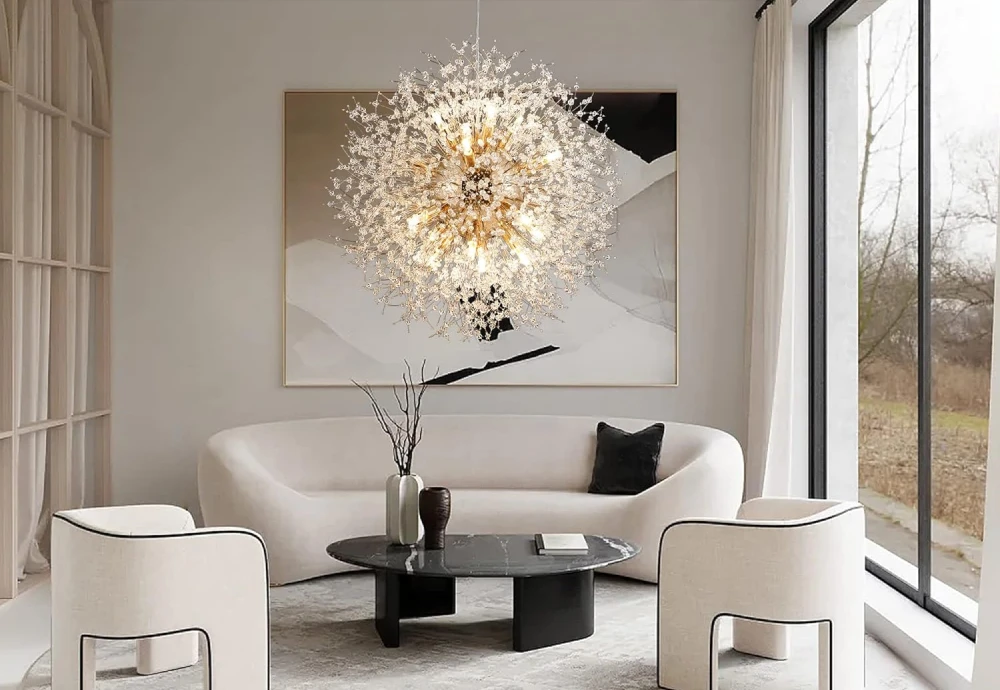
Hosts spend weeks choosing chairs, linens, and dinnerware, then treat the ceiling as an afterthought. That oversight shows the moment guests sit down. A dining room chandelier shapes the mood of a meal more than almost any other object in the room. When it is too small, the space feels unfinished and slightly cold. When it hangs too low, conversation turns into peering around crystals. Most problems come from a handful of predictable mistakes rather than poor taste. Fortunately, each one has a simple fix that requires a tape measure, not a design degree. This article walks through those errors one at a time. You will see how scale, height, shape, and light quality work together. With those principles in mind, an elegant fixture can finally look the way it did online.
Why the Dining Room Chandelier Sets the Tone
Lighting carries emotional weight that furniture alone cannot match. A table under harsh overhead light feels like a cafeteria, regardless of the china. Soft, layered light, on the other hand, invites guests to slow down and stay longer. Your dining room chandelier acts as the visual anchor that ties every other element together. It also signals style, whether that means classic glamour or relaxed modern elegance. Designers often choose the dining room light fixture before selecting paint colors. That order makes sense, because the fixture influences how every color reads after dark. Crystal designs add another layer by scattering light into gentle reflections. Those reflections make a room feel larger and more festive without extra lamps. Treat the ceiling as the starting point, and the rest of the decisions become easier.
The Scale Mistake
Undersized fixtures are the most common error in dining rooms everywhere. A small light over a long table looks like an afterthought, even when the design is lovely. Many decorators suggest a width between one-half and two-thirds of the table width. Another quick method adds the room length and width in feet, then reads that sum in inches. A twelve-by-fourteen room, for example, suggests a fixture around 26 inches wide. Long tables often call for a linear chandelier or a pair of matching pendants. Round tables, by contrast, pair naturally with circular or branching silhouettes. Visual weight also matters, since open branch designs look lighter than solid drums. A generous open design can therefore exceed the usual guideline without overwhelming the room. Measure twice, then compare those numbers against the product dimensions before buying.
Hanging a Dining Room Chandelier at the Wrong Height
Height errors usually swing in two directions, and both cause problems. Fixtures mounted too high float above the table and lose their connection to it. Lights hung too low block faces and make tall guests duck when they stand. The common recommendation is about 30 to 36 inches between tabletop and fixture bottom. For ceilings above eight feet, many designers add roughly three inches per extra foot. Rooms that call for high ceiling lights may need longer chains or adjustable rods. Check whether your dining room chandelier includes adjustable suspension before installation day. An electrician can trim or extend hardware to land on the right height. Sit at the table afterward and look across it at eye level. If you can see every guest comfortably, the height is correct.
Matching Shape to Table
Shape harmony is subtle, yet guests feel it even when they cannot name it. Rectangular tables look balanced under elongated fixtures that echo their proportions. A rectangular crystal chandelier stretches sparkle along the full length of the meal. Round and square tables, meanwhile, suit fixtures with a centered, radiating form. Branch designs work especially well here because their arms reach outward evenly. Consider the chairs as well, since curved backs soften angular lighting choices. Mixing shapes can work, but it should look intentional rather than accidental. Repeating one curve or one metal finish ties contrasting forms together. Take a photo of the room and sketch the fixture outline over it. That quick exercise often reveals whether the pairing feels right before any purchase.
Light Quality and the Dining Room Chandelier
Even a perfectly sized fixture disappoints when the light itself feels wrong. Bulbs with a warm color temperature, around 2700K, flatter skin and food. Cooler bulbs can make a dinner table feel clinical and slightly harsh. Brightness matters too, because a dining room needs ambiance more than task lighting. Layering helps, so add wall sconces or a buffet lamp for balance. A dining room chandelier with crystals multiplies whatever light it receives. That multiplication means you can often choose lower wattage without losing sparkle. If dimming matters to you, confirm compatibility in the product specifications first. Not every fixture works with every dimmer switch, so checking saves frustration. Good light quality turns an attractive fixture into an atmosphere guests remember. A useful companion read is our article on how finish and silhouette shape the look.
A Better Dining Room Chandelier Starts Here
Avoiding these mistakes is easier when the fixture itself is well designed. Majesticor offers an elegant Art Deco-inspired crystal branch design created for dining spaces. Its open arms and crystal accents suit both rectangular and round tables. The silhouette feels luxurious without the heavy, dated look of older tiered styles. Review the listed dimensions against your table, ceiling, and room size before ordering. Plan the installation with a licensed electrician for safety and a secure mount. Then choose warm bulbs and set the height with a quick test at the table. A thoughtfully chosen dining room chandelier rewards that care every single evening. Holiday dinners, birthdays, and quiet Tuesdays all look better beneath it. Getting the details right is what separates a nice room from a memorable one. Our piece on layering light around the table picks up where this section leaves off.









Leave a comment
You must be logged in to post a comment.