Dining Room Lighting That Makes Weeknight Dinners Feel Like Occasions
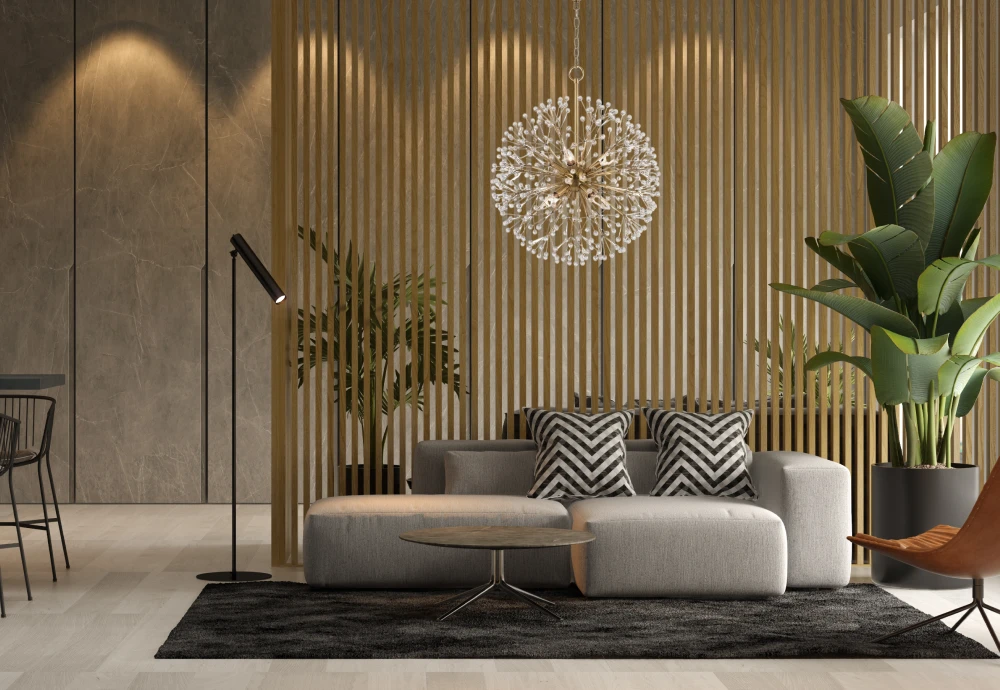
Most weeknight dinners happen under the same light used for homework, bills, and folding laundry. That practical glow does its job, but it rarely makes a meal feel special. Thoughtful dining room lighting changes the experience without changing the menu. Warm, layered light encourages people to linger, talk, and actually put their phones down. A beautiful centerpiece fixture also gives the room a sense of purpose and identity. The good news is that better lighting rarely requires a major renovation. A well-chosen chandelier, a few supporting sources, and the right bulbs usually suffice. This article breaks down how those pieces work together in real homes. You will learn about layers, ceiling heights, and the details designers rarely skip. By the end, even a Tuesday pasta night could feel like an occasion.
Why Dining Room Lighting Matters More Than You Think
Lighting influences appetite, conversation, and even how long guests stay at the table. Bright, flat light tends to rush a meal, while softer light slows everyone down. Good dining room lighting also flatters faces, food, and tableware at once. Designers treat this room differently from kitchens, which need strong task illumination. The dining area benefits from mood first and function second. That shift in priorities explains why chandeliers remain the classic choice here. Their spread of light creates an intimacy that recessed fixtures simply cannot imitate. Many homeowners also coordinate with their kitchen island lighting for a cohesive look. When both spaces share finishes, an open floor plan feels intentional rather than random. Small decisions like these add up to a home that feels thoughtfully designed.
The Three Layers of Light
Professional designers think about light in three layers rather than one fixture. Ambient light provides the general glow that fills the room evenly. Task light handles specific jobs, such as carving a roast or serving dessert. Accent light highlights artwork, shelving, or architectural details for added depth. In dining spaces, the chandelier often handles ambient and accent duties together. Crystal fixtures excel here because they scatter light into sparkling highlights. An efficient LED chandelier can also reduce energy use while keeping the glow warm. Wall sconces or a buffet lamp then fill any shadows near the edges. Together, these layers prevent dark corners and harsh contrasts. A balanced room feels comfortable for both quiet dinners and lively celebrations.
Dining Room Lighting Starts with the Centerpiece
Every successful scheme begins with the fixture hanging above the table. Its size, shape, and finish set the rules that other sources follow. Strong dining room lighting often relies on a centerpiece with real visual presence. Branching crystal designs work especially well because they combine sculpture and sparkle. They look elegant when lit and remain attractive even when switched off. Before choosing, measure the table and aim for roughly half to two-thirds of its width. A pendant chandelier can suit smaller tables or narrow rooms effectively. Larger tables usually benefit from a fuller fixture with outward-reaching arms. Consider the metal finish alongside existing hardware and furniture tones. Once the centerpiece is right, supporting lights fall into place naturally.
Matching Fixtures Across Open Spaces
Open floor plans create a special challenge for anyone planning light. The dining area must feel distinct while still connecting to kitchen and living spaces. One approach repeats a single metal finish across every visible fixture. Another repeats a shape, such as curved arms or rounded glass. Crystal can serve as the common thread when used with restraint. Center the chandelier over the table rather than the entire room. That placement defines the eating zone and gives it a clear boundary. Rugs reinforce the effect by marking the same footprint on the floor. Avoid mixing too many styles, since competing fixtures create visual noise. A cohesive plan lets each area shine without fighting for attention. To see this in practice, read our article on avoiding common height and scale errors.
Dining Room Lighting for Different Ceiling Heights
Ceiling height determines which fixtures work and where they should hang. Standard eight-foot ceilings typically put the fixture bottom around 30 inches above the table. Taller ceilings allow a few extra inches for each additional foot of height. Very low ceilings may need a flush mount crystal chandelier to preserve clearance. Vaulted ceilings, meanwhile, benefit from adjustable chains or longer rods. Good dining room lighting adapts to the architecture instead of fighting it. Sit at the table after installation and check the sight lines across it. Guests should see each other easily without the fixture blocking faces. If something feels off, adjusting the height is usually a quick job. These small refinements often matter more than the price tag.
Finishing Touches for Dining Room Lighting
Details complete the picture once the main fixture is installed. Warm white bulbs around 2700K create the most flattering dinner atmosphere. Dimmers add flexibility, but confirm compatibility with your chosen fixture first. Clean crystals regularly so their sparkle never fades into dullness. Majesticor offers an elegant Art Deco-inspired crystal branch chandelier designed for dining rooms. Its open arms and crystal accents bring both glamour and balance to the table. Check the product page for dimensions and installation details before ordering. A licensed electrician should handle mounting for safety and secure support. With these steps complete, your dining room lighting will feel finished and inviting. Weeknight dinners may never feel ordinary again. If this topic interests you, our article on how crystal scatters light across a room is a natural next step.









Leave a comment
You must be logged in to post a comment.