What a Self Cleaning Litter Box Teaches Busy Cat Owners
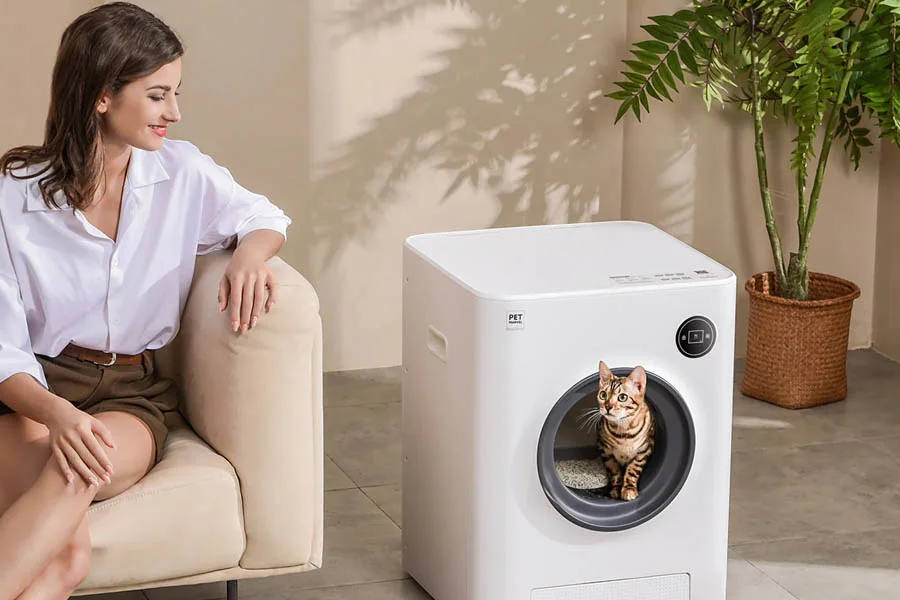
Busy cat owners know the guilt of forgetting to scoop until the smell reminds them. Work, travel, and family life make daily litter duty easy to postpone. A self cleaning litter box removes that pressure by handling waste on a schedule. It keeps the box fresher between visits without waiting for you to remember. Cats appreciate the cleanliness, and owners appreciate the reclaimed time. Still, these devices have quirks worth understanding before you buy one. This article explains what they actually clean and what still requires your attention. You will learn about litter choices, costs, design styles, and common mistakes. Each section offers practical lessons drawn from everyday cat care. By the end, you will know whether the switch suits your household.
What a Self Cleaning Litter Box Actually Cleans
The name suggests total automation, but the reality is more nuanced. A self cleaning litter box removes clumps of waste after each visit. It does not wash the tray, replace litter, or eliminate every odor. Waste typically drops into a compartment that you empty every few days. Many owners pair the device with a sealed waste bin to contain smells further. Litter still needs topping up and periodic full replacement. Occasional wiping keeps the interior hygienic and fresh. Loose litter tracked outside the box still requires sweeping. Understanding these limits prevents unrealistic expectations. The device handles the worst part of the job, which is often enough.
Choosing the Right Litter
Litter choice affects performance more than many new owners expect. Clumping clay litter forms solid clumps that rakes and sifters separate easily. Soft or crumbly clumps can break apart and clog mechanisms. Some systems rely on crystal litter, which absorbs moisture and controls odor differently. Check the manufacturer’s recommendations before switching litter types. Low-dust formulas protect both your cat’s lungs and the device’s sensors. Unscented options suit cats who dislike strong fragrances. Avoid pellets or pine litter unless the model specifically supports them. Transition gradually by mixing old and new litter over a week. The right litter keeps cleaning cycles smooth and reliable.
Is a Self Cleaning Litter Box Worth the Price?
Automated boxes cost more upfront than simple plastic trays. Value depends on how you weigh time, convenience, and cleanliness. A self cleaning litter box saves several minutes every day, adding up to hours each month. Litter often lasts longer because only waste is removed. Odor control improves, which matters in apartments and smaller homes. Ongoing costs include waste bags, filters, and occasional replacement parts. Owners who travel frequently gain peace of mind from cleaner conditions. Multi-cat households often see the biggest return on investment. Consider your schedule and tolerance for scooping before deciding. For many owners, the time saved justifies the cost quickly. For more detail, see our article on what connected sensors can track.
Design Styles and Your Cat’s Comfort
Cats have strong preferences about where and how they relieve themselves. Covered designs offer privacy and contain litter scatter effectively. An open top litter box suits cats who feel nervous in enclosed spaces. Entrance height matters for kittens, seniors, and cats with arthritis. Interior space should allow your cat to turn around comfortably. Noise levels vary, and sensitive cats may avoid loud mechanisms. Placement in a quiet, low-traffic area encourages consistent use. Avoid putting the box near food and water bowls. Watch your cat’s body language during the first few weeks. Comfort determines whether the investment actually gets used.
Mistakes to Avoid with a Self Cleaning Litter Box
Several common errors cause frustration with automated litter systems. Rushing the introduction can make cats wary of the new box. Using the wrong litter often leads to jams and incomplete cleaning. Letting the waste drawer overflow defeats the purpose of automation. A self cleaning litter box also struggles on uneven floors or soft carpets. Skipping full litter changes allows odors to build up gradually. Ignoring sensor cleaning can cause missed or mistimed cycles. Some owners forget to buy litter liners or bags before running out. Turning off safety features to speed cleaning is never a good idea. Avoiding these mistakes keeps the system reliable for years.
Bringing Home a Self Cleaning Litter Box
The right device matches your cat’s habits and your household routine. Majesticor offers an automatic cat litter box with a built-in waste collector designed for easier care. It aims to keep litter fresher while reducing daily scooping duties. Review the product page for dimensions, compatible litter, and safety details before ordering. Plan a quiet spot with level flooring and enough room for the drawer. Introduce the box gradually alongside your cat’s current setup. A self cleaning litter box rewards patience during the first few weeks. Afterward, the daily chore fades into an occasional, quick task. Your cat enjoys a cleaner space, and you enjoy fewer reminders. That balance makes everyday life with cats a little easier. Readers who want to go further can explore our piece on helping your cat adjust.









Leave a comment
You must be logged in to post a comment.