The Smart Litter Box and the Quiet Data It Keeps on Your Cat
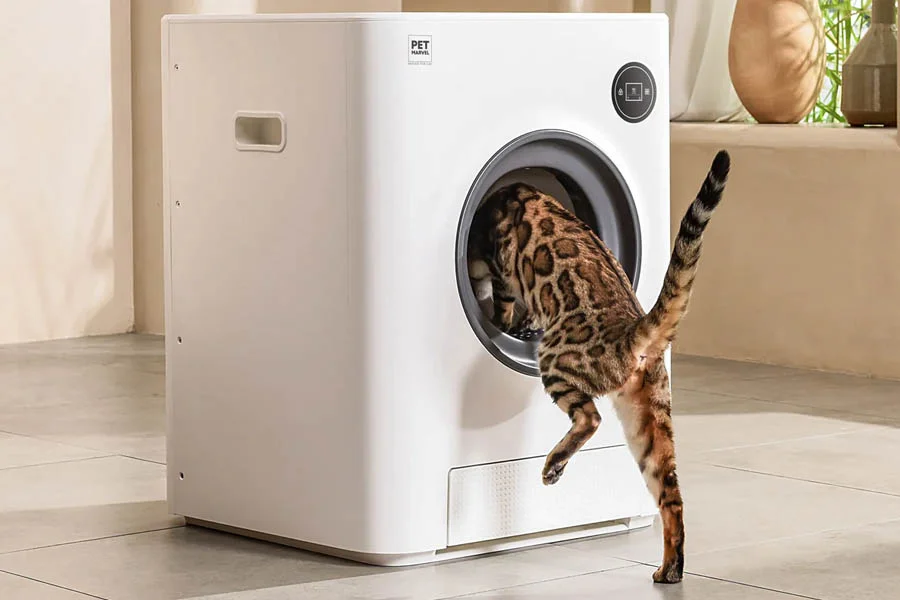
Cats are famously good at hiding discomfort, which makes early health changes hard to spot. Bathroom habits often reveal problems before other symptoms appear. A smart litter box quietly records those habits while handling cleanup automatically. Visit counts, timing, and sometimes weight become useful clues for attentive owners. The technology also removes daily scooping from your routine. Together, these benefits combine convenience with genuine peace of mind. This article explains what makes these devices smart and how to use their data. You will learn about setup, privacy, noise, and realistic limitations. Buying advice helps you match features to your cat and household. The quiet data your cat leaves behind may prove surprisingly valuable.
What Makes a Smart Litter Box Smart
Basic automatic boxes clean on a timer after each visit. A smart litter box adds sensors, connectivity, and software to that foundation. Weight sensors detect when a cat enters and leaves the box. Some models identify individual cats in multi-cat homes by weight differences. A wifi litter box sends notifications to your phone when drawers fill. Apps display visit histories, cleaning logs, and maintenance reminders. Scheduling tools let you pause cleaning during certain hours. Quiet hours prevent motors from startling cats or waking light sleepers at night. Firmware updates can improve features over time. These capabilities turn a simple appliance into a monitoring tool. The result is convenience combined with useful insight.
Health Clues Hidden in Litter Habits
Changes in bathroom behavior often signal health issues early. Frequent visits with little output may indicate urinary problems. Fewer visits than usual can suggest constipation or dehydration. Sudden weight loss deserves prompt attention from a veterinarian. A health counter makes these trends easier to notice over days and weeks. Urinary blockages in male cats are emergencies requiring immediate care. Diabetes and kidney disease can increase urination noticeably. Stress and environmental changes also affect litter habits. Moving homes, new pets, or loud renovations can all disrupt normal routines. Data never replaces a professional diagnosis, but it supports better conversations with your vet. Paying attention to patterns can make a real difference.
Setting Up a Smart Litter Box
Setup usually takes less than an hour with careful preparation. Choose a quiet, level spot near a power outlet and within Wi-Fi range. Assemble the unit and fill it with the recommended litter type. Download the companion app and connect the device following on-screen steps. Your smart litter box may ask for each cat’s name and approximate weight. Leave automatic cleaning off during the first few days of introduction. Keep the old box nearby until your cat uses the new one consistently. Test notifications to confirm alerts reach your phone. Adjust cleaning delays so cycles never start too soon after visits. Careful setup builds trust between your cat and the new device. A useful companion read is our article on what these machines actually clean.
Noise, Privacy, and Data
Sound matters, since loud motors can frighten sensitive cats. Look for quiet operation if the box sits near bedrooms or living spaces. Schedule cleaning during the day if nighttime noise bothers anyone. Covered designs give cats privacy, while open designs suit nervous cats. Data privacy deserves attention whenever devices connect to the internet. Review the app’s privacy policy and data storage practices. Use strong passwords and keep firmware updated for security. Disable features you do not need to limit data collection. Families sharing access should agree on notification settings. Thoughtful choices keep technology helpful rather than intrusive.
Smart Litter Box Limits Worth Knowing
Even advanced devices have limitations that owners should understand. A smart litter box cannot diagnose illness or replace veterinary exams. Weight readings may vary with litter levels or cat movement. Cats of similar weight can be difficult for sensors to tell apart. Connectivity problems may delay notifications or sync data incorrectly. Mechanical parts still require cleaning and occasional replacement. Some owners prefer a smart robot litter box with more sensors, though complexity rises with features. Power outages can interrupt cleaning schedules until service returns. Manual checks remain valuable, especially when something seems unusual. Understanding limits keeps expectations realistic and cats safe.
Choosing a Smart Litter Box
The right choice depends on how much data and automation you actually want. Some owners value detailed apps, while others simply want hands-off cleaning. Majesticor offers an automatic cat litter box with a built-in waste collector for easier everyday care. Review the product page to confirm which sensors, controls, and connectivity features it includes. Measure the space and check power access before ordering. Consider your cat’s size, temperament, and comfort with new objects. A smart litter box that fits these needs becomes a quiet daily helper. Cleaner litter and fewer chores improve life for everyone at home. Watching habits closely supports your cat’s long-term health. Small insights often lead to happier, healthier pets. Our piece on odor warning signs worth watching picks up where this section leaves off.









Leave a comment
You must be logged in to post a comment.