Why Litter Box Odor Lingers and How to Finally Stop It
Guests should notice your home, not your cat’s bathroom habits. Yet many owners struggle with smells that seem to return no matter what they try. Litter box odor usually has clear causes, even when the solution feels elusive. Waste chemistry, litter choice, cleaning frequency, and airflow all play roles. Addressing each factor produces far better results than masking scents with sprays. Cats benefit too, since they dislike strong smells even more than people do. This article explains why odors linger and how to stop them effectively. You will learn about litter types, cleaning habits, placement, and health warning signs. Automation tips round out the strategies for busy households. A fresher home is easier to achieve than you might think.
Where Litter Box Odor Really Comes From
Cat urine contains urea, which bacteria break down into sharp-smelling ammonia. The longer waste sits, the stronger that ammonia smell becomes. Litter box odor also comes from feces, especially with certain diets. Plastic boxes develop scratches that trap bacteria and residue over time. Damp litter encourages bacterial growth and accelerates smell production. Covered boxes concentrate odors inside, which can deter cats from entering. Poor ventilation lets smells spread into nearby rooms. Carpets and upholstery near the box can absorb those smells over time. Effective odor control targets these sources rather than simply hiding them. Understanding the chemistry explains why frequent removal matters so much. Fresh air begins with prompt waste management.
Litter Choices That Fight Smells
Not all litter handles odor equally well. Clumping clay traps urine in solid clumps that are easy to remove. Activated charcoal additives absorb odors at the molecular level. Silica crystals soak up moisture and lock away smells effectively. Plant-based options like corn or wheat offer natural odor control for some cats. Heavily scented cat litter can bother cats and may cause avoidance. Unscented formulas with odor absorbers usually work better for sensitive noses. Keep litter depth around two to three inches for best performance. Switch types gradually, mixing old and new over about a week. The right litter dramatically reduces daily smells.
Cleaning Habits That Stop Litter Box Odor
Frequent scooping is the single most effective odor strategy. Remove waste at least once daily, ideally twice in multi-cat homes. Replace all litter every two to four weeks, depending on usage. Wash the box with mild, unscented soap and warm water during full changes. Avoid bleach and ammonia cleaners, which can deter cats or create harmful fumes. Habits that stop litter box odor also include drying the box completely. A washable liner makes full changes faster and protects the plastic. Replace old boxes yearly if scratches hold persistent smells. Sweep scattered litter around the box to prevent tracked odors. Consistency matters far more than any single product.
Placement and Airflow
Location influences how smells spread through your home. Choose a well-ventilated area rather than a cramped closet. Avoid placing boxes next to heating vents, which can spread odors faster. Laundry rooms work if machines do not startle your cat. Bathrooms with exhaust fans help remove airborne smells quickly. Keep boxes away from kitchens and dining areas for hygiene. An air purifier with a carbon filter can reduce lingering odors nearby. Seal waste in garbage bags and take it outside promptly. Indoor trash cans holding litter waste quickly become secondary odor sources. Good placement and airflow make every other strategy work better.
When Litter Box Odor Signals a Health Issue
Sometimes a sudden change in smell points to a medical problem. Unusually strong urine odor can indicate urinary tract infections or kidney issues. Very foul stools may suggest digestive problems or dietary intolerance. Litter box odor that changes alongside behavior deserves extra attention. Increased urination may signal diabetes or kidney disease. Straining or crying in the box requires prompt veterinary care. Male cats with urinary blockages face true emergencies. Call your veterinarian immediately if a male cat strains without producing urine. Diet changes can also alter odor, so track food switches carefully. Never ignore persistent changes, even if your cat seems otherwise fine. Your veterinarian can identify causes that cleaning alone cannot solve. Our piece on how automation limits waste exposure picks up where this section leaves off.
Automation Against Litter Box Odor
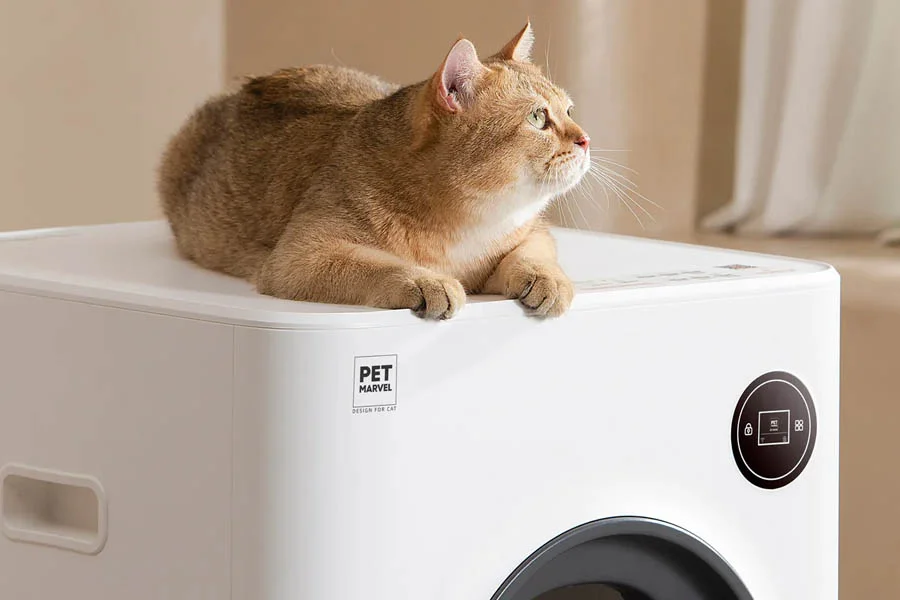
Automated boxes tackle odor at its source by removing waste quickly. Waste spends less time exposed, giving bacteria less opportunity to produce ammonia. Majesticor offers an automatic cat litter box with a built-in waste collector for cleaner daily routines. Its collector is designed to hold waste away from the main litter area, helping contain smells. Review the product page for capacity, compatible litter, and design details. Empty the collector regularly and refresh litter on schedule. Combined with good placement, automation keeps litter box odor under control. Guests notice fresh air instead of a hidden bathroom smell. Your cat enjoys a cleaner space that encourages consistent use. Fresh air, it turns out, is mostly about timing. To see this in practice, read our article on health clues hidden in litter habits.









Leave a comment
You must be logged in to post a comment.