Modular Sofa or Fixed L-Shape: Which Fits Your Life?
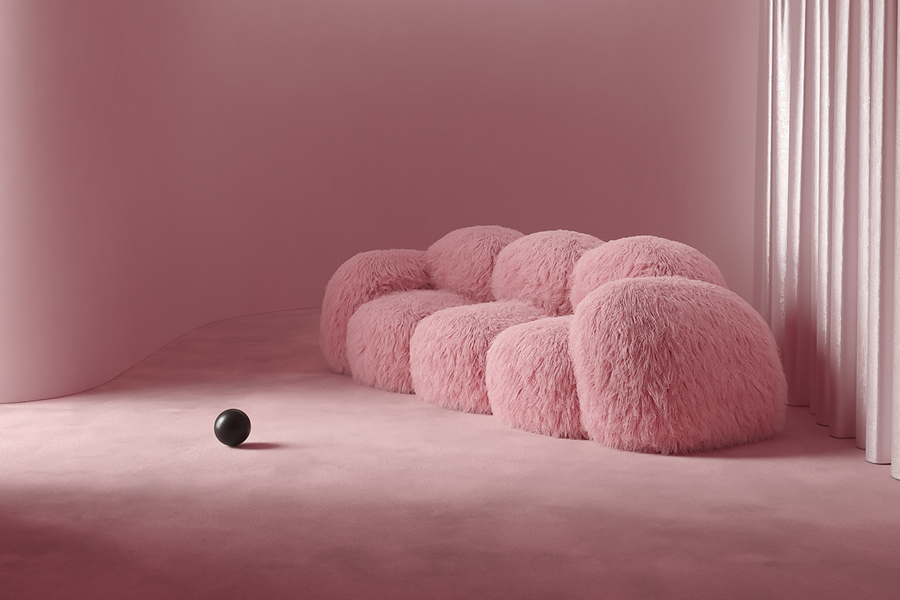
Seating decisions used to be simple, with sofas sold in a few standard shapes. Today, shoppers face a new question: rearrangeable sections or a fixed design. A modular sofa promises flexibility, letting you reconfigure pieces as life changes. Fixed L-shaped couches, by contrast, offer a cohesive look and solid, unified comfort. Each approach has genuine strengths and real trade-offs worth weighing. The right answer depends on your room, habits, and plans for the future. This article compares both options honestly and clearly. You will learn about flexibility, stability, comfort, and long-term value. Practical advice helps you match seating to your lifestyle. By the end, the choice should feel much clearer.
What a Modular Sofa Offers
Modular seating consists of individual sections that connect in different arrangements. A modular sofa can become an L-shape, a U-shape, or separate chairs. That flexibility suits renters and frequent movers who change spaces often. Families can add sections as households grow over time. Individual pieces fit through narrow doorways more easily than large single units. Some systems include ottomans that double as extra seats or footrests. A u-shaped modular sectional sofa can seat a crowd for gatherings. Rearranging sections refreshes a room without buying new furniture. Damaged sections can sometimes be replaced individually. Flexibility is the defining advantage of this approach.
The Case for a Fixed L-Shaped Couch
Fixed designs offer advantages that modular systems sometimes lack. Sections stay firmly connected, so gaps never open between cushions. The silhouette looks cohesive and intentional from every angle. Construction often feels more solid, with fewer connection points to loosen. Upholstery flows continuously, creating a polished, tailored appearance. Cushions also tend to line up perfectly, without small height differences between sections. Fixed couches typically require less adjustment during daily use. Households that rarely move or rearrange furniture benefit most. Some buyers seeking guest space prefer an l shape sofa bed with a pull-out mattress. Cleaning is simpler without clips, brackets, or separated pieces. Stability and style make fixed designs a timeless choice.
Modular Sofa Pros and Cons
Every seating style involves trade-offs worth understanding. Flexibility is the biggest strength of a modular sofa. Easier delivery through tight hallways is another practical benefit. Expandability lets you add seats as your household grows. On the downside, sections can shift apart during active use. Connectors may loosen over time and require periodic tightening. Matching additional pieces later can be difficult if fabrics are discontinued. Dye lots can also vary slightly between orders placed months apart. Prices sometimes run higher once several sections are combined. Visual seams between pieces may feel less polished to some eyes. Weighing these factors clarifies whether modularity fits your needs. Readers who want to go further can explore our piece on arranging a room around a corner couch.
Matching Seating to Your Lifestyle
Lifestyle often decides the question more clearly than style alone. Frequent movers benefit from flexible pieces that adapt to new rooms. Settled homeowners may prefer the solid feel of a fixed design. Families who host often need generous seating, such as a 6 seater sofa arrangement. Pet owners should consider how easily sections separate during play. Small apartments benefit from compact layouts that maximize corner space. Large family rooms, by contrast, can accommodate expansive configurations. Open-plan homes can use seating to define living zones. Think about how often you rearrange furniture in practice. Honest answers point toward the right choice. Matching seating to real life prevents regrets.
When a Modular Sofa Makes Sense
Certain situations clearly favor flexible seating. Renters who move every year or two benefit greatly from a modular sofa. Homes with narrow stairs or doorways make individual sections easier to deliver. Families expecting growth can start small and add sections later. Multipurpose rooms benefit from seating that can be split apart for events. Fans of large sectional sofas can build oversized layouts gradually over time. Creative people who enjoy rearranging rooms appreciate the freedom. Shared households can divide sections between rooms when needed. Evaluate how many of these scenarios apply to you. If several fit, flexibility may be worth the trade-offs.
Deciding Between a Modular Sofa and a Fixed Design
The final decision balances flexibility, stability, and personal taste. Majesticor offers a modern Nordic plush sofa chair designed as a luxury L-shaped living room couch. Its corner-friendly layout and plush cushions suit households that want a cohesive look. Review the product page to confirm whether its sections are fixed or separable. Check dimensions and materials against your room and delivery path. Nordic-inspired lines keep the design clean and modern in any living room. Choose a modular sofa if flexibility matters most, or a fixed design if stability and polish come first. Either way, plush seating and thoughtful sizing create lasting comfort. Your living room deserves seating that fits how you actually live. A clear decision today leads to years of enjoyment. A useful companion read is our article on what makes a couch last.









Leave a comment
You must be logged in to post a comment.