The Evaporative Humidifier and the Quiet Science of Comfortable Air
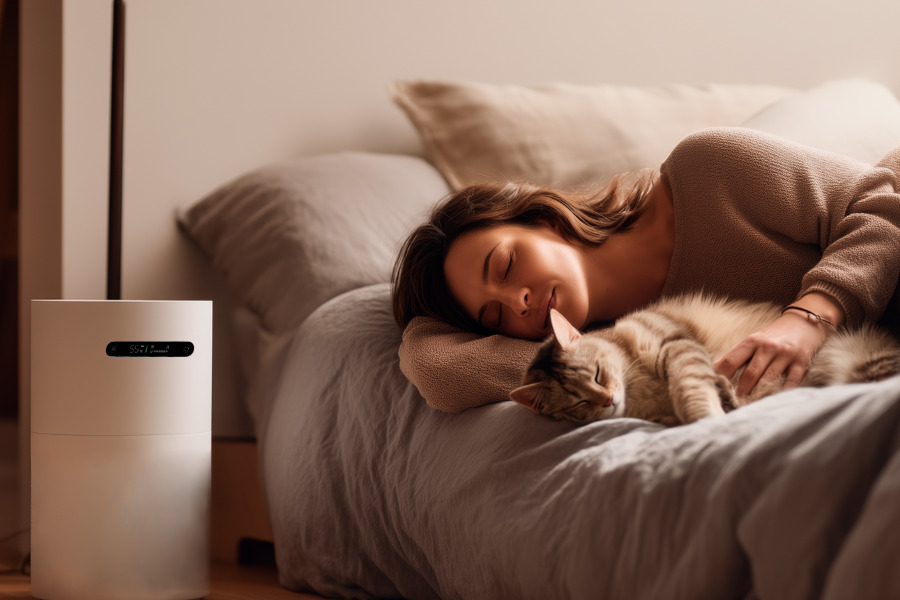
Winter heating and dry climates pull moisture from indoor air faster than most people realize. Skin feels tight, lips crack, and wooden furniture can even begin to creak. An evaporative humidifier restores that missing moisture using a simple, natural process. Instead of spraying visible mist, it lets water evaporate invisibly into the room. The result is comfortable air without damp surfaces or white mineral dust. Many households find the approach gentle, quiet, and easy to live with. This article explains how the technology works and how it compares with other types. You will learn about benefits, ideal humidity levels, and simple maintenance. Buying advice helps you choose a model that suits your space. Comfortable air may be easier to achieve than you think.
How an Evaporative Humidifier Works
The design relies on a principle as old as wet laundry drying on a line. A wick or filter draws water up from a reservoir like a sponge. A fan then blows dry room air through the moist wick. An evaporative humidifier adds moisture as water evaporates into that moving air. No visible mist leaves the unit, only invisible water vapor. The process naturally slows as room humidity rises, which helps prevent over-humidifying. Minerals stay behind in the wick rather than spreading through the room as dust. Many owners keep a spare humidifier wick on hand for easy replacement. The system is simple, reliable, and surprisingly effective. That simplicity explains its enduring popularity.
Evaporative Versus Ultrasonic
Shoppers usually compare two main humidifier technologies. An ultrasonic humidifier uses high-frequency vibrations to create a fine, visible mist. Ultrasonic models run very quietly and often cost less upfront. They can, however, release white dust when used with hard tap water. Evaporative models avoid that dust because minerals remain trapped in the wick. Evaporative units include fans, so they produce a gentle background hum. Wicks need periodic replacement, adding a small ongoing cost. Ultrasonic tanks require frequent cleaning to prevent buildup and bacteria. Both types work well when maintained properly. Choosing depends on your water, noise preferences, and maintenance habits.
Benefits of an Evaporative Humidifier in Dry Seasons
Dry air affects comfort in many small but noticeable ways. Balanced humidity can help skin feel softer and lips less chapped. Many people find nasal passages feel more comfortable in moist air. An evaporative humidifier also helps protect wooden floors, furniture, and instruments from cracking. Static shocks become less frequent as humidity rises. Doorknobs and car doors stop delivering those small, surprising zaps. Houseplants often look healthier with a little extra moisture in the air. Larger homes sometimes rely on a whole house humidifier built into the heating system. Room units offer a flexible, affordable alternative for bedrooms and living spaces. The self-regulating design reduces the risk of overly damp air. Comfort improves without visible mist or wet surfaces.
Finding the Right Humidity Level
More humidity is not always better for your home. Many experts recommend keeping indoor humidity between about 30 and 50 percent. Levels above that range can encourage mold, mildew, and dust mites. Levels below it can leave skin dry and wood furniture vulnerable. An inexpensive hygrometer helps you monitor conditions accurately. Rooms with poor ventilation may reach high humidity faster. Windows showing condensation often signal humidity that is too high. Adjust settings seasonally, since winter heating dries air more quickly. Shoppers searching for a humidifier large room option should match output to room size. Balanced moisture keeps both people and homes comfortable.
Maintaining an Evaporative Humidifier
Regular care keeps the unit efficient and the air fresh. Empty and refill the reservoir with fresh water daily when possible. Clean the tank weekly with mild soap or a vinegar solution, then rinse well. Your evaporative humidifier will also need wick replacement as minerals build up. Replace wicks that feel stiff, discolored, or crusty. Distilled or filtered water can extend wick life in hard water areas. Let the unit dry completely before storing it at the end of the season. Wipe the fan grille to prevent dust from collecting. Follow the manufacturer’s cleaning schedule for best results. Consistent maintenance protects both performance and indoor air quality. Our piece on replacing and cleaning wicks picks up where this section leaves off.
Choosing an Evaporative Humidifier
The right model matches your room size, routine, and preferences. Majesticor offers an advanced 4L evaporative humidifier with app control. Its 4-liter tank supports extended operation between refills. App control lets you adjust settings from your phone without getting out of bed. Review the product page for coverage area, runtime, and filter details before ordering. Measure your room and consider where the unit will sit. Choosing an evaporative humidifier with these features makes dry seasons far more comfortable. Skin, sinuses, and furniture all benefit from balanced moisture. Quiet, invisible humidification blends easily into daily life. Comfortable air, it turns out, can be simple. To see this in practice, read our article on how sensors and apps automate comfort.









Leave a comment
You must be logged in to post a comment.