Twelve Weeks to Better Grass: Lawn Mowing Tips That Actually Work
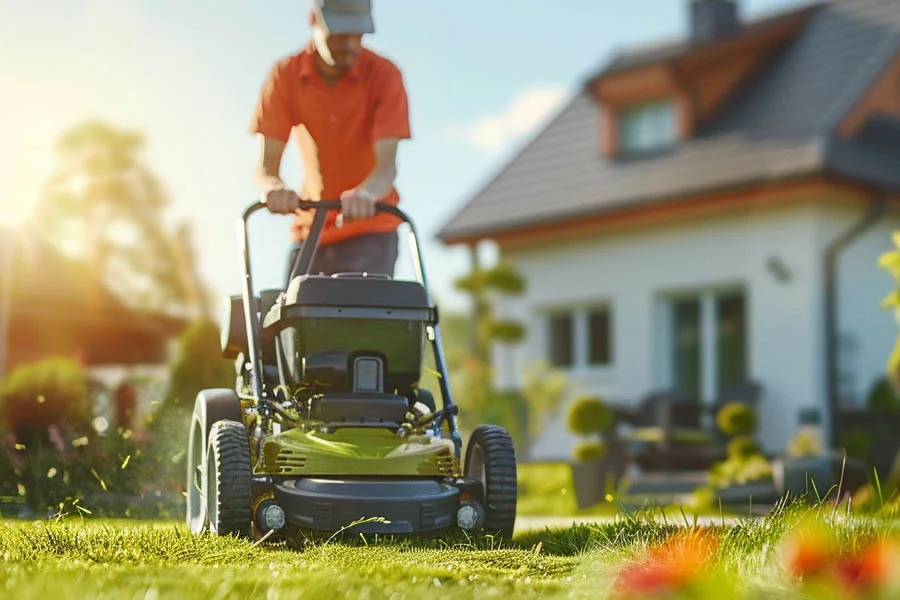
Healthy lawns rarely happen by accident, even in neighborhoods blessed with perfect weather. They grow from consistent habits repeated week after week throughout the season. Fertilizer and watering get most of the attention, yet mowing technique matters just as much. The right lawn mowing tips can thicken turf, crowd out weeds, and reduce brown patches. Most of them cost nothing and take only a little attention to apply. Others depend on having equipment that makes good habits easy to sustain. This article gathers practical advice used by landscapers and experienced homeowners alike. You will learn about cutting height, timing, clippings, patterns, and seasonal adjustments. Along the way, a 21-inch battery mower illustrates how modern features support better results. Follow these ideas for a full season, and your lawn should look noticeably richer.
Lawn Mowing Tips Start with Height
Cutting too short ranks as the single most damaging mowing mistake. Scalped grass loses the leaf surface it needs for photosynthesis and root growth. Short turf also lets sunlight reach weed seeds, inviting crabgrass and dandelions to move in. Landscapers follow the one-third rule, removing no more than a third of the blade at once. Finding the best mowing height depends on grass type, season, and local climate. Cool-season grasses like fescue often prefer three to four inches during summer heat. Warm-season varieties like Bermuda tolerate shorter cuts, often around one and a half to two inches. This mower adjusts across seven positions from 1.5 to 4 inches, covering both ranges easily. Raising the deck during droughts helps grass shade its own roots. Taller grass, in short, usually means healthier grass.
Timing Your Cuts
When you mow affects your lawn almost as much as how you mow. Midday heat stresses freshly cut grass, causing tips to brown and curl. Early morning brings dew, which clumps clippings and makes cuts ragged. Late morning or early evening usually offers the best balance of dry blades and cooler air. Frequency matters too, especially during spring growth spurts when grass shoots up quickly. Mowing every five to seven days keeps each cut within the one-third rule. Skipping weeks forces heavy cuts that shock the turf and pile up clippings. Battery mowers make frequent mowing easier, since there is no fuel to buy or engine to start. LED headlights on this model also extend usable time into dusk on busy days. Consistency, more than intensity, builds a beautiful yard.
Lawn Mowing Tips for Clippings
Clippings often get treated as waste, yet they hold valuable nutrients for your soil. Short pieces left on the lawn decompose quickly, returning nitrogen and moisture to the roots. That natural recycling can reduce fertilizer needs over a full season. The debate over bagging vs mulching really depends on timing and conditions. Mulch during regular weekly cuts, when clippings stay short and spread evenly. Bag when grass grows too tall, when leaves accumulate in autumn, or when disease appears. Side discharge works as a middle option for overgrown sections that would clog a mulching deck. This mower supports all three modes, so you can switch as the season demands. Owners praise its bagging suction, which picks up leaves and straw effectively. Choosing the right mode each week keeps the lawn tidy and fed.
Patterns and Stripes
Changing direction each time you mow prevents ruts and keeps grass blades standing upright. Mowing the same path repeatedly compacts soil and trains grass to lean one way. Rotate between horizontal, vertical, and diagonal passes across successive weeks. Creative mowing patterns also produce those admired stripes, created by grass bending in alternating directions. Overlap each pass by a few inches to avoid leaving thin uncut strips. Begin with a perimeter lap, which gives you room to turn neatly at the ends. A well-striped lawn instantly boosts curb appeal before guests even reach the door. Inside, that first impression can continue with sculptural entryway lighting that welcomes visitors warmly. Patterns take only minutes to plan, yet they transform how your yard looks. Small effort produces a big visual payoff.
Lawn Mowing Tips for Your Equipment
Even perfect technique fails if your mower works against you. Dull blades tear grass rather than slicing it, leaving ragged brown tips that invite disease. Sharpen the blade at least once or twice per season, more often on sandy soil. Clean the deck after each session to prevent clippings from building up underneath. Inspect the wheels regularly, since uneven wheels cause uneven cuts. These lawn mowing tips matter even more with lighter machines that respond quickly to small adjustments. Battery models simplify care by eliminating oil, filters, and spark plugs entirely. Variable speed drive lets you slow down in thick patches for a cleaner finish. To see how one modern mower combines these features, explore the product details here. Reliable equipment makes every good habit easier to keep.
Seasonal Lawn Mowing Tips to Remember
Spring calls for patience, since mowing soggy soil damages roots and leaves ruts. Wait until the ground firms up, then begin at a higher setting. Summer demands taller cuts and less frequent mowing during heat waves or drought. Autumn brings leaves, so switch to bagging or mulch them finely to protect the grass beneath. Gradually lower the height for the final cuts of the season to discourage snow mold. Following these steps consistently is the surest path to a thicker lawn by next year. Overseeding in early fall pairs beautifully with good mowing to fill thin areas. Store your mower clean and dry, with the battery kept indoors over winter. Each season builds on the last, compounding results over time. A greener yard is mostly a matter of steady, thoughtful habits.