Small Rooms, Big Comfort: Finding the Right Apartment Sofa
Apartment living rewards furniture that earns every square foot it occupies. Oversized sectionals swallow small rooms, while tiny loveseats often sacrifice the comfort you need after work. An apartment sofa has to strike a careful balance between footprint, comfort, and personality. It must also survive narrow staircases, tight elevators, and the occasional move across town. Style still matters, of course, because the living room often doubles as your entire social space. Renters face extra constraints, from fixed layouts to landlord-approved wall colors. This article tackles those realities with practical advice and clear priorities. It draws on a rounded bubble design that owners repeatedly praise for small spaces. You will find sizing tips, color strategies, and ideas for sharing space with pets or roommates. Small homes deserve big comfort, and the right choice delivers both.
What an Apartment Sofa Needs to Do
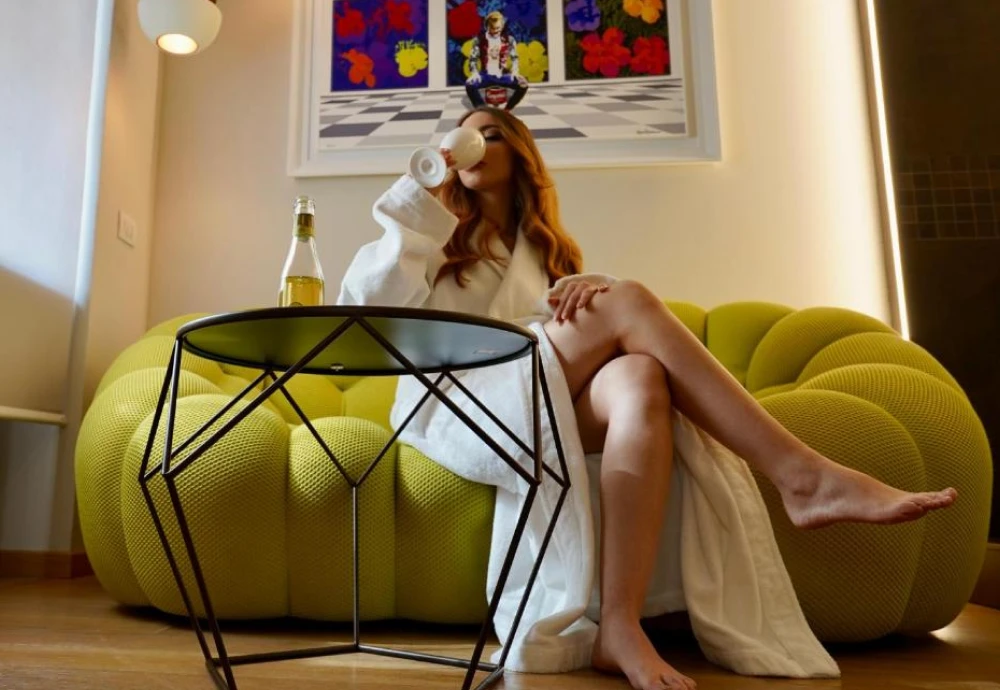
Every piece of small space furniture should solve more than one problem at once. A good sofa provides seating, lounging, and occasional guest napping without dominating the room. It should look finished from every angle, since apartments rarely allow furniture against perfect walls. Rounded shapes help here, softening tight corners and easing movement around the piece. This bubble design features smooth curves and an upholstered body that looks polished from behind. One reviewer called it perfect for small spaces and apartments while still feeling expensive. Another said it fit her living room so well it seemed made to measure. Easy assembly matters in apartments too, and owners describe setup as quick. Delivery in boxes also simplifies navigating stairwells and narrow hallways. Smart design anticipates urban life.
Two Seats or Three
Size decisions shape how the entire room functions afterward. A two-seater works as a stylish loveseat in studios, bedrooms, and narrow living rooms. Couples who mostly lounge side by side often find two seats perfectly sufficient. Three seats suit households that host friends, share space with roommates, or enjoy stretching out fully. Measure your wall length, then subtract space for side tables and walkways before deciding. Remember that visual bulk matters as much as length in compact rooms. This design keeps a relatively low profile, which helps either size feel lighter. One owner bought the smaller version for his bedroom to share with his dog. Others chose the larger size for family movie nights. Matching size to habits beats guessing.
Apartment Sofa Colors That Expand a Room
Color can make a small room feel open or closed, calm or energetic. Light shades like white and soft gray reflect daylight and visually enlarge tight spaces. Navy and deep green add richness, working best when walls and floors stay light. Lilac and red offer playful personality for renters who cannot repaint their walls. An apartment sofa in a bold color can replace the need for loud artwork or wallpaper. This design comes in six colors, giving renters plenty of flexibility. Reviewers report the colors arrive true to the photos, reducing guesswork when ordering online. Consider how much natural light your unit receives before choosing. North-facing rooms often benefit from warmer or lighter tones. Thoughtful color choice stretches space without construction.
Pets, Roommates, and Real Life
Shared living puts upholstery through daily tests most showrooms never simulate. Durable fabric resists snags, spills, and the constant traffic of busy households. Owners say this design handles kids and pets gracefully while still looking fresh. Anyone seeking a pet friendly couch should know that hair shows clearly on lighter shades. Darker colors such as navy or gray hide fur and everyday marks more effectively. A washable throw over the favorite pet spot extends the fabric’s life considerably. Roommates benefit from neutral colors that suit varied tastes and future moves. Cleaning reportedly remains easy, which keeps shared spaces pleasant with minimal effort. Agree on simple care routines early to avoid friction later. Practical choices keep peace at home.
Arranging an Apartment Sofa in Tight Layouts
Placement can make or break a compact living room. Floating the seating slightly away from the wall often makes rooms feel larger, surprisingly. In open studios, position the back of the sofa to define a living zone apart from the bed. Many favorite studio apartment ideas rely on this technique to create rooms without walls. Rugs reinforce those zones, anchoring the seating area visually. Keep walkways around thirty inches wide so movement feels natural. Low coffee tables or nesting tables save space while remaining useful. Mirrors opposite windows bounce light and double perceived depth. Rounded furniture helps traffic flow, since nobody bumps a hip on sharp corners. Good layout feels effortless once it is right.
Bringing an Apartment Sofa Home
Before ordering, measure doorways, stair turns, and elevator dimensions carefully. Check building rules for delivery times if your apartment has a management office. Decide on size and color with your layout and lighting in mind. Read reviews closely, noting comments about seat height and overall size. Several owners recommend reviewing measurements because the piece sits lower than some expect. With a 4.9 rating across 32 reviews, the design wins consistent praise for comfort and style. Many reviewers say it looks and feels far more expensive than they anticipated. That combination suits renters who want quality without overcommitting. To compare both sizes and all six colors, visit the product page today. Your small space can still feel generously comfortable.