The Battery Powered Lawn Mower Question Every Homeowner Asks First
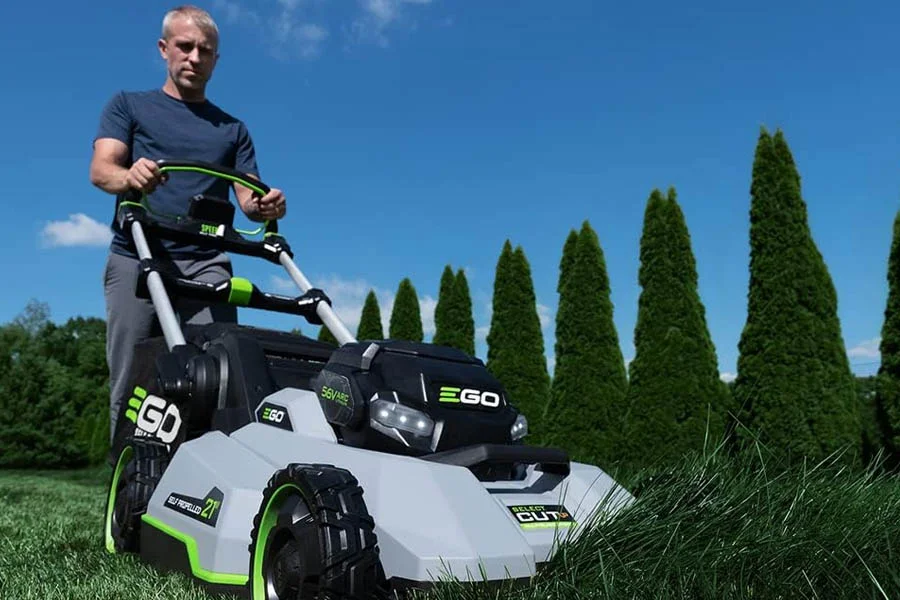
Before anyone switches from gas, one question usually comes first: will the battery last? It is a fair concern, especially for homeowners who remember weak early electric models. A battery powered lawn mower today looks very different from those underpowered machines. Higher voltages, better cells, and efficient motors have changed expectations considerably. Still, runtime depends on several factors that deserve a clear explanation. Grass height, moisture, terrain, and drive use all affect how long a charge lasts. This article answers the most common questions buyers ask before making the switch. You will learn about charging, cutting performance, maintenance, and choosing the right model. Each section focuses on practical concerns rather than marketing claims. By the end, the runtime question should feel much less mysterious.
Will a Battery Powered Lawn Mower Last Long Enough?
Runtime is the number most buyers check first, and for good reason. A battery powered lawn mower must finish your yard without awkward mid-mow breaks. Voltage and amp-hour ratings together determine how much energy a pack stores. A 56v battery platform supplies strong power for medium and larger lawns. Higher amp-hour packs extend runtime, though they add some weight. Using the powered drive draws extra energy, especially on hills. Tall, wet grass also shortens runtime compared with dry, regularly maintained turf. Mowing more frequently keeps grass shorter and makes each session easier on the battery. Check the manufacturer specifications for estimated coverage per charge. Matching battery capacity to yard size prevents most runtime frustrations.
Charging Without the Wait
Charging time matters as much as runtime for many busy households. A slow charger can turn a quick mowing session into an afternoon of waiting. Systems paired with a rapid charger reduce that downtime considerably. Some owners charge during the week so the battery is ready by Saturday. Others keep a second battery charged and swap packs halfway through larger lawns. Charging indoors at moderate temperatures helps protect long-term battery health. Avoid leaving batteries in hot sheds or freezing garages for extended periods. Many battery platforms also power trimmers, blowers, and other yard tools. That shared system reduces the number of chargers cluttering your workspace. Smart charging habits keep the mower ready whenever good weather appears.
How a Battery Powered Lawn Mower Handles Thick Grass
Thick grass once exposed the weakness of early electric mowers. Motors slowed, blades bogged down, and clippings clumped across the lawn. Modern designs address this with higher voltage and smarter power management. A capable battery powered lawn mower should keep blade speed steady as resistance increases. Blade systems matter as well, with some designs offering configurations for tall grass. Select Cut technology, for instance, aims to adapt the cutting approach to different conditions. Raising the deck for overgrown patches reduces strain on both blade and battery. Mowing in two passes, the first higher and the second lower, also helps. Keeping blades sharp prevents tearing and reduces energy consumption noticeably. With good technique, thick spring growth becomes far less intimidating. A useful companion read is our article on how battery mowers compare with gas for upkeep and noise.
Getting the Cut Height Right
Cut height influences lawn health more than many homeowners realize. Grass cut too short becomes stressed, weak, and vulnerable to weeds. Taller grass shades the soil, retains moisture, and develops deeper roots. An adjustable cutting height lets you adapt to seasons and grass species. Many lawn experts recommend removing no more than one-third of the blade at once. In summer heat, raising the deck helps the lawn handle dry spells. Cooler months allow a slightly shorter cut for a neat appearance. Check how easily the height adjusts, since awkward levers discourage regular changes. Single-lever systems typically adjust all wheels together in one quick motion. Thoughtful height management keeps the lawn healthy throughout the year.
Caring for a Battery Powered Lawn Mower
Battery mowers require far less maintenance than gas machines, but some care still matters. Clean grass buildup from the deck after each use to protect airflow. Sharpen or replace blades at least once per season for clean cuts. Store the battery indoors at moderate temperatures, away from direct sunlight. Before winter, follow the manufacturer guidance on storage charge levels. A well-maintained battery powered lawn mower can serve reliably for many seasons. Anyone choosing a lawn mower for small yards will find that upkeep takes only minutes. Larger machines need slightly more attention, especially around wheels and drive parts. Check the handle and fasteners occasionally for looseness. These simple habits protect both performance and your investment.
Finding the Right Battery Powered Lawn Mower
The ideal machine balances power, runtime, comfort, and convenience. Majesticor offers a 21-inch, 56-volt cordless mower with Select Cut and self-propelled Touch Drive. Its higher-voltage platform targets the thicker grass and larger yards many homeowners face. The powered drive reduces effort on slopes and long stretches of lawn. Review the product page for battery capacity, charger type, and estimated runtime. Compare those details against your yard size and typical grass conditions. Think about storage space and whether a folding design suits your garage. Choosing a battery powered lawn mower becomes simple once those factors are clear. Runtime anxiety fades quickly when the specifications match your needs. Quiet, clean mowing may soon feel like the obvious choice. Our piece on what modern batteries can really handle picks up where this section leaves off.









Leave a comment
You must be logged in to post a comment.