Every Minute Counts: Getting More Drone Flight Time
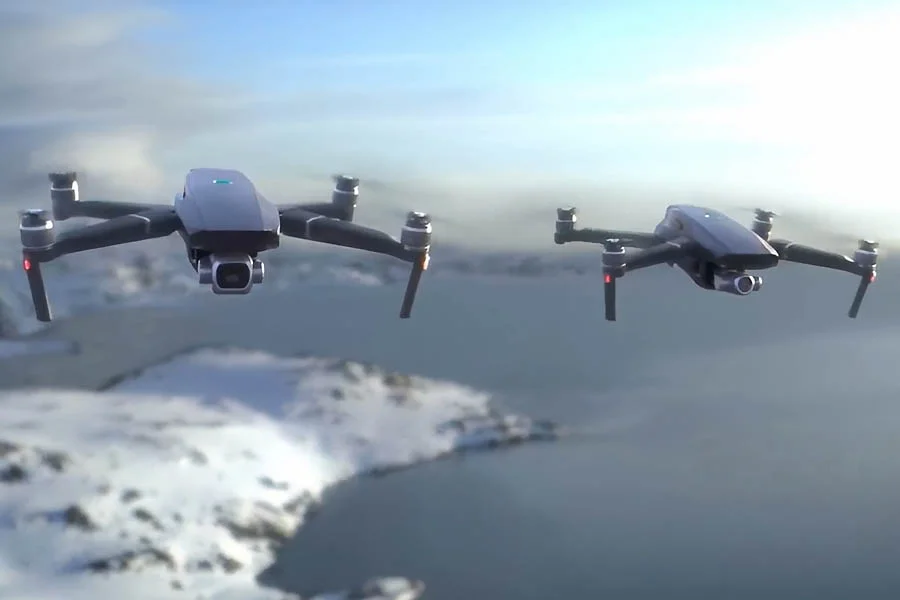
Every pilot knows the sinking feeling of a low-battery warning just as the light turns perfect. Minutes in the air are precious, especially during sunrise or fleeting weather. Drone flight time determines how many shots you can attempt before landing. Longer flights mean more creative freedom and less rushing. They also reduce the stress of watching a battery percentage drop during critical moments. Battery technology, aircraft design, and pilot habits all influence those minutes. Small changes in technique can add noticeable time to every session. This article explains what drains power and how to stretch it further. You will learn about battery care, flying habits, weather effects, and planning. Buying advice highlights why extended endurance matters so much. Every minute, after all, counts when the shot matters.
What Determines Drone Flight Time
Several factors combine to determine how long a drone stays airborne. Battery capacity, measured in milliamp hours, sets the basic energy supply. Aircraft weight affects how hard motors must work to stay aloft. Efficient motors and propellers convert energy into lift more effectively. Drone flight time also depends heavily on speed, wind, and temperature. Hovering consumes less power than aggressive acceleration and climbing. Each drone battery performs best within the temperature range listed by its manufacturer. Accessories add weight and reduce endurance slightly. Manufacturer ratings usually reflect ideal conditions rather than real-world flying. Understanding these variables helps set realistic expectations.
Battery Care That Pays Off
Healthy batteries deliver longer, more consistent flights over their lifetime. Store lithium polymer batteries at around half charge when not in use. Many smart batteries discharge themselves automatically to a safe storage level. Avoid leaving batteries fully charged for days or weeks. Never fly with swollen, damaged, or punctured batteries. Dispose of damaged cells at an approved recycling center rather than household trash. Allow batteries to cool after flights before recharging them. Keep cells away from extreme heat, such as hot cars in summer. Track charge cycles, since capacity declines gradually with age. Use only manufacturer-approved chargers to protect cell health. Careful habits preserve flight time for many seasons. To see this in practice, read our article on learning to fly safely as an adult.
Flying Habits That Extend Drone Flight Time
Pilot technique influences endurance more than most beginners realize. Smooth, steady movements consume less energy than sudden bursts of speed. Avoid unnecessary climbing, since gaining altitude demands extra power. Plan shots before takeoff so you spend less time searching for angles. Return with comfortable reserves rather than draining batteries completely. Good habits can add meaningful minutes of drone flight time per session. Removing a propeller guard outdoors can reduce drag when it is safe to do so. Keep firmware updated, since efficiency improvements sometimes arrive through updates. Fly in sport modes sparingly, as they drain batteries much faster. Thoughtful flying turns every charge into more usable footage.
Weather, Wind, and Temperature
Weather has a direct effect on how long batteries last. Headwinds force motors to work harder, draining power quickly. Strong wind resistance ratings help aircraft hold position, but energy still suffers. Cold temperatures reduce battery chemistry efficiency noticeably. A battery that lasts twenty minutes in summer may manage far less in freezing air. Warm batteries before flying in winter by keeping them close to your body. Hot weather can trigger thermal protection and shorten flights. Humidity and light rain can damage electronics on non-sealed designs. High altitudes thin the air, requiring more power for lift. Check forecasts and wind speeds before every session. Adapting to conditions protects both flight time and safety.
Planning Shoots Around Drone Flight Time
Efficient planning maximizes every minute in the air. Scout locations on maps or apps before arriving on site. List the specific shots you want and their order. Group nearby shots together so the aircraft travels shorter distances between them. Drone flight time stretches further when each battery has a clear purpose. Charge all batteries the night before and carry a portable power bank. Rotate batteries so each one sees similar use over time. Allow cooling periods between flights during long sessions. Review footage quickly between flights to avoid repeating shots. Confirm the aircraft broadcasts Remote ID where required before takeoff. Organized shoots produce more footage with less stress.
Why Longer Drone Flight Time Changes Everything
Endurance transforms how you approach aerial photography and video. Longer flights allow multiple attempts at difficult shots without landing. Majesticor offers a 4K HDR professional drone with a Hasselblad camera and extended flight time. That combination pairs strong imaging with more minutes to compose each scene. Review the product page for battery capacity, rated endurance, and spare battery options. Consider how many batteries your typical sessions require. Extra drone flight time reduces pressure during sunrises, sunsets, and events. Calmer pilots make better creative decisions and fly more safely. Each additional minute becomes another opportunity for the perfect frame. Endurance, in the end, is creative freedom measured in minutes. If this topic interests you, our article on how stabilization improves cinematic clips is a natural next step.









Leave a comment
You must be logged in to post a comment.