Drone Photography That Looks Like It Belongs in a Gallery
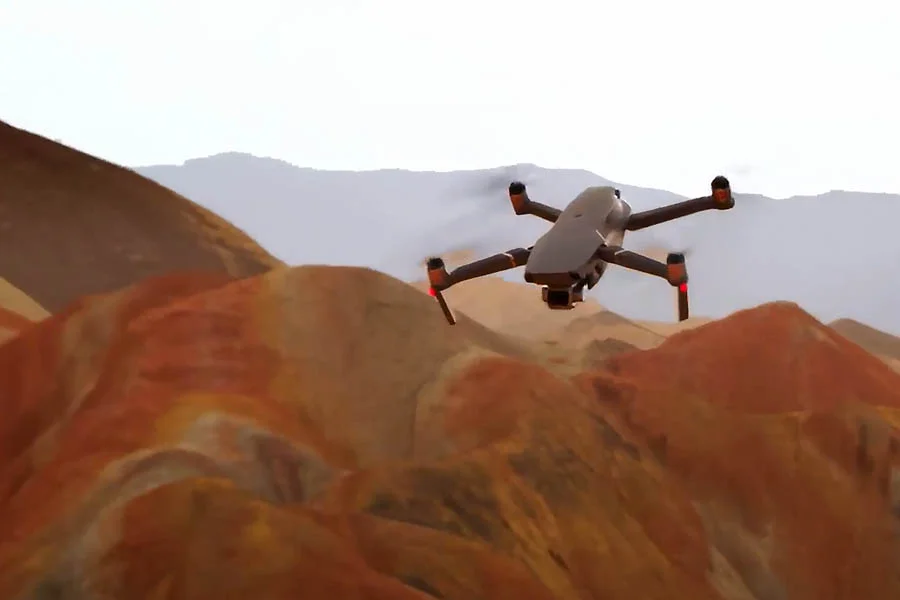
Gallery walls increasingly feature images that could only come from the sky. Abstract coastlines, geometric farmland, and winding roads have become art in their own right. Collectors and editors increasingly seek fresh aerial perspectives for walls and publications. Drone photography makes those perspectives accessible to hobbyists, not just professionals with helicopters. Yet striking aerial images require more than simply flying high and pressing the shutter. Composition, light, settings, and editing all shape the final result. Photographers who master these elements produce work worth printing and framing. This article explores the techniques that elevate aerial images. You will learn about composition, camera settings, color, and sharing formats. Gear advice wraps up the discussion for photographers ready to invest. Your next print could hang beside work you once admired.
What Makes Drone Photography Different
Ground photography relies on horizons, foregrounds, and familiar viewpoints. Drone photography removes those conventions and invites entirely new compositions. Looking straight down flattens landscapes into patterns, lines, and textures. Oblique angles add depth while still offering a rare elevated perspective. Scale becomes a powerful tool, with tiny figures emphasizing vast surroundings. Sensor quality matters greatly, since aerial scenes contain fine detail and wide contrast. Imaging associated with a Hasselblad camera is prized for natural, accurate color. Stable hovering allows longer exposures than handheld photography from heights. These differences reward photographers willing to rethink their habits. The sky becomes a studio with endless possibilities.
Composition From Above
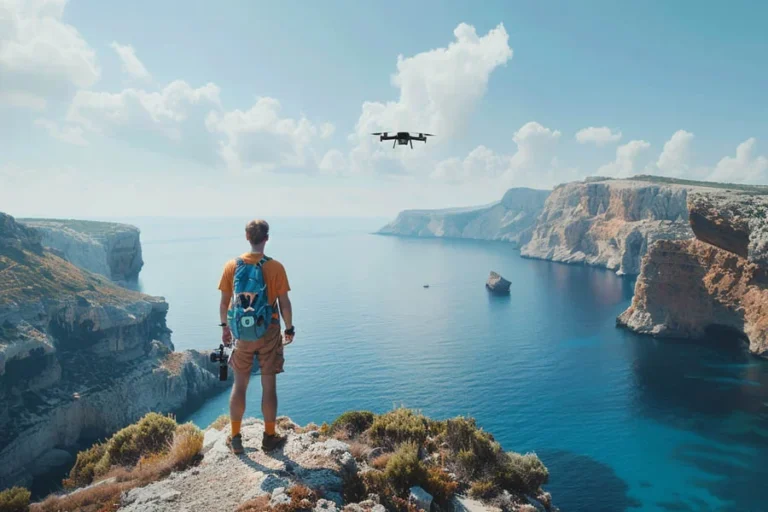
Strong aerial images rely on simple, bold compositions. Look for leading lines such as roads, rivers, and coastlines. Patterns in crops, rooftops, and parking lots create striking abstract images. Symmetry works beautifully when shooting directly down on structures. Negative space, like open water or sand, highlights a single subject. Include a human element occasionally to convey scale. A lone kayak, hiker, or bicycle can transform an abstract scene into a story. Shadows at sunrise and sunset add depth to otherwise flat scenes. Some photographers use vertical shooting to frame tall subjects for phones and posters. Rotate the camera to find the most balanced arrangement before capturing. Thoughtful composition separates art from snapshots.
Drone Photography Settings That Matter
Camera settings determine how much detail and flexibility you capture. Shoot in RAW format to preserve maximum data for editing. JPEG files are convenient, but they discard information you may want later. Keep ISO as low as possible to minimize noise in shadows. Drone photography benefits from bracketing, which captures multiple exposures for HDR blending. Use the histogram to protect highlights in bright skies. Select manual focus or tap-to-focus for consistent sharpness. Shutter speeds should stay fast enough to counter vibration and wind. Hyperlapse and panorama modes expand creative options on many models. Flat profiles such as D-Log help video shooters retain dynamic range for grading. Mastering settings turns good light into great images.
Color Science and Editing
Color defines the mood and character of every aerial image. Accurate color science produces natural skin tones, greens, and blues. Consistent profiles across a shoot make batch editing far faster and more reliable. Start editing with white balance to correct any color casts. Adjust exposure and contrast to reveal detail across the frame. Gentle saturation boosts bring landscapes to life without looking artificial. Graduated filters can balance bright skies against darker land. Remove distractions like power lines or stray objects carefully. Sharpen modestly, since excessive sharpening creates halos and noise. Export at full resolution for printing and sized versions for sharing online. Consistent editing builds a recognizable personal style. Our piece on settings that keep footage smooth picks up where this section leaves off.
Drone Photography for Social Media and Print
Different outputs require different approaches to framing and processing. Social feeds favor vertical or square crops that fill phone screens. Drone photography for print, by contrast, needs full resolution and careful sharpening. Large prints reveal flaws, so inspect images closely at full size. Choose quality paper or metal prints to showcase vivid aerial colors. Creators who chose a drone for YouTube often combine stills with video clips. Captions sharing location and story add context that boosts engagement. Watermarks can protect work, though subtle placement keeps images attractive. Back up originals in multiple places before sharing widely. Planning outputs early saves time during editing.
Gear for Serious Drone Photography
Equipment shapes the ceiling of what your images can achieve. Majesticor offers a 4K HDR professional drone with a Hasselblad camera and extended flight time. Its imaging focus suits photographers who prioritize color, detail, and dynamic range. Longer flights allow patient composition while waiting for perfect light. Review the product page for sensor size, file formats, and accessories before ordering. Pack ND filters, spare batteries, and fast memory cards for productive sessions. Check registration and airspace rules before flying in new locations. Serious drone photography rewards patience, practice, and thoughtful equipment choices. Each flight builds skill, confidence, and a stronger portfolio. Gallery-worthy images may be only a few flights away. To see this in practice, read our article on building a travel story from above.







Leave a comment
You must be logged in to post a comment.