Inflatable Camping Tent Setup in Minutes, Not Hours
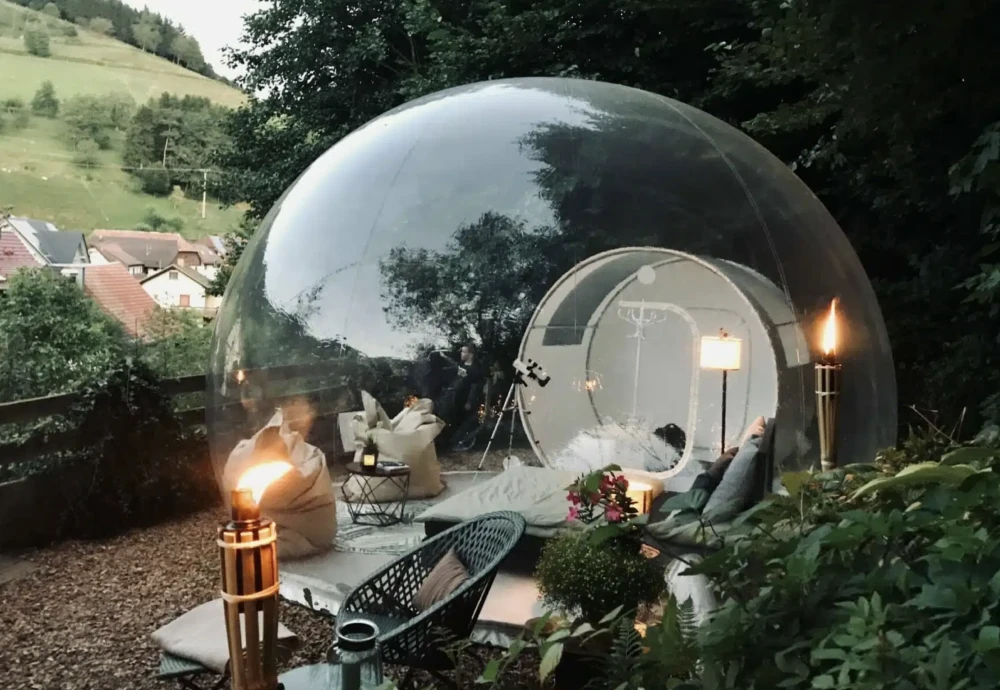
Anyone who has wrestled with tangled poles at dusk knows how quickly camping can lose its charm. Instructions blow away, sleeves snag, and patience runs short as darkness falls. An inflatable camping tent replaces that struggle with a pump and a few calm minutes. Air fills the structure, the shelter rises, and you move straight to the fun part. Families with young children especially appreciate the faster, simpler process. Couples and solo campers enjoy more time for cooking, hiking, and relaxing. This article explains how air-supported shelters work and what to expect from them. You will learn about stability, packing, common mistakes, and choosing the right model. Each section focuses on real-world use rather than marketing hype. Setup in minutes, it turns out, changes the whole mood of a trip.
How an Inflatable Camping Tent Saves Time
Traditional setups involve sorting poles, threading sleeves, and adjusting clips. An inflatable camping tent skips most of those steps entirely. You unroll the shelter, attach the pump, and watch the walls rise. Compared with pole designs, the process feels almost effortless. The blow up tent category has grown quickly because of this convenience. Fewer parts also mean fewer pieces to lose at the campsite. Takedown is just as simple, since releasing the valves deflates the structure. Late arrivals benefit most, especially when light is fading fast. Kids can help safely, which makes setup feel like a shared activity. Saved minutes add up to more time enjoying the outdoors.
Air Beams Versus Full Inflation
Not all air-supported shelters use the same approach. Some designs use inflatable beams that replace traditional poles within a fabric body. Others inflate the entire structure, creating a rounded bubble or dome. Beam designs typically hold air without continuous pumping once inflated. Fully inflated bubble designs may rely on a blower to maintain their shape. Each approach offers different strengths in portability and visual impact. A tent with air pump included saves you from buying extra equipment. Check whether the pump runs on batteries, a car outlet, or household power. Understanding these differences helps you match the shelter to your destinations. Reading the specifications carefully prevents surprises at the campsite.
Inflatable Camping Tent Stability in Wind and Rain
Stability is a common concern for first-time buyers of air-supported shelters. Properly inflated structures flex slightly in gusts and then return to shape. An inflatable camping tent should still be staked and guyed securely. Pitch with the narrow end facing the prevailing wind whenever possible. Natural windbreaks, such as hedges or boulders, add extra protection. Rain performance depends on materials, seams, and how well the shelter is pitched. A waterproof tent rating gives useful guidance, so check specifications carefully. Avoid pitching in low spots where water collects during storms. Follow the manufacturer’s weather limits and take down the shelter in severe conditions. Sensible precautions keep you dry, safe, and comfortable.
Packing and Transport
Air-supported shelters pack differently from pole tents. Deflated bodies roll into compact bundles, though some remain heavy. Larger designs may require two people to carry comfortably. Measure your car trunk before buying a bigger model. Always dry the material completely before packing to prevent mildew. Roll toward the valves so remaining air escapes easily. Keep pumps, repair kits, and stakes together in a labeled bag. Groups considering a 6 person tent should plan for larger packed sizes. Store the shelter in a cool, dry place between trips. Organized packing makes the next adventure start smoothly.
Avoiding Common Inflatable Camping Tent Mistakes
Beginners often make a few predictable errors during their first trips. Overinflating beyond the recommended pressure can strain seams and valves. Underinflating, meanwhile, leaves walls sagging and less stable in wind. An inflatable camping tent also needs a cleared site free of sharp debris. Skipping the groundsheet exposes the floor to punctures and moisture. Forgetting the pump or its power source can derail an entire evening. Ignoring small leaks allows them to grow into bigger problems. Practicing setup at home reveals issues before you reach the campsite. Read the instructions fully, even if the process seems obvious. Avoiding these mistakes keeps every trip relaxed and enjoyable. Readers who want to go further can explore our piece on caring for transparent walls.
Choosing an Inflatable Camping Tent
The right shelter matches your group size, destinations, and preferred style. The Majesticor Luxurious Inflatable Starview Bubble Tent combines inflatable convenience with clear, rounded walls. Its design focuses on wide views and a memorable sleeping experience under the sky. Review the product page for capacity, inflation method, and included accessories before ordering. Consider whether your campsites provide power for continuous airflow if needed. Think about transport space and storage at home as well. An inflatable camping tent that fits these needs makes setup the easiest part of every trip. You will spend less time wrestling gear and more time enjoying the outdoors. That shift alone can rekindle a love of camping. Simple setups, after all, leave room for richer memories. A useful companion read is our article on dome stability in wind and rain.









Leave a comment
You must be logged in to post a comment.