Tiny Paws, Big Lessons: A Calm Approach to Kitten Litter Training
Bringing home a kitten fills the house with playful energy and endless curiosity. Among the first lessons that tiny explorer needs is where to go to the bathroom. Kitten litter training usually happens quickly, since cats instinctively bury waste in loose material. Still, a little guidance prevents accidents and builds habits that last a lifetime. The right box, litter, and location make the process far smoother. Timing, patience, and gentle encouragement handle the rest. This article walks through each stage, from the first day home to confident adulthood. It also explains when automatic, self-sifting boxes become appropriate as kittens grow. One owner even wished she had started with an automatic unit while her cats were young. Let us help your newest family member get it right.
Kitten Litter Training Starts on Day One
Show your kitten the litter box as soon as you arrive home. Place it gently inside and let it sniff and explore at its own pace. Anyone adopting a kitten should keep the box in a quiet, easily reached spot near its sleeping area. Kittens often need to go after waking, eating, and playing, so guide them over at those times. Avoid placing food and water right beside the box, since cats dislike eating near their toilet. Praise softly when your kitten uses the box successfully. Never punish accidents, which creates fear and avoidance instead of learning. Keep the first room small so the box is never far away. Most kittens catch on within days. Consistency builds confidence.
Choosing the Right Setup
Young kittens need low-sided boxes they can climb into easily. Good kitten care also means choosing unscented, low-dust litter that will not irritate developing lungs. Some veterinarians suggest avoiding clumping clay for very young kittens that might ingest it. Paper or natural pellet litters offer safer alternatives during the earliest weeks. Scoop at least twice daily, since kittens prefer clean spaces just like adults. Position boxes away from noisy appliances that could startle a nervous kitten. As your kitten grows, transition gradually to the litter type you plan to use long-term. Mix old and new litter over a week to ease changes. Keep a second box available if your home is large. Thoughtful setup speeds learning.
Kitten Litter Training with Automatic Boxes
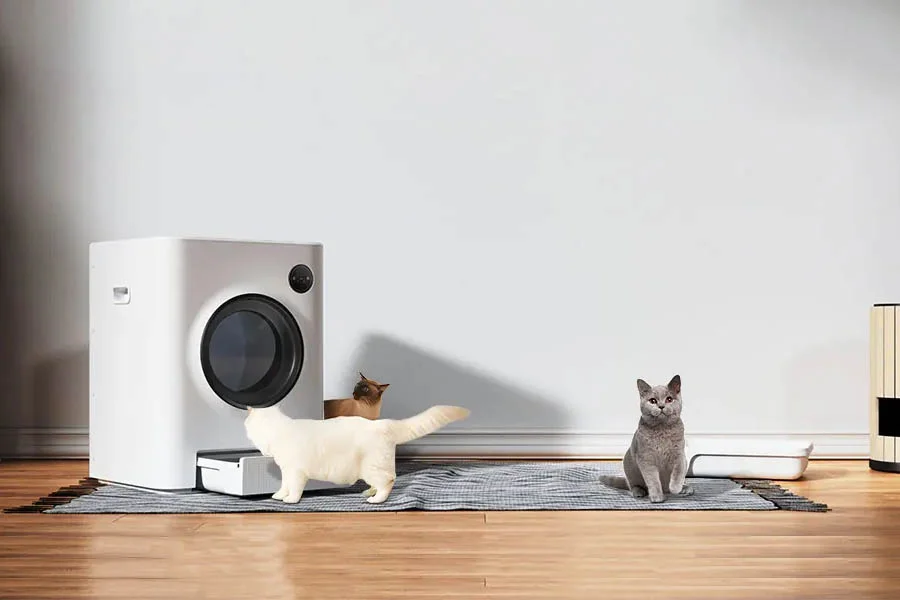
Automatic litter boxes offer enormous convenience, but they suit grown cats better than tiny kittens. Weight sensors detect cats inside to prevent cleaning cycles, and very small kittens may not register reliably. Checking a kitten weight chart helps you track when your pet reaches a size sensors can detect. Until then, use the unit in manual mode or keep a traditional box available. This model includes four weight sensors and lets you trigger cleaning manually through the app. Follow manufacturer guidance on minimum cat weight before enabling automatic cycles. Introduce the unit gradually, perhaps with the motor off, so the sound does not frighten your kitten. One owner regretted not starting her cats on this unit when they were young. Early familiarity often eases the transition later. Safety comes first at every stage.
When Accidents Happen
Even well-trained kittens occasionally miss the mark. A cat peeing outside the litter box often signals stress, a dirty box, or a medical issue. Clean accidents thoroughly with an enzymatic cleaner that removes lingering scent completely. Ordinary cleaners may leave traces that invite repeat visits to the same spot. Move the box closer to where accidents happen, then shift it gradually back. Check whether the litter type or box depth bothers your kitten. Frequent urination, straining, or blood warrants a prompt visit to your veterinarian. Changes in household routine, such as new pets or visitors, can also unsettle young cats. Patience and observation usually reveal the cause. Most setbacks resolve quickly.
Kitten Litter Training Milestones
Most kittens use a box reliably within a week or two of arriving home. By three to four months, many handle larger boxes and standard litters comfortably. Kitten litter training continues subtly as your pet learns preferences for location and cleanliness. Around six months, many cats reach adult routines and more predictable schedules. This stage often marks a sensible time to consider automatic options, depending on weight and manufacturer guidance. Watch how your cat reacts to motor sounds before relying on automatic cycles. Some cats adapt instantly, while others need a few weeks of gentle exposure. Keep a traditional box nearby during the transition as a backup. Celebrate small wins along the way. Growing up happens fast.
Graduating from Kitten Litter Training
Once your cat uses the box consistently, maintenance becomes the main focus. Automatic units handle daily scooping, freeing time for play and bonding. This model cleans after each visit, holds up to ten days of waste for one cat, and offers app monitoring. Its entrance suits small and medium cats, so consider your breed’s expected adult size. The app requires a 2.4GHz WiFi network, which most routers can provide. Owners rate it 5.0 across 11 reviews, praising convenience and odor control. One mentioned her cat now seems fascinated by watching the cleaning cycle. Introduce it patiently, and keep the old box available during the switch. To review sizes and safety features, visit the product page before upgrading. A well-trained cat deserves a clean, comfortable bathroom.