Lower the Seat, Raise the Ceiling: Rethinking the Low Profile Sofa
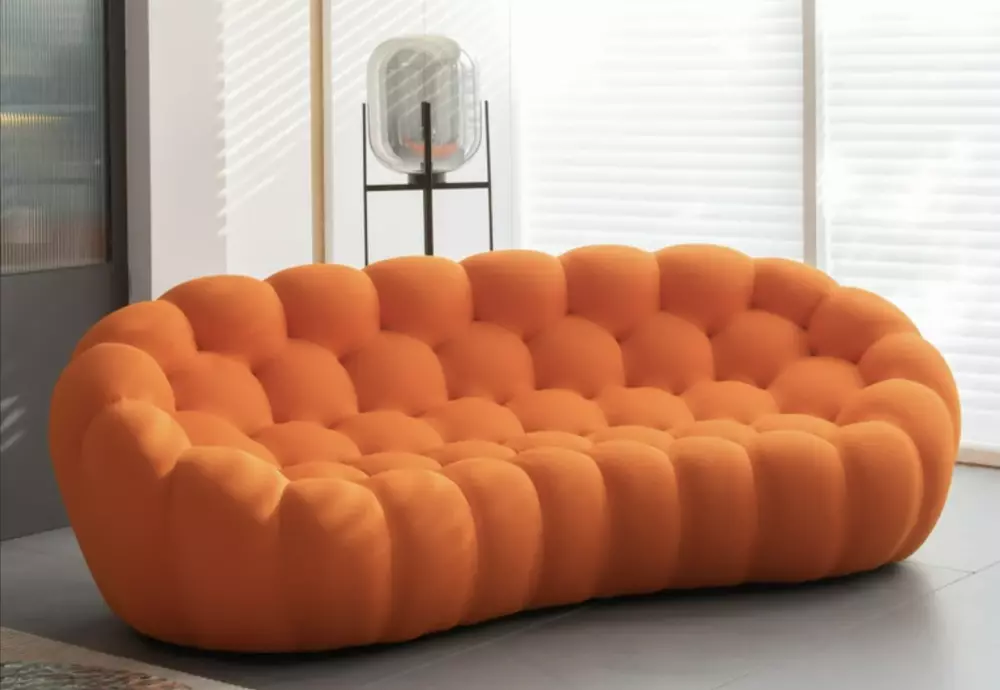
Furniture height quietly shapes how spacious a room feels, even when nobody notices it consciously. Tall, bulky seating blocks sightlines and makes ceilings seem lower than they really are. A low profile sofa does the opposite, keeping the eye moving across open space and toward windows. Designers use this trick constantly in apartments, lofts, and rooms with modest ceiling heights. The look also aligns with calm, grounded interiors inspired by Scandinavian and Japanese design. Sitting closer to the floor feels relaxed, informal, and pleasantly cozy. Still, low seating raises fair questions about comfort, accessibility, and proportion. This article answers them with practical guidance and honest owner feedback. A rounded bubble design from Majesticor, often noted for its low silhouette, offers real examples. Read on to see whether lower might be better for your home.
Why a Low Profile Sofa Opens Up a Room
Visual weight depends on how much space furniture occupies at eye level. When seating stays low, walls and windows remain visible from almost every angle. That openness makes compact rooms feel larger and taller than their measurements suggest. Designers rank this approach among their favorite low ceiling room ideas, alongside light paint and slim lighting. Low seating also lets artwork and shelving take a more prominent role. The bubble design keeps its back and seat relatively low, according to multiple reviewers. One owner noted that its modest height surprised her, yet the design more than compensated. Its rounded edges soften the room further, avoiding the boxy look of many sofas. Together, low height and soft shape create a remarkably airy feel. Space, in effect, becomes part of the decor.
Minimalism Loves Low Lines
Minimalist interiors depend on calm horizontals, open floors, and very few competing objects. Low seating supports that philosophy by keeping the room’s center of gravity close to the ground. A minimalist living room often pairs one low sofa with a slim table and a single rug. Pattern-free upholstery, like the fabric on this design, keeps the composition quiet and cohesive. Neutral shades such as white and gray suit the style naturally. Bolder colors can work too, provided the rest of the palette stays restrained. Lighting adds the finishing touch, and some homeowners choose a crystal fixture with understated sparkle for contrast. Keep accessories to a minimum so surfaces feel deliberate rather than bare. Each item should earn its place through function or beauty. Simplicity, practiced well, feels luxurious.
Is a Low Profile Sofa Comfortable?
Comfort depends partly on habit, since many people grew up with taller, more upright seating. Lower seats encourage lounging, with legs extended and backs relaxed against soft cushions. A low profile sofa suits reading, napping, and casual conversation especially well. Owners of this design describe it as soft, supportive, and perfect for long afternoons. One reviewer called the seat bouncy and supportive enough for extended sitting. Another admitted the low back took adjustment but said the comfort won her over. Older adults or anyone with knee concerns should consider how easily they can stand up. Firm cushions and sturdy arms make rising easier from lower heights. Testing similar seat heights at home, perhaps on an ottoman, offers a useful preview. Comfort, ultimately, is personal.
Japandi and Scandinavian Pairings
Two design movements embrace low seating more fully than any others. Scandinavian style favors light woods, soft textiles, and practical comfort in bright rooms. Japanese design contributes floor-level living, natural materials, and a deep respect for empty space. Combined, they create the popular japandi living room, which balances warmth with serene restraint. Low furniture sits at the heart of that look, keeping rooms grounded and peaceful. This bubble design draws on Scandinavian influences, making it a natural fit for such spaces. Pair it with a light oak coffee table and a textured wool rug. Add paper lanterns or linen shades for soft, diffused light. Ceramics in muted earth tones complete the palette gracefully. The result feels calm, warm, and quietly sophisticated.
Measuring for a Low Profile Sofa
Measurements matter even more when seating sits closer to the floor. Check seat height first, comparing it with chairs you already find comfortable. Next, review seat depth, since shallow seats feel different from deep lounging cushions. Confirm the backrest height if you like resting your head while watching television. Reviewing published sofa dimensions carefully prevents the most common disappointment mentioned in reviews. One owner suggested checking measurements closely because the piece sat lower than expected. Consider coffee table height too, ideally within a few inches of the seat for easy reach. Low tables keep the composition balanced and visually connected. Choose between two-seater and three-seater versions based on your room width. Precise planning makes low seating feel intentional.
Living Well with a Low Profile Sofa
Everyday life with low seating quickly becomes second nature for most households. Children love furniture they can climb onto easily, and pets appreciate it even more. Floor cushions and poufs extend the seating area naturally during gatherings. Rugs become more important, since people often stretch their legs onto the floor. Owners of this design say it handles kids and pets gracefully thanks to durable fabric. With a 4.9 rating from 32 reviews, satisfaction runs consistently high. Many describe their rooms as calmer, cozier, and more open after the switch. Six colors let you choose between quiet neutrals and cheerful accents. To check measurements and color options, view the product details before deciding. Lower seating might lift your whole room.