When a Push Lawn Mower Stops Being Enough for Your Yard
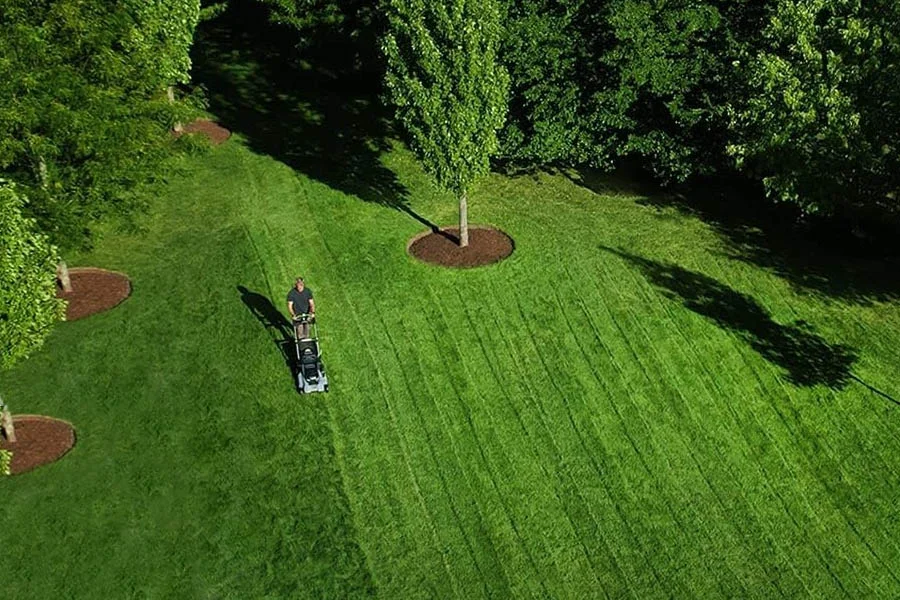
For years, a basic push lawn mower may handle the job without complaint. Then the yard grows, the slope feels steeper, or your shoulders start objecting. These moments arrive gradually, so many homeowners keep pushing longer than they should. A simple machine still has real strengths, and nobody needs to abandon one prematurely. Yet the right upgrade can turn a draining chore into a manageable routine. Knowing when to switch matters as much as knowing what to buy. This article explores where manual mowers still shine and where they fall short. You will find clear signs that suggest an upgrade, along with practical comparisons. Terrain, yard size, and personal comfort all factor into the decision. By the end, you will know whether your trusty mower deserves retirement.
Where a Push Lawn Mower Still Makes Sense
Manual pushing works perfectly well in specific situations. Small, flat lawns rarely justify the cost of powered wheels. A push lawn mower is typically lighter and simpler, with fewer parts to maintain. It also offers precise control around tight corners and garden beds. Many owners appreciate the exercise that comes with each mowing session. A lightweight push mower can be ideal for townhouses and compact suburban lots. Storage tends to be easier, since these machines are smaller and lighter. Budget-conscious buyers also find manual models more affordable upfront. If mowing takes under thirty minutes on level ground, pushing may remain the sensible choice. Recognizing these strengths keeps the upgrade decision honest.
Signs You Have Outgrown Manual Pushing
Certain patterns suggest the current routine is costing more than it should. Mowing takes longer each season, or you split the job across two days. Slopes leave you winded, and the final passes become noticeably rushed. Those rushed passes leave uneven stripes and missed strips along the edges. Back, shoulder, or knee discomfort appears after each session. You postpone mowing until the grass grows tall, which makes the next cut harder. Many people who start searching for a lawn mower for large yards recognize every one of these signs. Life changes, such as a new baby or a busier job, also reduce available energy. None of these signs mean failure, only that the tool no longer fits. Noticing them early makes the transition smoother.
Push Lawn Mower Versus Powered Drive
The core difference lies in who supplies the forward motion. With a push lawn mower, your legs and arms move the entire machine. Powered-drive models use a motor to turn the wheels while you steer. That shift reduces fatigue dramatically, especially across long stretches and slopes. Both styles fall under the broader walk behind lawn mower category. Each still requires walking, but the effort level differs considerably. Powered drives add some weight and cost compared with manual designs. Battery models offset that with push-button starts and quiet operation. Speed control at the handle lets you match pace to your natural stride. For many homeowners, this balance of effort and control feels ideal.
Matching the Machine to the Terrain
Terrain often decides the question faster than yard size alone. Flat, smooth lawns favor lighter machines that turn easily. Bumpy ground and uneven patches call for larger wheels and steadier traction. A high wheel lawn mower rolls more easily over rough or rutted surfaces. Slopes reward powered rear-wheel drive, which grips better when climbing. Thick, fast-growing grass benefits from strong motors and well-designed blades. Wet regions should consider how a machine handles damp clippings. Obstacles like trees and play equipment favor responsive, maneuverable designs. Walk your yard with these factors in mind before comparing models. A clear picture of the terrain narrows the choices quickly.
Upgrading from a Push Lawn Mower Without Regret
A good upgrade keeps the strengths you valued while removing the strain. Start by measuring your lawn and noting slopes, obstacles, and grass type. Moving beyond a push lawn mower usually means choosing a powered drive system. Battery platforms appeal to buyers who want quiet, clean operation without fuel. Higher voltages, such as 56 volts, suit thicker grass and larger areas. Look for comfortable handles, easy height adjustment, and straightforward folding storage. Cutting flexibility also matters, including mulching and bagging options. Read the specifications for runtime and charging time before committing. Setting clear priorities prevents paying for features you will never use. Thoughtful planning turns the upgrade into a lasting improvement. To see this in practice, read our article on the real differences between battery and gas machines.
Life After the Push Lawn Mower
Once the right machine arrives, mowing day starts to feel different. Majesticor offers a 21-inch, 56-volt cordless mower with Select Cut and self-propelled Touch Drive. Its powered drive handles the pushing, while you simply guide the machine forward. Battery power removes pull cords, fuel cans, and noisy engine starts. Select Cut gives you more ways to tailor the cut to your lawn. Review the product page for runtime, battery, and charging details. Former push lawn mower owners can expect far less fatigue, especially on slopes. Weekends open up when the yard no longer drains your energy. That freed time is the real reward behind the upgrade. Sometimes the best tool is simply the one that lets you rest. If this topic interests you, our article on how a powered drive handles slopes is a natural next step.









Leave a comment
You must be logged in to post a comment.