Breathe Easier at Home: Choosing a Vacuum for Allergies
Sneezing, itchy eyes, and stuffy noses often have surprising sources hidden right on the floor. Dust, pet dander, pollen, and mite debris settle into carpets and drift back into the air. A vacuum for allergies aims to remove those particles efficiently while keeping them from escaping again. Not every machine manages that well, since some actually stir dust into the room. Filtration, frequency, and how debris is emptied all influence how much relief you feel. Automated robots add another advantage by cleaning daily without requiring effort from someone already unwell. This article explains which features matter most for sensitive households. It references a smart robot with high-efficiency filters and automatic dust collection. Owner observations add practical perspective throughout. Fresher air may start with cleaner floors.
How a Vacuum for Allergies Reduces Triggers
Allergens collect wherever dust settles, and floors hold more than almost any other surface. Carpets trap particles deep within fibers, while hard floors let them drift with every footstep. Microscopic dust mites and their debris rank among the most common indoor allergy triggers. Regular vacuuming removes much of the material they feed on and the particles they leave behind. Strong suction pulls debris from fibers rather than merely brushing the surface. This model offers 2700Pa suction, which owners say handles fine dust impressively. Edge cleaning reaches baseboards and corners where dust tends to gather unnoticed. Consistent removal keeps allergen levels lower over time. Pairing vacuuming with washing bedding weekly multiplies the benefit. Every layer of effort adds up.
Filtration Explained
Filters determine whether captured particles stay captured or escape back into your air. Standard filters catch larger debris but may release fine dust through exhaust. A true HEPA filter traps the vast majority of tiny particles, including many common allergens. This model lists high-efficiency filters, so check the rating with the seller if certified HEPA matters to you. Several owners noticed cleaner-feeling air after running the robot regularly. One said the filtration system worked wonders for air quality at home. Another described the air as feeling noticeably cleaner since adding it. Replace filters according to manufacturer guidance, since clogged filters lose effectiveness. Tap out loose dust outdoors between replacements to extend their life. Good filtration protects every other cleaning effort.
Daily Cleaning with a Vacuum for Allergies
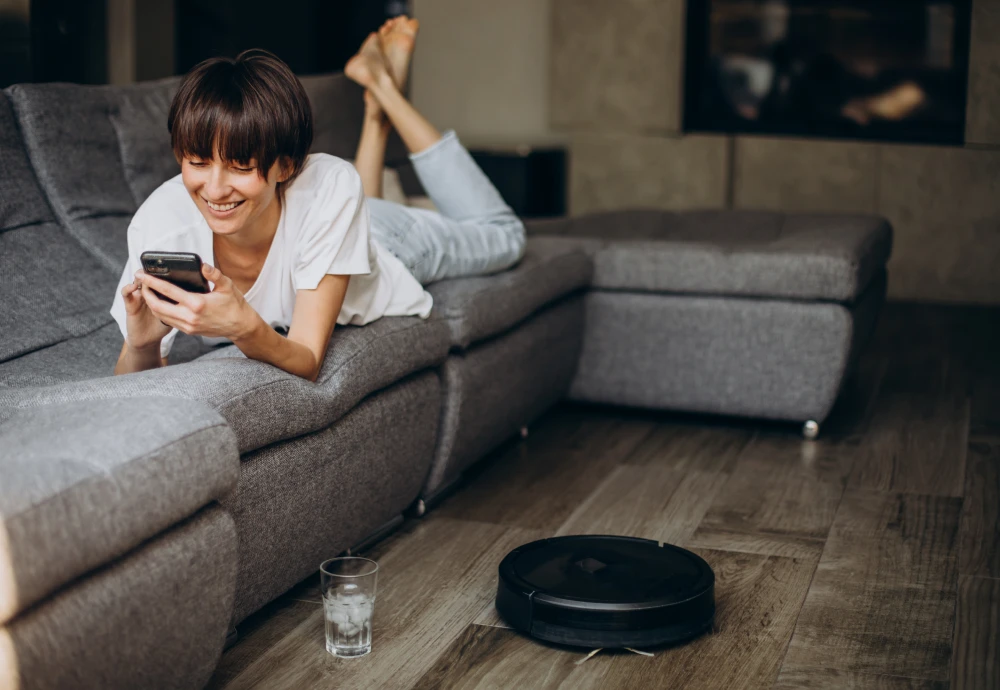
Frequency matters as much as filtration for sensitive households. Allergens resettle continuously, so weekly cleaning leaves days of accumulation between sessions. Automated daily runs keep levels consistently lower without any physical effort. A vacuum for allergies that runs on a schedule removes the temptation to skip cleaning on bad days. Program sessions while you are out to avoid breathing any dust the process disturbs. Automatic dust collection further limits exposure, since you rarely open a dusty bin. Sealed base bags trap debris until disposal, reducing the clouds that manual emptying releases. Owners appreciate returning home to freshly cleaned floors without lifting a finger. One reviewer said quiet operation lets it run without disturbing anyone at home. Routine, not intensity, delivers lasting relief.
Beyond the Floor
Floors matter, but overall indoor air quality depends on several connected factors. Ventilation dilutes indoor pollutants, so open windows on low-pollen days when possible. Air purifiers with quality filters capture particles that floor cleaning cannot reach. Humidity control helps, since dust mites thrive in damp environments above roughly fifty percent. Wash bedding weekly in hot water to remove mites and dander. Keep pets out of bedrooms if their dander triggers symptoms. Remove shoes at the door to reduce tracked-in pollen and dirt. Choose washable rugs and curtains that can be cleaned regularly. Combined with daily vacuuming, these habits create a noticeably healthier environment. A whole-home approach brings the best results.
A Vacuum for Allergies in Every Season
Allergy triggers shift throughout the year, so cleaning routines should adapt accordingly. Spring brings tree pollen drifting through open doors and clinging to clothing. Summer grass pollen and humidity can increase dust mite activity indoors. Fall adds ragweed and decaying leaves tracked inside on shoes. Winter keeps windows closed, concentrating dust and dander inside heated rooms. Increasing robot runs during peak seasons offers practical allergy relief at home without extra effort. Use the app to target entryways and bedrooms more frequently when symptoms flare. Wipe the robot’s sensors and brushes more often during heavy pollen periods. Track symptoms alongside cleaning schedules to identify what helps most. Anyone with serious symptoms should also ask a doctor about a broader treatment plan.
Picking a Vacuum for Allergies Wisely
Start with filtration quality, confirming ratings rather than relying on vague marketing terms. Look for sealed dust collection that minimizes contact with debris. Consider automation, since daily cleaning outperforms occasional deep sessions for allergen control. Check app scheduling and room targeting, which let you focus on bedrooms and entryways. This model combines high-efficiency filters, automatic dust collection, and 2700Pa suction. Lidar mapping ensures consistent coverage throughout every scheduled run. It holds a perfect 5.0 rating across 34 reviews, with several owners mentioning fresher-feeling air. Select the US plug option at checkout to ensure compatibility. To review filter details and specifications, check the product page before deciding. Cleaner floors can make every breath feel lighter.