4k Home Cinema Projector Buying Tips for a More Immersive Movie Experience
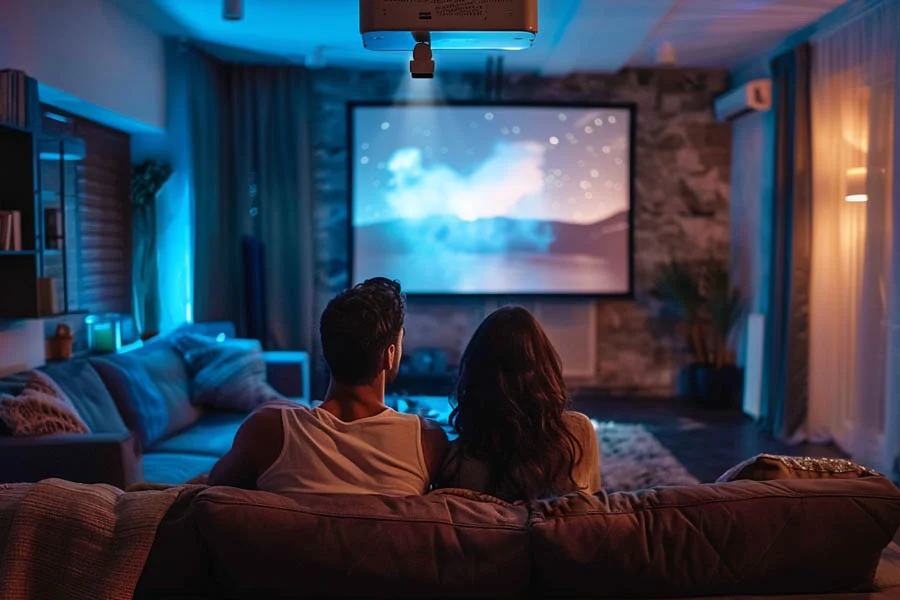
4k home cinema projector often appeals to shoppers seeking an immersive viewing experience on a flexible screen size while managing room brightness, throw distance, sound, and source compatibility. Practical needs should outrank impressive but unused extras. This article examines design character, category language, and first-impression fit. Start with your space, routine, and expected use. Consider how screen placement, focus, connectivity, and light control shapes daily operation. A good match supports clear, enjoyable images under realistic room conditions without extra work. It should suit households building a dedicated or flexible media space during regular use. The goal is to translate a broad search phrase into practical room and lifestyle requirements. The Ultra HD 4K Beam Projector for Home Theater provides a useful category reference. The sections create a practical framework for fit and value. Clear priorities also make future comparisons faster and more consistent.
Why 4k Home Cinema Projector Deserves a Practical Look
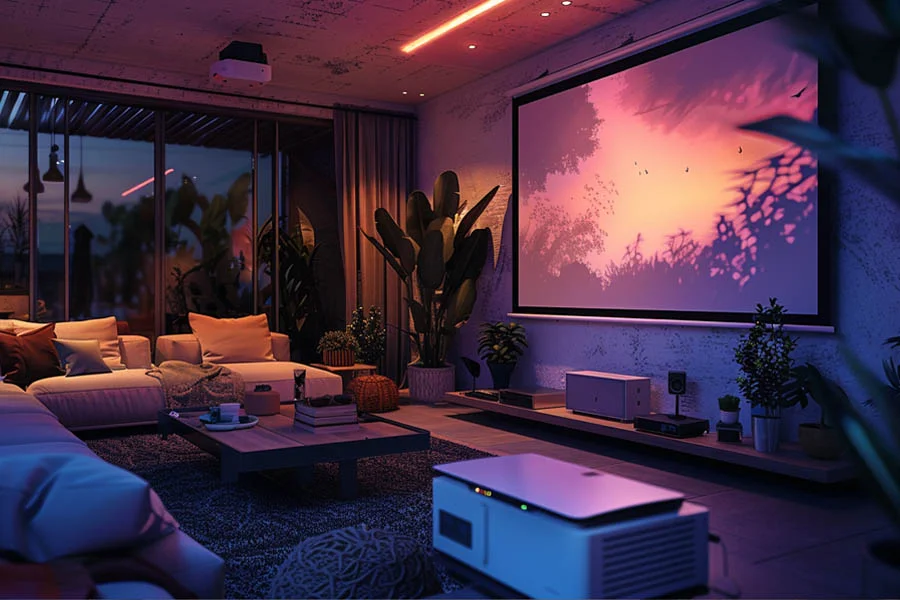
Define the desired outcome before comparing products. Buyers often seek an immersive viewing experience on a flexible screen size alongside movie-night scale without a permanent large television. The balance changes between daily and occasional use. A home cinema display clarifies visual and functional expectations. Meanwhile, large screen movie setup highlights lasting ownership details. Look beyond marketing language and study ordinary use. Small differences in controls, materials, or access reshape ownership. Choose features that solve recurring problems. This focus reduces spending on unused capability. It supports a fair design and search intent comparison. Write those priorities down before browsing, so persuasive visuals do not replace the practical standards established at the beginning of your search.
How 4k Home Cinema Projector Fits Everyday Routines
Daily routines reveal quality better than promotional images. Review normal use, including access, positioning, preparation, and any controls. Then consider the care, adjustment, storage, or reset tasks that follow. The phrase projector throw distance highlights one expectation worth comparing. Likewise, ambient light control reveals another relevant buying consideration. Ergonomic friction quickly becomes an ownership complaint. Clear controls often beat complicated feature menus. Households with households building a dedicated or flexible media space should consider shared use. A strong routine feels predictable and easy to repeat. Then advanced functions become helpful rather than distracting. Test the imagined routine against a busy weekday, because convenience matters most when time, attention, energy, and patience are limited at home.
Features That Shape Comfort and Performance
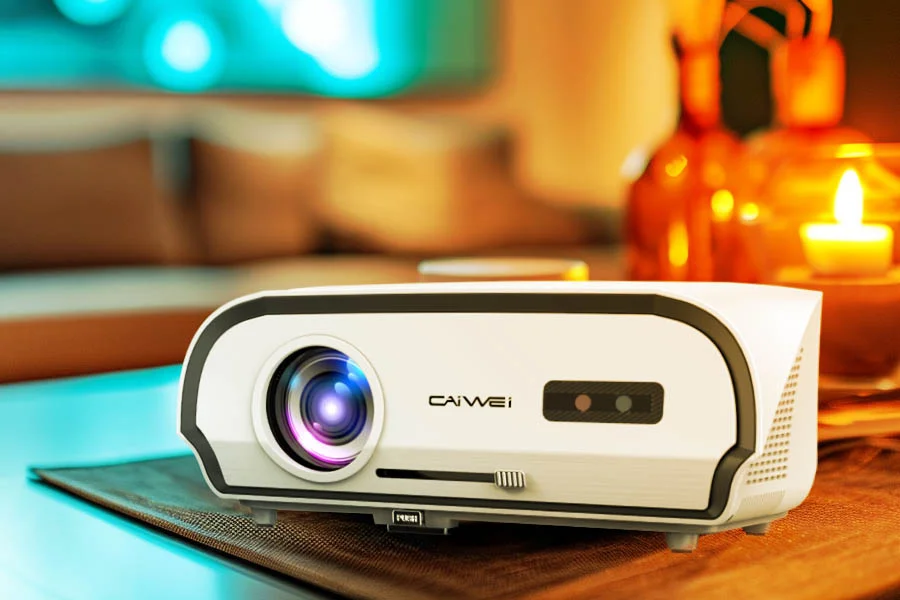
Judge performance under realistic conditions, not dramatic promotion. Review capacity, dimensions, power, and support before upgrades. A streaming source connection defines expected core capability. By contrast, wall projection planning reveals practical tradeoffs. Materials shape appearance, durability, cleaning, and aging. Controls should remain clear for every regular user. Noise, heat, airflow, movement, or light may affect routines. Review the Ultra HD 4K Beam Projector for Home Theater against these priorities. Compare its concept with your actual conditions. Measured evaluation beats the longest specification sheet. Use the same conditions for every comparison, so premium language cannot distract from meaningful differences in daily performance and ownership.
Planning Space for 4k Home Cinema Projector
Space planning protects performance and comfort. Measure the full operating area, not only the footprint. Include doors, cords, ventilation, paths, and maintenance access. A surround audio pairing may require an unexpected layout. Similarly, media room equipment needs safe, convenient placement. Poor visual scale can disrupt the room. Check outlets, support, floors, drainage, or weather exposure. Plan storage for accessories, parts, and cleaning supplies. These checks reinforce design character, category language, and first-impression fit before delivery. Thoughtful placement prevents returns from overlooked setup needs. Sketch the layout before ordering, including movement around the product, because a workable footprint often differs from a listed dimension.
Care, Setup, and Ownership Habits
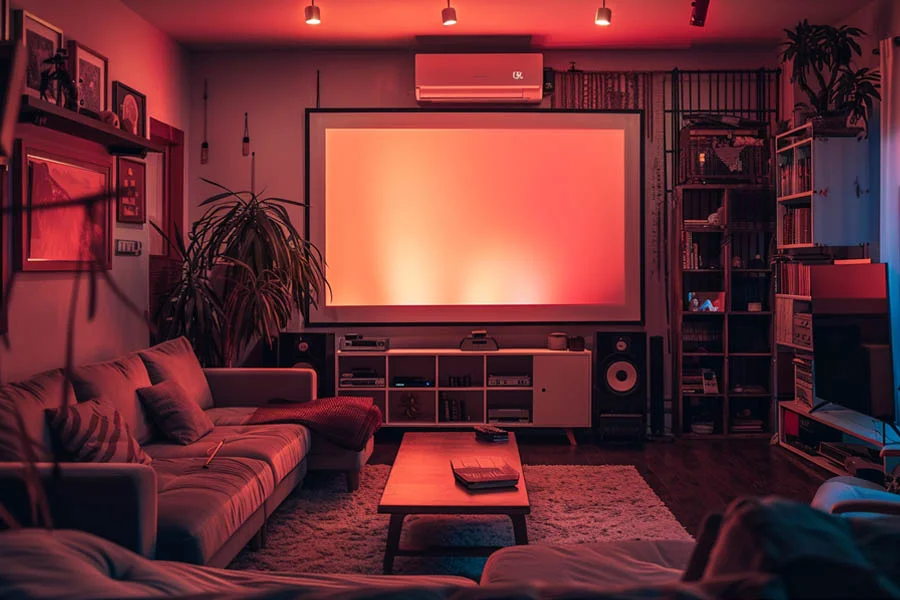
Ownership improves when care fits sustainable habits. Read instructions before setup, cleaning, charging, or storage. The topic of focus and keystone setup benefits from a nearby checklist. Regular attention to cinematic viewing space supports performance and appearance. Use compatible supplies and follow published care guidance. Address residue, wear, or loose parts early. Assign routine checks and keep instructions accessible. Good care cannot correct a poor fit. Include maintenance in the buying decision. A realistic plan keeps movie-night scale without a permanent large television achievable. A small recurring task usually feels easier than an occasional deep cleanup that requires extra time, tools, and troubleshooting.
Choosing 4k Home Cinema Projector With Confidence
Connect final features with weekly outcomes. Rank each priority as essential, helpful, or optional. The idea of portable entertainment display may lead a comfort-focused purchase. Another buyer may value projector screen selection for flexibility. Compare warranties, returns, supplies, and support before ordering. Read details carefully when search language stays broad. The strongest option matches space, routine, and maintenance. It should deliver an immersive viewing experience on a flexible screen size without harming room brightness, throw distance, sound, and source compatibility. Consider the Ultra HD 4K Beam Projector for Home Theater against this checklist. Clear expectations improve the chance of lasting satisfaction. Keep the completed checklist with your order records, since it can guide installation, first use, maintenance, and future support questions.








Leave a comment
You must be logged in to post a comment.