Where App Controlled Litter Box for Cats Fits Naturally into a Thoughtful Setup
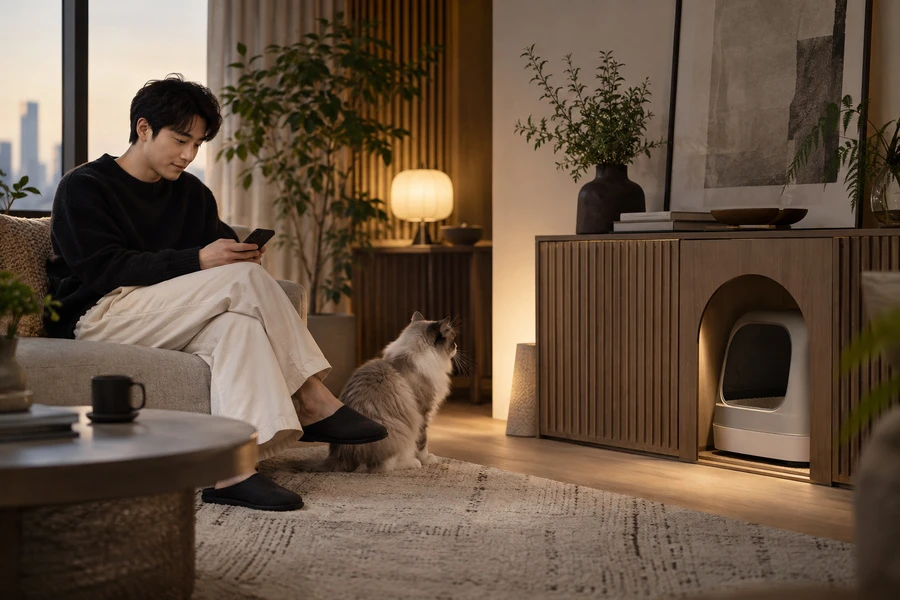
Everyday products often reveal their value slowly, through small improvements that become noticeable only after they are repeated for several weeks. The app controlled litter box for cats is worth considering from that angle because it brings together automatic cleaning modes that reduce the need for manual scooping and reducing repetitive litter maintenance in busy households in a format meant for regular use. A feature list can explain what is included, but it cannot fully show how those details affect comfort, organization, timing, or the atmosphere of a routine. Thinking in terms of real scenarios makes comparison more useful and helps separate meaningful functionality from attractive extras. That approach is particularly helpful for people who want year-round indoor cat care to feel simpler, more comfortable, or more intentional.
The Details That Shape the Experience
Style matters most when it supports the room or routine instead of competing with it, and that makes context more important than following a single design trend. Automatic cleaning modes that reduce the need for manual scooping, allowing the product to contribute a clear visual identity while remaining connected to practical use. Pairing it with quieter surrounding elements can make the materials or silhouette feel intentional, while a more expressive setting can use the same piece as a focal point. Either approach works better when color, scale, and nearby textures are considered together rather than separately. The multi cat litter solution can therefore be judged not only by what it does, but by how naturally it supports combining automatic cleaning with remote status information.
Planning Around App Controlled Litter Box for Cats
Start with the physical and practical context, because even a strong product can feel inconvenient when it is placed or configured without enough thought. An ionic deodorization system intended to reduce litter odors, which means the surrounding setup should leave room for comfortable access and natural use. In practice, that often involves measuring the available area, considering nearby furniture or equipment, and deciding which functions need to remain reachable every day. The goal is not to create a showroom arrangement, but to support making it easier to monitor litter status when owners are away in a way that survives ordinary household habits. A useful reference point is the app monitored litter box, since the product page shows the features that should shape those placement decisions.
Why App Controlled Litter Box for Cats Works for Litter Compatibility
Materials and construction influence more than appearance because they affect touch, stability, maintenance, and the way a product ages within a familiar setting. A large 65-liter capacity and low-noise operation, adding a functional reason to notice the design instead of treating it as decoration. The best match will depend on whether the owner values portability, a substantial feel, easy repositioning, or a visual texture that complements the rest of the space. It also helps to think about how surfaces will be handled, cleaned, and exposed during repeated small apartments. These questions make the 65 liter litter system easier to evaluate as an everyday object rather than a product viewed only through promotional photography.
What App Controlled Litter Box for Cats Changes in Daily Use
Daily usability depends on how quickly a product moves from intention to action, especially when the same task appears every morning, evening, or weekend. App control with usage, fullness, and cleaning-setting updates, so the design is most useful when that feature aligns with how the household actually behaves. Someone focused on multi-cat homes may value a different aspect than someone using the same product mainly for busy workweeks, even though both benefit from the same core construction. This is why practical comparison should include the time, effort, and small adjustments required during normal use rather than only the first setup. When those details are considered together, supporting multi-cat routines with a larger-capacity system becomes a more realistic measure of value than novelty alone.
A More Thoughtful Ownership Routine
A good buying decision also requires knowing which specifications matter personally and which are simply interesting on paper. One household may care most about making it easier to monitor litter status when owners are away, while another gives higher priority to managing odor as part of the cleaning cycle because its routine creates different pressures. Comparing dimensions, compatibility, materials, capacity, controls, or included components against those priorities makes the final choice more defensible. It is equally important to consider where the product will stay when it is not actively used, because storage and visual footprint affect satisfaction long after delivery. This kind of comparison helps owners choose with fewer assumptions and a clearer picture of how the product will support multi-cat homes.
Getting More Value from App Controlled Litter Box for Cats
The final test is whether the product continues to make sense after the first impression fades and ordinary habits take over. By then, owners can judge how well it supports year-round indoor cat care, how naturally it fits around small apartments, and whether the promised convenience remains useful. The app controlled litter box for cats is strongest when its practical features match those real priorities instead of forcing a routine to bend around the product. That is why dimensions, materials, controls, capacity, and care requirements deserve attention before purchase rather than after delivery. A thoughtful choice can then become part of everyday life for the right reasons, supporting combining automatic cleaning with remote status information with less friction and more confidence.