Roaring Twenties Glamour, Rewired: The Art Deco Chandelier Returns
Picture a dinner party in 1928, full of jazz records, clinking glasses, and light bouncing off polished surfaces. That era gave the world a design language built on confidence, symmetry, and a little swagger. Nearly a century later, the art deco chandelier is enjoying a quiet but unmistakable comeback. Homeowners want glamour again, though they prefer it lighter and less theatrical than the originals. Designers have responded by distilling the style down to its essentials of rhythm, metal, and sparkle. The results feel fresh in apartments, suburban dining rooms, and renovated farmhouses alike. This article explores where the look came from and why it suits current homes so well. It also covers buying details that separate a lasting piece from a passing impulse. One crystal branch design will serve as a working example throughout. Consider it an invitation to bring a little Gatsby energy home.
Where the Art Deco Chandelier Began
Art Deco emerged in Paris during the 1920s and spread quickly across Europe and America. It celebrated machines, speed, and new materials, yet it never abandoned luxury. Architects applied its stepped forms to skyscrapers, ocean liners, cinemas, and hotel lobbies. Lighting became a natural showcase, since electricity itself still felt thrilling and new. Fixtures from that period used chrome, glass, and gilded metal arranged in bold, repeating patterns. Collectors still hunt for original pieces, and vintage light fixtures from the era command impressive prices. Most homeowners, however, prefer new wiring and reliable parts over fragile antiques. Contemporary reinterpretations offer that peace of mind while keeping the spirit intact. They borrow the confidence of the originals without copying every ornate detail. History, in this case, works as inspiration rather than a strict template.
Geometry, Gold, and Glass
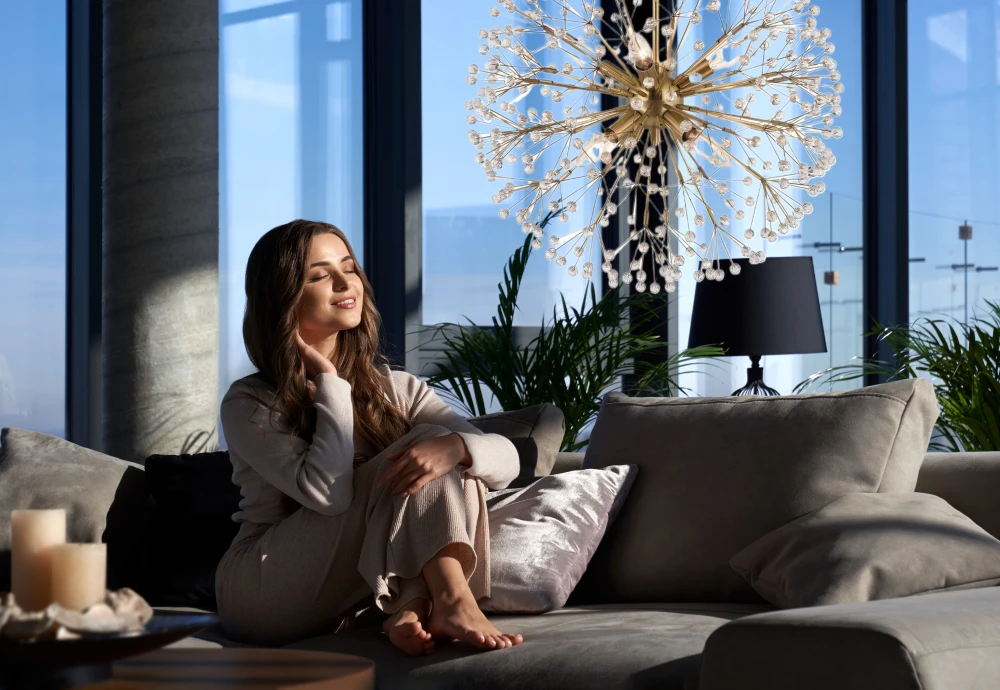
Three ingredients define the look, and each one deserves attention when you evaluate a fixture. Geometry comes first, expressed through radiating lines, fan shapes, or repeated angles. Gold or brass tones follow, adding warmth that softens all that structure. Glass or crystal completes the trio by turning ordinary bulbs into scattered points of light. Good art deco lighting balances all three so that no single element dominates. The Majesticor branch design interprets this formula through an organic lens. Its iron arms radiate outward like a starburst, a motif Deco artists adored. Small crystals at each tip supply the glitter, while the gold finish supplies the glow. Together they create rhythm without rigidity, which keeps the piece from feeling like a museum reproduction. That subtle twist makes it easier to live with every day.
Bringing an Art Deco Chandelier into a Modern Home
You do not need lacquered cabinets or a cocktail bar to make this style work. Deco accents shine brightest when they meet calm, uncluttered surroundings. A neutral wall, a simple wood table, and upholstered chairs give the fixture room to perform. Many fans of art deco interior design repeat one geometric motif elsewhere, perhaps in a rug or mirror frame. That echo connects the ceiling to the floor and makes the room feel deliberate. Rich colors such as emerald, navy, or deep plum amplify the gold finish beautifully. Velvet, marble, and smoked glass extend the mood without requiring a full renovation. Keep accessories edited, though, because too many references quickly tip into costume. One strong statement overhead usually says more than ten small nods around the room. Restraint, surprisingly, is what makes glamour feel modern.
Spotting Quality Before You Buy
Glamorous photos can hide flimsy construction, so look beyond the product images. Solid metal frames resist bending and hold crystals securely over many years of use. This model uses an iron framework, which offers more rigidity than thin aluminum alternatives. Shoppers who love the warmth of a brass light fixture will appreciate its gold-toned finish. Check the available sizes against your room before ordering, since scale influences everything. Here you can choose between 19.7 inches and 23.6 inches in diameter. Confirm voltage as well, and this fixture runs on standard 110V household current. Reviews offer useful clues, especially comments about assembly time and included spare crystals. Several buyers mention that attaching crystals takes patience but rewards the effort handsomely. Reading those details now prevents surprises when the box arrives.
Styling Around an Art Deco Chandelier
Once the fixture is hanging, the surrounding room deserves a little fine-tuning. Start with the table, because its shape should complement the circular spread of the branches. Round or oval tables mirror the silhouette especially well, though rectangular tables also work with careful centering. A runner, a low floral arrangement, or a pair of candlesticks adds layers without blocking sightlines. Walls benefit from art with strong lines, such as framed architectural prints or abstract geometry. If you entertain often, an art deco chandelier on a dimmer lets you shift from bright prep to moody dessert. Mirrors placed opposite the fixture double the sparkle and visually enlarge smaller rooms. Avoid hanging competing pendants nearby, because two showpieces fight for attention. Let the ceiling lead, and let everything else play a supporting role. That hierarchy keeps the space elegant rather than crowded.
An Art Deco Chandelier for Everyday Celebrations
The original Deco movement was about optimism, and that spirit translates beautifully to daily life. Weeknight dinners feel slightly more special when the light overhead carries a sense of occasion. Birthdays, anniversaries, and holiday meals gain a glow that photographs remarkably well. Even quiet evenings with a novel benefit from dimmed crystal light scattering across the ceiling. Owners frequently say their guests comment on the fixture before anything else in the room. That reaction reflects how strongly design can shape memories of a home. Investing in one memorable piece often delivers more joy than several forgettable ones. The branch design achieves that impact at a size that suits real rooms rather than grand ballrooms. To compare both sizes and finish details, explore the fixture here and picture it above your table. Your own roaring twenties moment might begin tonight.