A Modern Chandelier That Doubles as Sculpture
Ask ten designers to define contemporary lighting, and you will hear ten different answers. Most of them agree on one point, though: the fixture should feel light, honest, and purposeful. A modern chandelier fits that brief when it trades fussy ornament for confident shape. It still delivers drama, but the drama comes from silhouette rather than sheer quantity. Homeowners respond to this shift because their rooms have changed too. Open kitchens and smaller footprints demand fixtures that work hard without crowding anything. Branch-inspired designs answer that demand especially well, blending natural forms with crisp metalwork. In the sections ahead, you will see how to judge proportion, finish, and installation details. You will also meet one Art Deco-inspired piece that bridges classic glamour and current taste. Think of it as a practical tour rather than a sales pitch.
How a Modern Chandelier Breaks the Old Rules
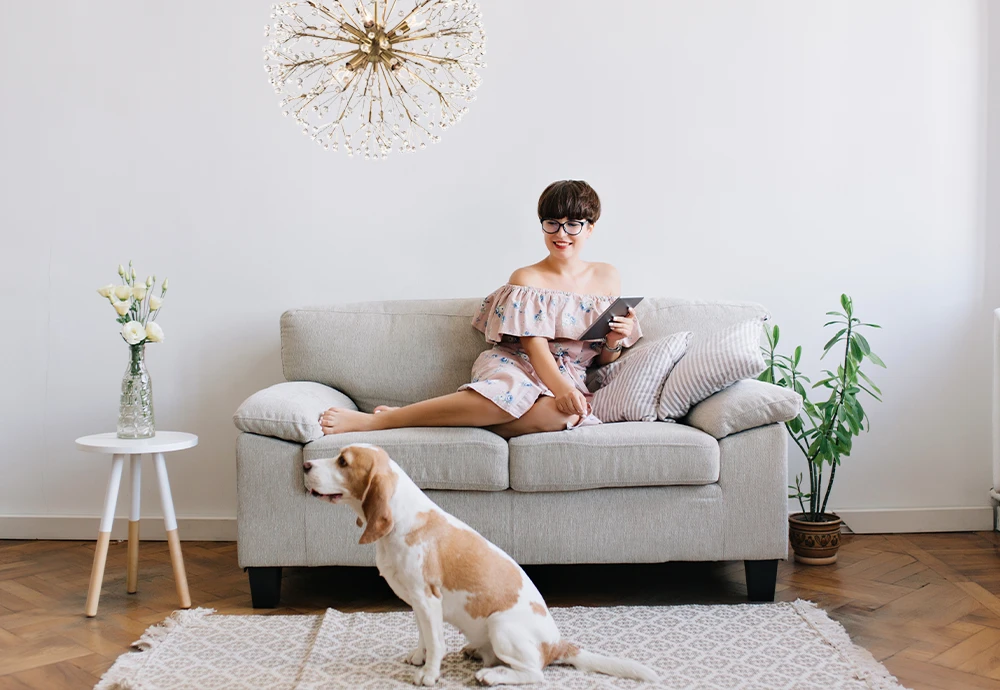
Traditional fixtures relied on symmetry, layered tiers, and a strong sense of formality. Contemporary designs loosen those rules and invite a little asymmetry into the room. Arms may reach outward at different angles, much like branches seeking sunlight. Materials stay honest, with iron, brass, or matte black left visible rather than hidden. Many shoppers browsing contemporary light fixtures notice that the best options still borrow from history. Art Deco, in particular, lends geometry and glamour without demanding period furniture. The branch design from Majesticor shows this blend clearly, pairing an organic frame with crisp crystal tips. Its gold finish nods to the 1920s, while its open structure feels entirely current. That mix lets the fixture sit comfortably beside mid-century chairs or a sleek marble table. Rules still matter, but they now serve the room instead of ruling it.
Clean Lines Meet Crystal Detail
Some assume crystal and minimalism cannot share a ceiling, yet restraint makes the pairing work. Small crystals placed at branch tips act like punctuation rather than whole paragraphs. They catch light and scatter it, but they never bury the frame beneath glitter. This produces a quieter sparkle that suits rooms with plain walls and simple furniture. Designers often call this approach jewelry for the ceiling, and the comparison fits well. Just as one good necklace beats a pile of bracelets, one focused accent beats excess. The effect becomes especially striking in the evening, when shadows stretch across the ceiling plane. Even unlit, the silhouette adds texture to a room that might otherwise feel flat. Balance, then, is the real secret behind successful contemporary glamour. Get that balance right, and every other choice becomes easier.
Matching a Modern Chandelier to Your Decor
Finish should echo something already present in the room, such as cabinet hardware or picture frames. Gold tones pair well with warm woods, cream upholstery, and green or navy walls. If your space leans cooler, a gold fixture can introduce welcome warmth without clashing. Size also shapes the overall impression, so measure your table and ceiling before deciding. This fixture comes in 19.7-inch and 23.6-inch diameters, which suit most dining and breakfast areas. In larger open spaces, it can anchor living room lighting above a seating group or reading corner. Consider sightlines from the front door, because the fixture often becomes the first thing visitors notice. Repeat its metal tone once or twice elsewhere for a pulled-together look. Avoid matching everything exactly, since perfect uniformity can feel like a showroom. A little contrast keeps the room personal and lived-in.
Open-Plan Homes and Layered Light
Open layouts complicate lighting because one zone flows directly into the next. A single decorative fixture should define its area while cooperating with everything around it. Recessed cans and track lights handle general brightness, leaving the centerpiece free to set the mood. This layered approach prevents the harsh, flat glare that plagues many newer homes. Island pendants, a floor lamp, and hallway sconces complete the picture. Among all ceiling light fixtures, the decorative centerpiece deserves the most thought because it carries visual weight. Keep the color temperature consistent across zones, ideally around 2700 to 3000 kelvin. Mixing warm and cool bulbs makes neighboring spaces look mismatched and slightly uncomfortable. Plan switches carefully too, so each layer works independently. Done well, layering turns one big room into several inviting places.
Installing a Modern Chandelier with Confidence
Installation sounds intimidating, but most homeowners with basic skills can manage it safely. Start by turning off the breaker, not just the wall switch, and confirm the power is dead. Check that your ceiling box can support a hanging fixture, since some older boxes only hold lightweight lamps. The branch design runs on standard 110V power, so it connects like most American fixtures. Attaching the crystals takes patience, and several owners describe it as relaxing rather than difficult. Set aside an unhurried hour, lay the crystals on a towel, and work methodically. Once wired, pair the fixture with dimmable lights and a compatible dimmer switch for full control. If anything feels uncertain, a licensed electrician can finish the job quickly. An hour of help costs far less than repairing a mistake. Safety, as always, outranks speed.
Why a Modern Chandelier Ages Well
Trends come and go, so it is fair to ask whether a purchase will still look good in ten years. Fixtures built on strong shapes and honest materials tend to survive changing fashions. Branch forms draw on nature, which never truly goes out of style. Art Deco geometry has already returned several times over the past century, proving its staying power. Crystal, meanwhile, has signaled celebration for generations and shows no sign of fading. Combine those elements, and a modern chandelier becomes less a trend than a long-term companion. It can move with you to a new home or shift from dining room to bedroom. That flexibility protects the value of the purchase over many years. If this balance of glamour and simplicity appeals to you, explore the design in detail before deciding. A thoughtful choice today will keep rewarding you every evening.