Is an Electric Lawn Mower Finally Better Than Gas?
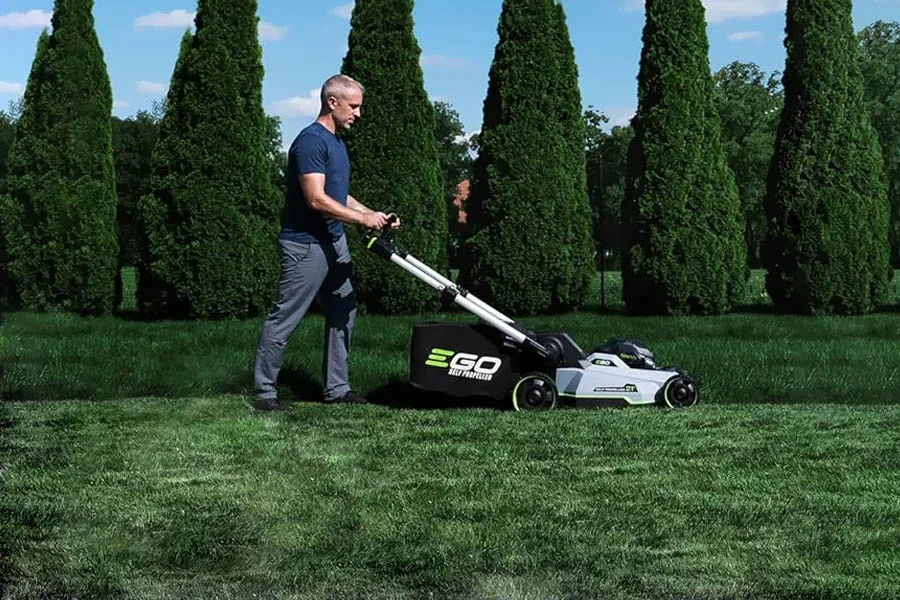
For decades, electric mowers carried a reputation as underpowered toys tethered to orange extension cords. That image has faded quickly as lithium batteries and efficient motors matured. Today, an electric lawn mower can rival mid-range gas machines in cutting power and beat them on convenience. Retailers now dedicate entire aisles to battery equipment, while gas models occupy shrinking shelf space. Homeowners have noticed, and search interest in electric mowing peaks reliably every spring. Still, a smart buyer wants evidence rather than marketing enthusiasm. This article compares costs, features, and daily experience with a clear and practical eye. It draws on a 21-inch, 56-volt cordless model and the feedback of its owners. You will see where electric clearly wins and where gas still holds ground. Then the decision becomes yours to make.
The Electric Lawn Mower Has Grown Up
Early corded designs limited range, tangled around trees, and struggled with anything beyond short grass. Battery technology removed the cord, while higher voltages delivered the torque earlier models lacked. Modern 56-volt systems spin blades with authority, even through thick summer growth. Owners comparing electric vs gas mower performance often discover the gap is far smaller than expected. One reviewer said this model cut evergreen roots and onion grass in a single pass. Another wrote that it handled Bermuda grass without slowing in the densest areas. A few still prefer premium gas machines for the very finest finish. Most, however, agree the gain in convenience easily outweighs any marginal difference. The technology has simply matured faster than its reputation. Perception is finally catching up.
Counting the True Costs
Sticker prices tell only part of the story when comparing mowers. Gas machines often cost less upfront, yet they consume fuel, oil, filters, and spark plugs every season. Routine lawn mower maintenance for gas engines also includes carburetor cleaning and occasional repair visits. Battery models skip almost all of that, leaving only blade sharpening and deck cleaning. Electricity to recharge a pack costs very little compared with weekly fuel purchases. Batteries eventually wear out, but quality lithium packs typically last several seasons. This mower’s recommended 7.5Ah battery is sold separately, so include it in initial budgeting. Owners who already have compatible packs can save on that portion. Over three to five years, total ownership costs often favor electric. Doing the math reveals the clearer picture.
Features That Set an Electric Lawn Mower Apart
Battery platforms enable conveniences that gas engines struggle to match. Push-button starting replaces the pull cord, which matters to anyone with shoulder or back concerns. Variable speed drive adjusts from 0.9 to 3.1 miles per hour with a simple touch control. Three cutting modes let you mulch, bag, or side discharge without changing machines. The deck adjusts across seven heights, ranging from 1.5 inches to 4 inches. LED headlights illuminate the path when evening mowing becomes necessary. An electric lawn mower like this one also weighs just 54.5 pounds, easing turns around beds and trees. Quiet operation means early mowing no longer bothers sleeping neighbors. Each detail removes a small frustration from routine yard work. Together, they redefine what convenience means.
Storage and Everyday Convenience
Garage space is precious, and traditional mowers claim a surprising amount of it. Gas machines must stay level to avoid leaking fuel and oil, so they sprawl across the floor. Battery mowers avoid that limitation, since there is no liquid to spill. This model folds and stands upright, a major win for smarter lawn mower storage in crowded garages. One owner called vertical storage a huge space saver that changed how the garage felt. Batteries come out for indoor charging, protecting them from extreme temperatures. Without fumes, the mower can even live in a shed attached to the house. Cleaning becomes easier too, since there is no engine grime to scrub away. These everyday advantages rarely make headlines, yet owners mention them constantly. Convenience compounds over many seasons.
Who Benefits Most from an Electric Lawn Mower
Suburban homeowners with lawns under half an acre gain the most from switching. Older adults appreciate the lighter weight and the absence of pull cords and fuel cans. Busy parents value quiet operation that lets them mow during nap time or early mornings. Environmentally minded households often build a full collection of zero emission yard tools, sharing batteries across trimmers and blowers. One reviewer praised how the same pack also powered her snow blower. People with very large properties may need spare batteries or a riding mower instead. Those mowing tall rural fields might still find gas more practical. Matching the tool to your situation always produces the happiest outcome. For most typical yards, electric clearly fits. Honest self-assessment makes the choice easy.
Bringing an Electric Lawn Mower Home
Once you decide, setup takes only a few minutes for most owners. Reviewers describe assembly as minimal, with the handle and bag attaching quickly. Charge the battery fully before the first session so you can gauge real runtime. Start at a higher cutting height, then fine-tune once you see how your grass responds. Practice using the touch drive in an open area before tackling slopes or tight corners. Within a few sessions, the controls feel natural and mowing becomes almost relaxing. Customers rate this mower 4.9 out of 5 across 52 reviews. Many say they wish they had switched years earlier. To compare specifications and battery options, see the full listing today. Your lawn may soon become the quietest one on the street.