Starlight Screenings: Taking an Outdoor Projector into the Backyard
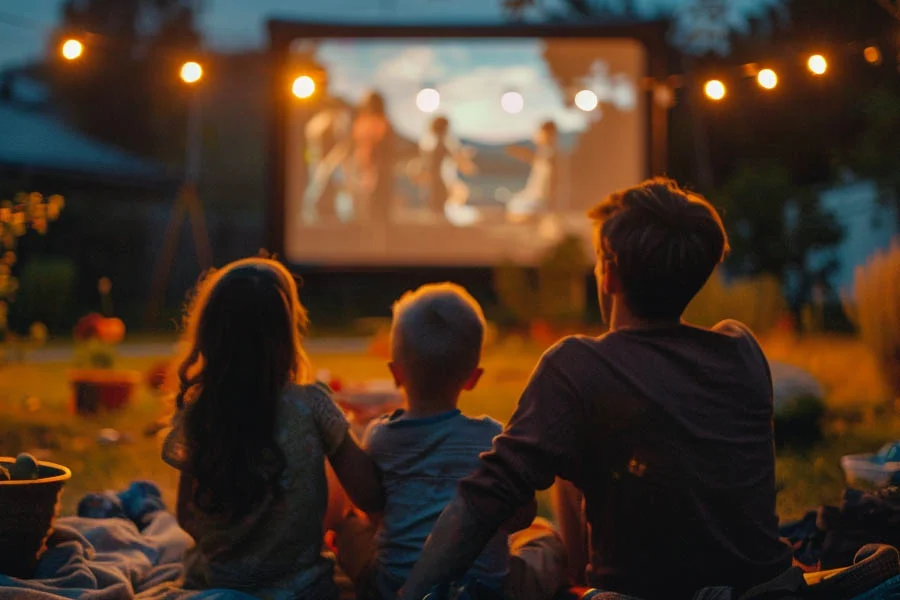
Summer evenings practically beg for activities that keep everyone outside a little longer. Few experiences match the charm of watching a film beneath open skies with friends and family. An outdoor projector makes that possible, transforming a fence, wall, or screen into a glowing cinema. Neighborhood gatherings, birthday parties, and quiet date nights all gain something special. Success depends on brightness, sound, power, and timing, along with a few creature comforts. Most home projectors, including the one featured here, are indoor devices used outdoors temporarily. That means planning for dew, insects, and safe cable routing. This article covers each consideration with practical advice. It references a full HD beam projector with 4K support, 1450 ANSI lumens, and built-in WiFi. Grab a blanket, because the backyard box office is opening.
What an Outdoor Projector Needs
Brightness matters most, since backyard darkness is rarely complete thanks to porch lights and streetlamps. This model’s 1450 ANSI lumens handle typical suburban evenings well once the sun sets. Built-in connectivity simplifies setup, and a wifi projector can stream directly without running cables from the house. This one offers dual-band WiFi 6 and Android 9.0 for streaming many apps directly. A streaming stick via HDMI covers any services missing from the built-in system. Portability helps too, letting you carry the projector out and back easily. Digital 6D keystone correction straightens images when the projector sits on an uneven table. Native 1080p with 4K support keeps pictures crisp on large screens. Owners describe setup as quick, a big plus for spontaneous evenings. The right features make outdoor screenings effortless.
Building a Backyard Screen
Projected images need a smooth, light-colored surface to look their best. A white garage door or smooth fence can work in a pinch, though textures soften detail. A dedicated outdoor movie screen delivers sharper, brighter images and sets up in minutes. Inflatable and frame-style screens suit large gatherings, while hanging sheets work for casual nights. The listing mentions an 84-inch screen included as a gift, ideal for smaller groups. Secure screens firmly with stakes or weights, since wind can turn them into sails. Position the screen with darkness behind it, avoiding bright windows or streetlights. Leave space in front for blankets, chairs, and walkways. Elevate the screen slightly so everyone sees over the heads in front. A good screen anchors the whole experience.
Outdoor Projector Sound and Power
Sound disperses quickly outdoors, so built-in speakers struggle with larger audiences. This model’s 10W speakers with Dolby Audio support work for intimate groups sitting close by. Bigger gatherings benefit from an outdoor sound system connected through the headphone output or HDMI. Position speakers near the screen so dialogue matches the action naturally. Keep volume considerate, especially in neighborhoods with nearby houses. Power requires care, so use outdoor-rated extension cords and keep connections off damp grass. Route cables away from walkways and tape them down to prevent trips. Protect electronics from sprinklers by turning automatic systems off before the event. Safety and sound quality go hand in hand outdoors. Thoughtful planning keeps the evening smooth.
Creating the Atmosphere
Comfort transforms a patch of lawn into a beloved backyard movie theater. Lay out blankets, outdoor cushions, bean bags, and a few lawn chairs for different preferences. String lights add charm before the film, then dim once the opening credits roll. Bug spray and citronella candles keep mosquitoes from stealing the spotlight. Some families even set up a clear, bug-free dome so younger viewers can watch from shelter. Serve popcorn in paper cones and drinks in spill-proof cups. Keep a basket of extra blankets ready as temperatures drop after sunset. Mark paths with solar lights so guests move safely in the dark. Small touches make guests feel pampered. Atmosphere turns a screening into an event.
Outdoor Projector Timing and Weather
Timing determines picture quality more than almost anything else outdoors. Start films roughly thirty minutes after sunset, when the sky becomes properly dark. Summer evenings start later, so plan earlier dinners and later showtimes accordingly. Check forecasts for rain, wind, and humidity before inviting guests. An outdoor projector should stay covered or indoors until the moment you need it. Dew forms quickly on cool evenings, so bring equipment inside promptly afterward. Never leave indoor electronics outside overnight or exposed to sprinklers. Wind can shake lightweight screens, making secure anchoring essential. Spring and fall offer cooler evenings with fewer insects in many regions. Good timing makes every frame shine.
Bringing Your Outdoor Projector Back Inside
After the credits roll, careful packing protects your equipment for the next screening. Let the projector cool briefly before moving it indoors. Wipe away any moisture or dust with a soft, dry cloth. Coil cables loosely to avoid damaging connectors. Store the projector in a padded case or on a shelf away from humidity. Indoors, the same device returns to duty for living room movie nights and gaming. This model holds a perfect 5.0 rating across 52 reviews, with families praising picture quality and easy setup. Its 50,000-hour light source supports years of indoor and outdoor screenings. Choose the US plug at checkout for proper compatibility. To compare colors and specifications, check the full listing before planning your first backyard premiere.