Beyond the Selfie Stick: Picking a Drone with Camera Smarts
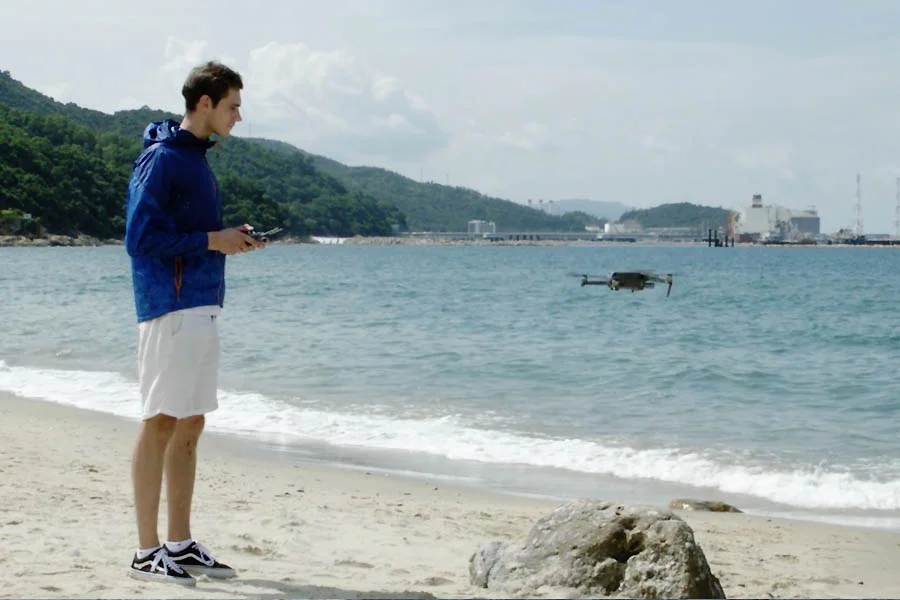
Smartphones transformed everyday photography, yet they remain stuck at arm’s length. A drone with camera capabilities lifts your perspective hundreds of feet, revealing patterns invisible from the ground. Coastlines, forests, cities, and family gatherings all look different from above. The category ranges from palm-sized toys to professional aircraft with large sensors. Choosing well means balancing image quality, safety features, portability, and budget. Smart flight modes now handle tasks that once required years of practice. This article explains which features genuinely improve results and which merely sound impressive. It references a folding Hasselblad-equipped drone the listing identifies as the Mavic 2 Pro. Practical tips for travel, safety, and legal flying appear throughout. Your next adventure might look better from the sky.
What Makes a Drone with Camera Worth Owning
Image quality starts with the sensor, and larger sensors deliver cleaner, richer pictures. A serious camera drone also needs a stabilized gimbal that smooths vibrations and wind buffeting. This model uses a three-axis gimbal with a Hasselblad camera and a 1-inch CMOS sensor. It records 4K HDR video and captures detailed stills suitable for large prints. Reliable transmission matters too, letting you frame shots confidently on your phone or controller. OcuSync 2.0 provides a stable live feed with automatic frequency switching. Flight time determines how many compositions you can try per outing. Up to 31 minutes per battery allows relaxed shooting rather than rushed attempts. Together, these elements separate creative tools from novelties. Quality pays off on every flight.
Flying Safely Around Obstacles
Crashes rank as the most common way new pilots lose their drones. Trees, power lines, and buildings appear closer on screen than reality suggests. Reliable obstacle avoidance uses sensors to detect objects and stop or reroute the aircraft. This model offers omnidirectional obstacle sensing, watching in multiple directions during flight. GPS stabilization holds position when you release the sticks, reducing panic moments. Return-to-home features bring the drone back if the signal drops or the battery runs low. Sensors work best in good light, so fly cautiously at dusk or in dim conditions. Thin branches and wires can still evade detection, requiring attentive piloting. Safety features reduce risk but never replace good judgment. Careful pilots keep their drones longer.
A Drone with Camera That Follows You
Tracking features turn solo adventures into cinematic sequences without a second operator. A follow me drone locks onto a subject and keeps it framed as it moves. This model includes ActiveTrack 2.0, which follows cyclists, hikers, runners, and vehicles. A drone with camera tracking lets you focus on the activity while the aircraft handles filming. Select your subject on screen, choose a tracking mode, and start moving. Keep paths open and avoid dense forests where obstacles crowd the flight path. Test tracking in open fields before relying on it during important moments. Combine tracked footage with static aerial shots for varied, engaging edits. Families love capturing beach walks and bike rides from above. Automation brings professional shots within reach.
Packing for the Road
Portability determines whether a drone actually leaves the house. A good travel drone folds compactly and fits into a backpack alongside clothes and snacks. This model folds its arms against the body, making it easy to carry on hikes and road trips. Pack spare batteries, since remote locations rarely offer charging options. Bring a small landing pad to protect the camera from dust and grass. Check airline rules for lithium batteries, which usually must travel in carry-on luggage. Research local drone laws before international trips, since regulations vary widely. Remote campsites and a well-planned glamping escape make wonderful backdrops for aerial photos. Always respect wildlife, crowds, and protected areas. Prepared travelers capture the best views.
Learning to Fly a Drone with Camera
Every skilled pilot started with cautious hovering in an empty field. Begin in beginner mode, which limits speed and altitude while you learn the controls. Practice takeoff, landing, and simple box patterns before attempting cinematic moves. Learn how the aircraft responds to wind by flying on calm and breezy days. Study the app’s settings, including return-to-home altitude and obstacle sensing options. US pilots must register this model with the FAA, since it weighs more than 250 grams. Recreational flyers also need the free TRUST certificate before their first flight. Update firmware to enable Remote ID broadcasting, which registered drones require. Keep the aircraft within visual line of sight at all times. Skill grows with each patient session.
Choosing a Drone with Camera Wisely
Start by listing the photos and videos you most want to create. Landscape photographers benefit from large sensors and RAW files. Adventure filmmakers value tracking modes, obstacle sensing, and long flight times. Travelers prioritize folding designs and battery efficiency. This model offers a 1-inch Hasselblad camera, 4K HDR video, 31-minute flights, and omnidirectional sensing. Older models can have limited accessory availability, so confirm spare batteries and parts before purchasing. Budget for registration, training, and protective accessories. Consider insurance if you plan commercial work or frequent travel. To review full specifications, see the drone in detail before deciding. The right choice opens a new world of perspectives.