Moisture the Natural Way: How an Evaporative Humidifier Works
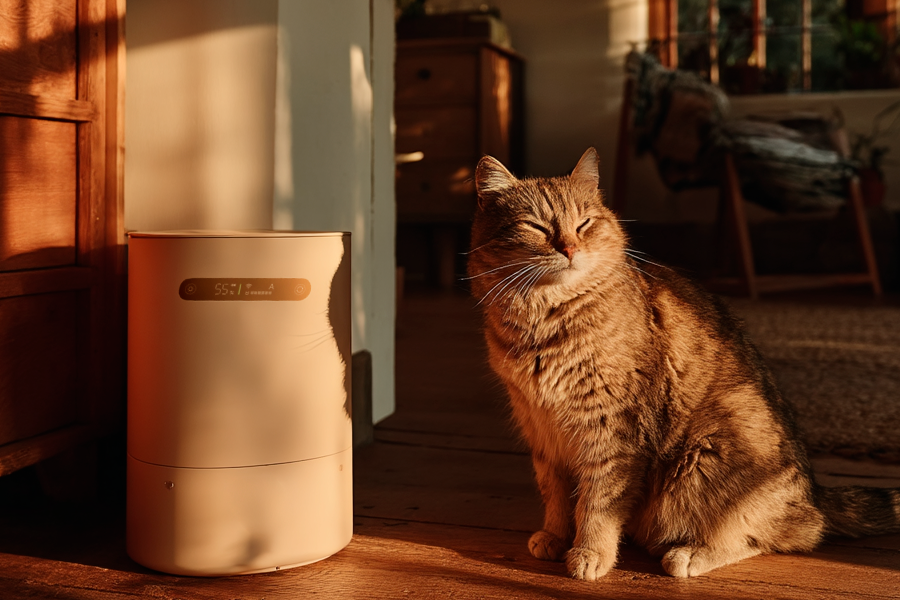
Winter heating, desert climates, and air conditioning all strip moisture from indoor air. Dry rooms can leave skin tight, lips chapped, and throats scratchy by morning. An evaporative humidifier restores that missing moisture using one of the simplest principles in nature. A fan pushes air across a wet wick, and water evaporates invisibly into the room. No visible mist, no heating element, and much less fine mineral dust settle on furniture. The process also tends to regulate itself, since evaporation slows as air grows more humid. This article explains how the technology works and how it compares with other types. It references a 4-liter smart model with app control, an automatic mode, and a self-cleaning function. Owners rate it 5.0 out of 5 across 51 reviews. Comfortable air may be simpler than you think.
The Science Behind an Evaporative Humidifier
Evaporation happens constantly around us, from drying laundry to morning dew disappearing. This technology simply speeds up that natural process indoors. Water from the tank soaks into an absorbent wick or filter. A quiet fan draws dry room air through the damp material. Moisture evaporates into the passing air, raising room humidity gradually. The result is invisible, room-temperature moisture similar to a cool mist humidifier, without visible droplets. Because evaporation slows in moist air, the system naturally resists extreme over-humidifying. This model adds an automatic mode that adjusts output to maintain comfortable levels. Owners say it works well without making surfaces damp. Simple physics delivers gentle comfort.
Evaporative Versus Ultrasonic
Shoppers often compare two popular humidifier technologies. The debate over ultrasonic vs evaporative centers on noise, maintenance, and air quality. Ultrasonic models use vibrations to create a fine visible mist from water. They run very quietly but can release minerals from tap water into the air. Evaporative units rely on a fan and wick, producing invisible moisture instead. Fans create some sound, though this model operates at a quiet 35 decibels. Wicks trap many minerals, which can reduce dust on nearby surfaces. Ultrasonic units can over-humidify if settings run too high. Each type suits different priorities and water conditions. Understanding trade-offs leads to better choices.
Why an Evaporative Humidifier Avoids White Dust
Hard tap water contains dissolved minerals like calcium and magnesium. Some ultrasonic humidifiers disperse those minerals as fine white dust that settles on furniture and electronics. An evaporative humidifier sidesteps much of that problem because minerals stay behind in the wick. Water evaporates as vapor, leaving deposits on the filter rather than your shelves. That keeps dark wood, screens, and glass looking cleaner between dustings. It also reduces airborne particles that some sensitive people prefer to avoid. Wicks gradually collect mineral buildup, so they need periodic cleaning or replacement. This model’s self-cleaning mode helps remove stains and odors automatically. Using filtered or distilled water further extends wick life. Cleaner surfaces make daily life easier.
Keeping Wicks and Tanks Clean
Any device holding standing water needs regular attention for hygiene. A clean humidifier filter absorbs water efficiently and prevents odors from developing. Empty and rinse the tank every few days rather than topping up old water. Wipe the base and tank with mild soap or vinegar solution weekly. Replace or clean the wick according to manufacturer guidance, especially in hard-water areas. This model’s self-cleaning mode removes water stains and odors, according to the listing. Even so, periodic manual checks help catch buildup early. Let parts dry fully before reassembling during deep cleans. Consistent care keeps moisture fresh and healthy. Clean equipment protects the air you breathe.
Where an Evaporative Humidifier Fits Best
Bedrooms benefit enormously, since dry air often disrupts sleep and leaves throats sore. Nurseries suit this design well because moisture comes out cool rather than as hot steam. Living rooms gain comfort during winter, when heating dries the air for months. Home offices help protect paper, instruments, and comfort during long workdays. Plant lovers notice happier foliage, as one reviewer playfully mentioned. Place the unit on a flat surface at least a few feet from walls and furniture. Keep it away from direct sunlight and heat vents for even performance. Avoid placing it where children could pull on cords. Smart placement maximizes comfort throughout the home. Every room can breathe easier.
Choosing an Evaporative Humidifier
Start by estimating room size and how long you want the unit to run between refills. This model holds 4 liters, offering up to 24 hours of operation on a single filling. Automatic mode adjusts output to maintain comfortable humidity levels. App control lets you adjust settings, set timers, and lock controls from your phone. Quiet 35-decibel operation suits bedrooms and nurseries. A child lock and auto shut-off add safety for busy households. It ships with a US plug in a clean white finish. Owners rate it 5.0 out of 5 across 51 reviews, praising quiet, effective moisture. To review details, see the humidifier here before ordering. Better air starts with the right technology.