Rounded Walls, Wide Skies: The Igloo Tent Revival
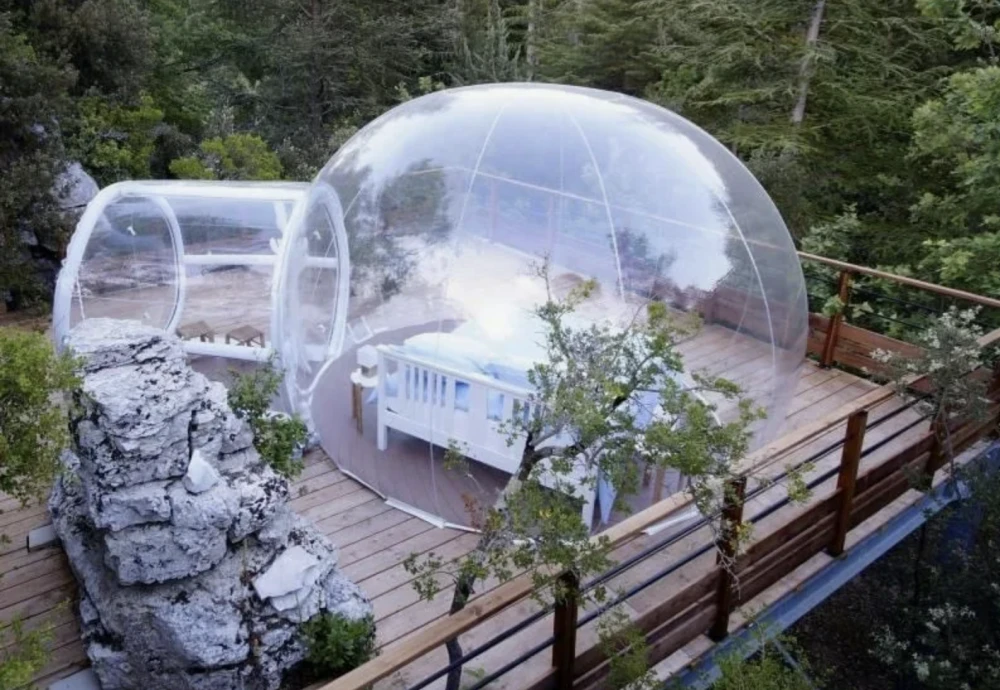
Rounded shelters have protected people from wind and weather for thousands of years. Modern campers have rediscovered that wisdom with fresh materials and a playful twist. An igloo tent borrows the dome shape of snow houses and adds clear or bright panels. The result feels sturdy, cozy, and surprisingly spacious for its footprint. Families appreciate the headroom, while couples love the intimate, cocooned feeling. The style also photographs beautifully, which has helped it spread across social media. This article explores why the shape works and where these shelters perform best. You will learn about seasonal comfort, setup methods, and interior styling ideas. Practical buying advice wraps up the discussion at the end. Camping, it turns out, can feel both adventurous and remarkably comfortable.
Why the Igloo Tent Shape Works
Domes distribute pressure evenly across their entire surface. That geometry helps them handle wind better than flat-walled shelters of similar size. An igloo tent also offers generous headroom at the center without wasted corners. Rain and light snow tend to slide off curved surfaces rather than pooling. Builders have relied on this principle for centuries in everything from huts to stadiums. Campers comparing an inflatable dome tent with traditional designs often notice this stability first. The rounded interior also encourages a natural gathering point in the middle. Sleeping pads fan out comfortably, leaving room for bags and gear. Even with several occupants, the space rarely feels crowded. Good design, in this case, simply follows a very old idea.
From Backyard to Backcountry
Dome shelters suit a surprisingly wide range of settings. Backyards make an easy starting point for families testing the experience. Campgrounds with level pitches and nearby facilities offer the next step. Festivals and outdoor events benefit from the eye-catching, welcoming silhouette. Some glamping resorts install permanent versions, such as a geodesic dome tent on wooden decks. Portable designs, by contrast, travel easily and pack away between trips. Consider access to power if your shelter relies on a blower for inflation. Remote sites may favor designs that hold air without continuous pumping. Terrain matters too, since rocky ground can damage the floor material. Matching the shelter to your destinations ensures smooth, enjoyable trips.
Igloo Tent Comfort in Every Season
Seasonal comfort depends on materials, ventilation, and how you prepare. Summer brings warm days, so shade and airflow become essential. An igloo tent with clear panels can heat quickly in direct afternoon sun. Pitching near trees or using a reflective cover helps manage that warmth. Spring and autumn often deliver the best balance of comfortable temperatures. Cooler nights call for insulated pads, warm sleeping bags, and layered blankets. Shoppers planning winter trips often compare a 4 season tent for added protection. Always check the manufacturer’s guidance on temperature and wind limits. Condensation can form on cold nights, so open a vent before sleeping. With sensible planning, your igloo tent can deliver comfortable nights through much of the year.
Inflation Versus Poles
Setup methods vary considerably between dome shelters. Traditional designs rely on flexible poles threaded through sleeves or clips. An air tent replaces those poles with inflatable beams or a fully inflated body. Inflation usually speeds setup, especially for beginners and larger groups. Pumps or blowers handle the hard work in just a few minutes. Poles, however, never need power and rarely fail in remote locations. Inflatable designs require attention to valves, seams, and occasional punctures. Most include repair patches, and small leaks are typically easy to fix. Choose the method that suits your destinations and comfort with gear. Either way, practicing setup at home prevents frustration at the campsite.
Making an Igloo Tent Feel Like Home
Small touches transform a simple shelter into a memorable retreat. Start with a thick rug or foam tiles to soften the floor. An igloo tent looks especially inviting with layered blankets and oversized pillows. Battery-powered string lights add warmth without the risks of open flames. A low folding table holds books, snacks, and a thermos of tea. Keep clutter in storage bins so the open space feels calm. Scented sachets or fresh herbs can freshen the air naturally. Position the entrance toward your best view, whether sunrise or a mountain ridge. Bring a portable speaker for soft music, while respecting nearby campers. Thoughtful details make every night feel like a small celebration. To see this in practice, read our article on how inflation compares with poles.
Choosing an Igloo Tent for Your Adventures
The right shelter balances comfort, durability, and ease of use. The Majesticor Luxurious Inflatable Starview Bubble Tent brings the dome concept to camping with clear, rounded walls. Its inflatable design and starview focus suit couples and families who love open skies. Review the product page for dimensions, capacity, and setup requirements before ordering. Consider where you will camp most often and what power sources are available. Think about storage space at home, since packed size varies by model. Choosing an igloo tent that fits those needs ensures many enjoyable trips. Bring friends once you feel confident, because the experience is meant to be shared. Rounded walls have a way of making conversations last longer. That sense of togetherness may be the greatest feature of all. If this topic interests you, our article on furnishing an outdoor shelter for comfort is a natural next step.









Leave a comment
You must be logged in to post a comment.