One Machine, Two Chores: Living with a Robot Vacuum and Mop
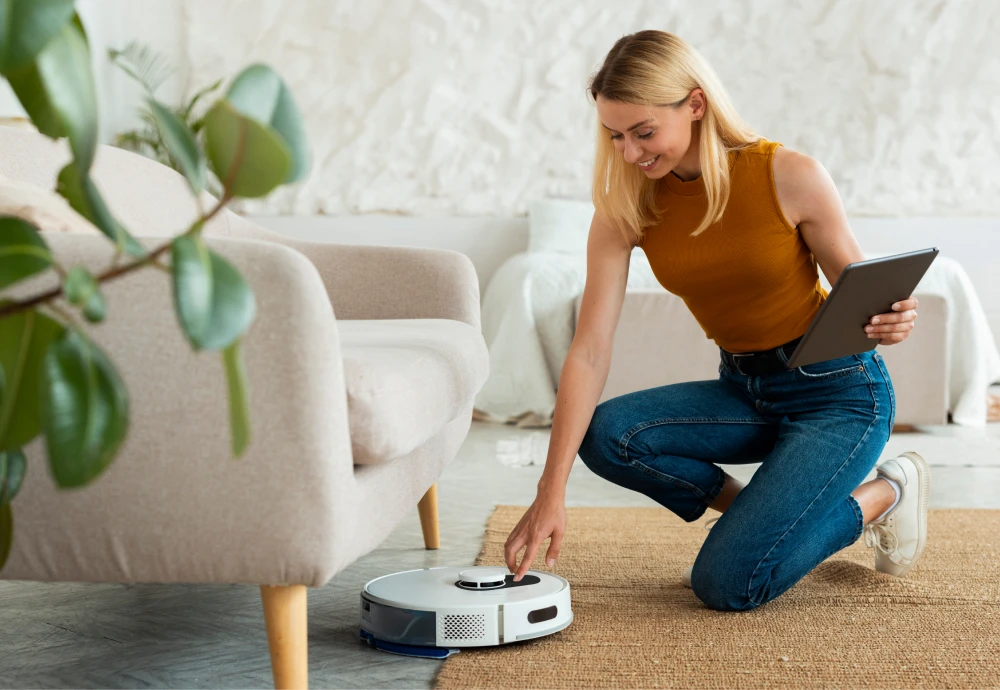
Vacuuming and mopping rarely top anyone’s list of favorite weekend activities. Both chores repeat endlessly, and both seem to undo themselves within days. A robot vacuum and mop handles that cycle automatically while you focus on other things. It sweeps up dust and crumbs, then wipes hard floors in the same session. Many models run on schedules, so floors stay tidy without constant reminders. Busy households, pet owners, and people with limited mobility all benefit noticeably. This article explains how these machines divide the work and where they perform best. You will learn about setup, navigation, and simple maintenance routines. There is also an honest look at whether the investment makes sense. Cleaner floors with less effort may be easier to achieve than you think.
How a Robot Vacuum and Mop Divides the Work
Two-in-one machines combine a vacuum system with a mopping module. Brushes and suction collect dust, hair, and debris from floors first. A water tank then dampens a mop pad that wipes hard surfaces clean. Your robot vacuum and mop can often switch modes depending on floor type. Some people still keep a manual vac mop for quick spot cleaning. Robots, however, keep working while you are away or asleep. Schedules let you choose daily, weekly, or room-specific cleaning plans. Many units return to their dock automatically when batteries run low. That independence is what makes the category so appealing. Chores that once took an hour now happen quietly in the background.
Floors That Benefit Most
Hard floors show the biggest improvement from combined cleaning. Tile, laminate, and sealed wood benefit from both vacuuming and gentle mopping. Kitchens and entryways collect dust and footprints quickly, making them prime targets. Bathrooms with tile floors stay fresher with regular damp wiping. Rugs and carpets typically need vacuum-only passes to avoid moisture. Some buyers search for a mop and vacuum robot specifically for open-plan hard floors. Unsealed wood and delicate stone may require extra caution with water. Check flooring manufacturer recommendations before scheduling frequent mopping. Pet bowls and high chairs create sticky spots that benefit from daily attention. Understanding your floors helps you set the right cleaning plan.
Setting Up a Robot Vacuum and Mop for Success
A smooth start depends on a little preparation. Place the dock against a wall with clear space on both sides. Connect the companion app if available and follow the setup prompts. Pick up cords, socks, and small toys that could tangle the brushes. Your robot vacuum and mop performs best when the floor is mostly clear. Run a first cleaning cycle while you watch how it moves around obstacles. Adjust no-go zones or virtual walls if your model supports them. Fill the water tank with clean water rather than harsh cleaning chemicals. Start with a modest schedule, then increase frequency as needed. These steps build a routine that keeps floors consistently clean. A useful companion read is our article on setting mop pads and water levels by floor type.
Navigation and Obstacles
Navigation quality separates frustrating robots from genuinely helpful ones. Basic models move in patterns and rely on bump sensors to change direction. More advanced units use smart mapping to plan efficient routes room by room. Mapping lets you name rooms and schedule them separately through an app. Sensors help detect stairs, preventing dangerous falls from ledges. Cables, pet waste, and small objects remain common challenges for many machines. Better sensing helps some models steer around clutter more reliably. Furniture height matters too, since robots need clearance to clean beneath beds and sofas. Check specifications for navigation features before buying. Matching navigation to your home layout prevents daily frustration.
Maintaining a Robot Vacuum and Mop
Regular care keeps performance strong and prevents breakdowns. Rinse and dry mop pads after each session to prevent odors. Empty the water tank so stale water never sits inside. Remove hair wrapped around brushes and wheels every week. Clean sensors gently with a dry cloth to keep navigation accurate. A robot vacuum and mop with automatic dust collection reduces how often you handle debris. Replace filters, brushes, and pads according to the manufacturer’s schedule. Keep the floor reasonably tidy, since even models with obstacle avoidance benefit from clear paths. Check the dock contacts occasionally for dust buildup. These quick habits help the machine serve reliably for years.
Is a Robot Vacuum and Mop Worth It?
Value depends on how much time and energy cleaning currently takes from you. Households with pets, children, or large hard-floor areas see the biggest benefits. Majesticor offers a smart home robot vacuum cleaner with mop and automatic dust collection. It combines vacuuming, mopping, and hands-off debris disposal in one system. Review the product page for battery life, app features, and dock details before ordering. Measure the space for the dock and check clearance beneath your furniture. A robot vacuum and mop will not replace every deep clean, but it handles daily maintenance well. Weekends open up when floors no longer demand constant attention. Crumbs and dust simply stop being something you think about. That quiet relief is often worth more than the price tag. Our piece on how automatic dust disposal works picks up where this section leaves off.









Leave a comment
You must be logged in to post a comment.