The Robot Mop That Ends Bucket Day
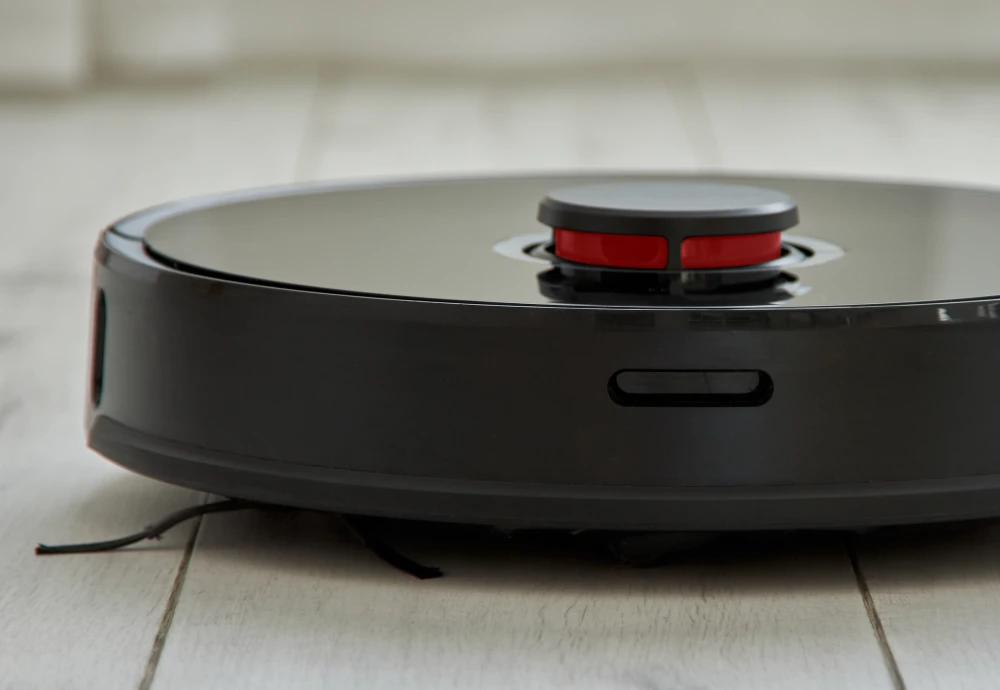
Bucket day used to mean filling hot water, wringing out a heavy mop, and waiting for floors to dry. The process left aching shoulders and streaky tiles more often than anyone admitted. A robot mop replaces that ritual with quiet, regular wiping that happens automatically. Instead of one exhausting session, floors receive gentle attention several times a week. Sticky kitchen spots, muddy footprints, and pet paw prints disappear before they build up. Many models combine mopping with vacuuming, handling both chores in one pass. This article explains how mopping robots work and how to get spotless results. You will learn about pads, water control, floor settings, and simple maintenance. There is also guidance on handling rugs and choosing the right model. Bucket day may soon become a distant memory.
How a Robot Mop Cleans Hard Floors
Mopping robots apply controlled moisture to lift dirt from hard surfaces. A water tank releases small amounts of water onto a pad or roller. As the machine moves, the damp surface wipes away dust, spills, and grime. A robot mop works best after vacuuming removes loose debris first. Combined units handle that sequence automatically in a single cleaning cycle. Some designs use a robot roller mop that rotates continuously for stronger scrubbing. Others drag or vibrate flat pads to polish floors gently. Regular passes prevent dirt from bonding to surfaces over time. That consistency often matters more than scrubbing power alone. Clean floors become the normal state rather than a weekly project.
Pads, Rollers, and Water Control
Mopping systems vary in how they apply water and pressure. Flat pads suit light daily cleaning on sealed floors. Rotating designs scrub harder and tackle dried spills more effectively. Adjustable water flow lets you match moisture to the floor type. Too much water can leave streaks or harm sensitive surfaces. Too little may push dirt around rather than lifting it. Some advanced machines offer mop lifting to raise pads when crossing rugs. That feature prevents carpets from getting damp during combined cleaning runs. Microfiber pads generally trap dirt well and wash easily. Understanding these options helps you set up the machine correctly from day one.
Robot Mop Settings for Different Floors
Each floor type responds differently to moisture and scrubbing. Ceramic and porcelain tile handle higher water levels comfortably. Laminate prefers light moisture, since excess water can seep into seams. A robot mop on sealed hardwood should use the lowest water setting available. Vinyl plank floors tolerate moderate moisture and benefit from regular wiping. Natural stone may need pH-neutral solutions or plain water only. Check flooring manufacturer guidance before using any cleaning additives. Room-specific settings in companion apps simplify these adjustments where supported. Test a small area before running full schedules on delicate surfaces. Matching settings to floors protects both appearance and longevity. To see this in practice, read our article on setting up a two-in-one machine.
Rugs, Carpets, and Moisture
Rugs present the biggest challenge for any mopping machine. Damp pads crossing carpet can leave moisture and dirt behind. Some robots use carpet detection to avoid rugs during mopping runs. Others rely on no-go zones set through the companion app. Removable mop modules let you vacuum carpets separately when needed. Lightweight rugs can also be lifted before scheduled mopping sessions. Thick shag rugs may block robots entirely, so plan routes carefully. Doormats near entrances often catch the most dirt and need separate attention. Understanding your layout prevents soggy carpets and frustrated mornings. A little planning keeps every surface clean and dry.
Keeping a Robot Mop Fresh
Mopping equipment can develop odors quickly without proper care. Remove and rinse pads immediately after each cleaning session. Air-dry them fully or machine-wash them according to the manufacturer’s instructions. Empty the water tank so stagnant water never sits inside. Docks with auto mop washing reduce this effort considerably on premium models. Wipe the underside to remove residue around the pad mount. A robot mop stays hygienic when pads rotate between clean sets. Replace worn pads that no longer absorb water effectively. Clean sensors and wheels to maintain accurate navigation across floors. These habits keep floors fresh rather than spreading old grime around.
Choosing a Robot Mop for Your Home
The right machine fits your floors, routines, and maintenance preferences. Combined vacuum and mop designs suit most households with mixed hard floors. Majesticor offers a smart home robot vacuum cleaner with mop and automatic dust collection. It handles both dry and wet cleaning while its dock takes care of debris. Review the product page for water tank size, app features, and pad details before ordering. Consider how much tile, laminate, or vinyl flooring you need to cover. A robot mop that suits those surfaces delivers noticeable results within days. Kitchens stay cleaner, entryways look brighter, and footprints disappear faster. Your weekends no longer revolve around buckets and wringing. Clean floors become a quiet, constant background to daily life. If this topic interests you, our article on what navigation does to cleaning quality is a natural next step.









Leave a comment
You must be logged in to post a comment.