Why a Self Emptying Robot Vacuum Means Forgetting the Dustbin
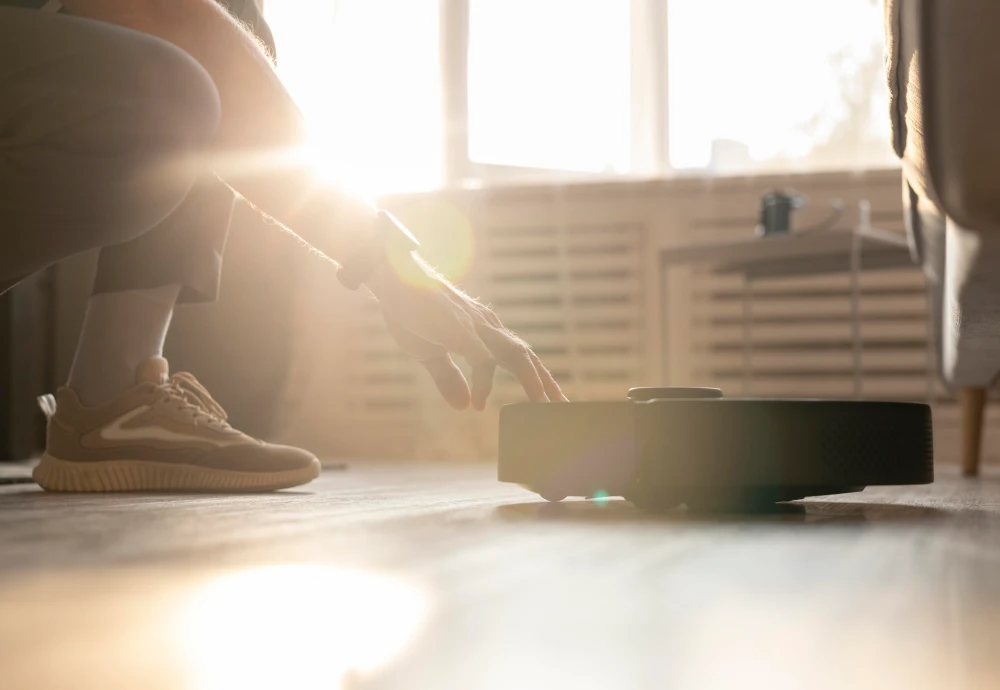
Early robot vacuums promised freedom from chores but delivered a new one instead. Their tiny bins filled quickly, often stopping the machine halfway through a room. Owners found themselves emptying dust daily, sometimes several times a day. A self emptying robot vacuum solves that problem by transferring debris into a larger base. The robot docks, the base pulls dirt from its bin, and cleaning continues later. That simple change turns automation into something genuinely hands-off. This article explains how the system works and who benefits most. You will learn about bags, bins, allergies, and getting the best performance. Practical buying advice rounds out the discussion at the end. Forgetting the dustbin, it turns out, is the whole point.
How a Self Emptying Robot Vacuum Works
The system relies on a partnership between robot and dock. During cleaning, the robot collects debris in its small onboard bin. When it returns to the auto emptying dock, strong suction pulls that debris out. The dirt travels into a larger container or disposable bag inside the base. A self emptying robot vacuum then recharges and prepares for the next session. Depending on home size and debris levels, the base may hold weeks of dirt. That capacity reduces your involvement to occasional bag or bin changes. The process is loud for a few seconds but finishes quickly. Most units handle the transfer automatically after every run. Automation finally feels complete when nothing needs daily attention.
Weeks Without Touching Dust
The biggest benefit is simply forgetting about the bin altogether. Instead of daily emptying, you might replace a bag or empty a container every few weeks. That change matters most in busy households with pets or children. Dust exposure drops, since you handle debris far less often. Cleaning schedules can run while you work or travel without interruption. Machines that also return to charge, like any self charging robot vacuum, need almost no supervision. Floors tend to stay consistently cleaner as a result. Consistent cleaning prevents dust from building up in corners and under furniture. Daily maintenance happens quietly, leaving weekends free for better things. The freedom feels small at first, then becomes impossible to give up.
Who Needs a Self Emptying Robot Vacuum Most
Some households benefit more than others from automatic disposal. Pet owners top the list, since shedding fills small bins remarkably fast. A self emptying robot vacuum keeps up with fur without constant intervention. Families with young children appreciate cleaner floors and fewer chores. People with allergies benefit from reduced contact with dust and dander. Busy professionals enjoy coming home to tidy floors every evening. Older adults and those with limited mobility avoid bending to empty bins. Large homes with many rooms also gain from uninterrupted cleaning sessions. Smaller apartments may need the feature less, though convenience still matters. Matching the feature to your lifestyle clarifies whether it justifies the cost. Our piece on how combined vacuuming and mopping divides the work picks up where this section leaves off.
Bags, Bins, and Allergies
Docks store debris in one of two ways, each with trade-offs. Bagged systems seal dust inside disposable bags, which limits exposure during changes. A bagless robot vacuum base uses a reusable container that you empty directly. Bagless designs avoid ongoing bag costs but can release some dust when emptied. Allergy sufferers often prefer bags for that cleaner disposal experience. Filters in the dock also matter, since they trap fine particles during transfer. Replace filters according to the manufacturer’s schedule to maintain performance. Empty or replace containers outdoors when possible to keep dust out of your home. Check product details to confirm which system a model uses. Choosing the right approach supports both convenience and healthier air.
Getting the Most from a Self Emptying Robot Vacuum
A few habits help the system run smoothly for years. Place the dock on a hard, level surface with clear space around it. Keep cords and small objects off the floor before scheduled runs. Clean brushes weekly, since tangled hair reduces pickup and strains motors. Your self emptying robot vacuum also benefits from regular sensor wiping. Check the dock intake for blockages if emptying seems weaker than usual. Replace bags or empty bins before they become completely full. Owners who like hands-free commands often look for voice control robot vacuum features through smart speakers. Schedule cleaning during times when the household is out or quiet. These small routines keep performance consistent and maintenance minimal.
Choosing a Self Emptying Robot Vacuum
The right model fits your home size, flooring, and cleaning goals. Majesticor offers a smart home robot vacuum cleaner with mop and automatic dust collection. It combines vacuuming and mopping with a dock that handles debris disposal for you. Review the product page for battery life, dock capacity, and app features before ordering. Measure the space for the dock and confirm clearance beneath beds and sofas. Consider how much hard floor you have, since mopping adds extra value there. Choosing a self emptying robot vacuum that fits these needs ensures lasting satisfaction. Floors stay cleaner while your involvement shrinks to occasional check-ins. That balance is exactly what automation should deliver. The dustbin, finally, becomes something you rarely think about. To see this in practice, read our article on managing fur in busy pet households.









Leave a comment
You must be logged in to post a comment.