How a Robot Vacuum for Pet Hair Keeps Up with Shedding Season
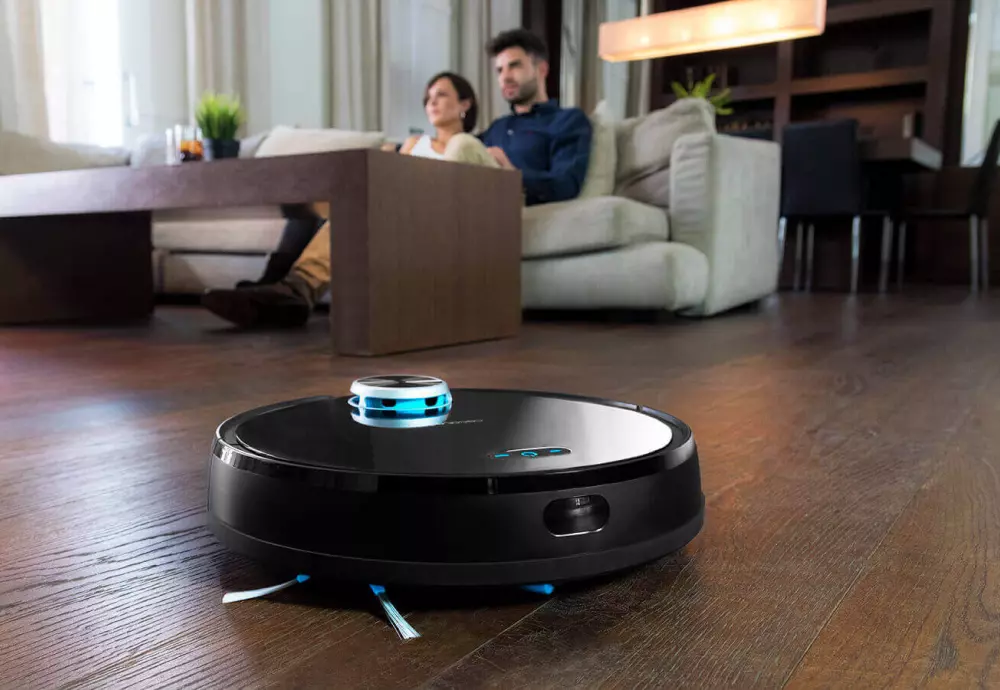
Anyone who shares a home with dogs or cats knows that fur appears everywhere. It drifts under sofas, gathers in corners, and clings to rugs within hours of cleaning. Shedding seasons in spring and fall can turn the problem into a daily battle. A robot vacuum for pet hair keeps that battle manageable by cleaning on a steady schedule. Instead of one exhausting weekly session, floors receive regular attention automatically. Pets and people both enjoy a fresher, tidier home as a result. This article explains which features matter most for fur-heavy households. You will learn about brushes, scheduling, allergies, and pet-friendly routines. Practical buying advice wraps up the discussion at the end. Shedding season may finally feel less overwhelming.
Why Pet Owners Need a Robot Vacuum for Pet Hair
Pet hair accumulates faster than most other household debris. Even short-haired breeds shed enough to dull floors within a day or two. A robot vacuum for pet hair runs frequently, collecting fur before it spreads. Daily runs prevent clumps from forming under furniture and along baseboards. Owners comparing an upright pet hair vacuum often appreciate the hands-off convenience of robots. Upright machines still help with deep cleaning, but robots handle daily maintenance. Low profiles reach under beds and sofas where pets often nap. Automatic schedules work while you are at work or out walking the dog. That consistency keeps homes presentable for unexpected guests. Pet ownership becomes more enjoyable when fur stops ruling the house.
Brushes That Resist Tangles
Long hair wraps around traditional bristle brushes quickly, reducing performance. Rubber or hybrid brushes resist tangling and release hair more easily. Many pet-focused designs promote a zero tangle brush system for this reason. Side brushes also matter, since they sweep fur from edges and corners. Check how easily brushes detach for occasional cleaning and inspection. Suction strength helps pull embedded fur from rug fibers. Larger bins or self-emptying docks prevent overflow in multi-pet homes. Filters trap fine dander that might otherwise recirculate into the air. These design details separate pet-ready machines from basic models. Choosing wisely saves hours of manual brush cleaning each month.
Scheduling a Robot Vacuum for Pet Hair Around Shedding
Smart scheduling multiplies the value of any automated cleaner. During heavy shedding, daily runs keep fur from building up between sessions. A robot vacuum for pet hair can target rooms where pets spend most time. Schedule runs while pets are outside or settled in another room. Some animals feel curious or anxious around moving machines at first. Introduce the robot gradually, letting pets observe it from a comfortable distance. Reduce frequency during lighter shedding months to extend brush and filter life. Track results and adjust timing based on how quickly fur returns. Mopping runs can follow vacuuming to remove paw prints on hard floors. Thoughtful schedules keep homes clean without stressing your animals. For more detail, see our article on bins and bags that cut allergen exposure.
Allergies, Dander, and Air Quality
Pet allergies often stem from dander rather than hair itself. Tiny skin particles settle on floors, furniture, and bedding throughout the day. Frequent vacuuming reduces how much dander accumulates in living spaces. Fine filters capture particles that basic filters might release back into the air. Docks that empty automatically limit how often you handle dusty debris. Washing pet bedding weekly complements robotic floor cleaning nicely. Air purifiers add another layer of protection in bedrooms and living rooms. Some households prefer a self cleaning robot vacuum to minimize hands-on contact entirely. Consult a doctor for persistent allergy symptoms, since cleaning alone may not solve them. Combined strategies create a more comfortable home for sensitive family members.
Pet-Proofing Your Routine with a Robot Vacuum for Pet Hair
Pets can create unique obstacles for automated cleaners. Water bowls get bumped, toys get swallowed, and accidents can create serious messes. Lift food and water bowls or place them on trays before scheduled runs. Pick up small toys that could jam brushes or wheels. Check floors for pet accidents before starting any cleaning cycle. Your robot vacuum for pet hair performs best on clear, predictable floors. Virtual boundaries keep the machine away from litter boxes and feeding areas. A cordless robot vacuum also removes the tripping hazard that cables create for playful pets. Clean brushes weekly, since fur builds up faster in pet homes. These habits keep both pets and machine happy.
Choosing a Robot Vacuum for Pet Hair
The right machine matches your pets, flooring, and household routines. Majesticor offers a smart home robot vacuum cleaner with mop and automatic dust collection. Its dock empties debris automatically, which helps in homes where fur fills bins quickly. The mopping function also tackles paw prints and drool on hard floors. Review the product page for brush design, filters, and battery life before ordering. Consider how many pets you have and how heavily they shed. A robot vacuum for pet hair that fits those needs makes daily cleaning effortless. Fur stops piling up, and weekends feel freer. Your pets will keep shedding, but you will notice it far less. That peace of mind is worth a great deal to any pet lover. Readers who want to go further can explore our piece on wiping away paw prints on hard floors.









Leave a comment
You must be logged in to post a comment.