Two Fires, One Cart: The Case for a Gas and Charcoal Grill
Backyard cooks have long debated gas versus charcoal like rival sports fans. Gas loyalists praise instant heat and precise control on busy weeknights. Charcoal devotees insist nothing matches the smoky depth of real coals on weekend steaks. A gas and charcoal grill ends that argument by offering both fuels in one cart. You can sear burgers over propane while ribs absorb smoke on the charcoal side. Owners describe the flexibility as a game-changer for family meals and large parties. This article explains how dual-fuel grilling works and what to know before buying. It references a cold-rolled steel combo grill with a porcelain enameled finish and an adjustable charcoal pan. Owners rate it 4.9 out of 5 across 55 reviews. Both camps can finally share one grill.
How a Gas and Charcoal Grill Works
Dual-fuel designs place two cooking chambers side by side on one frame. One side works as a propane grill, with burners and knobs for fast, adjustable heat. The other side holds a charcoal tray beneath its own grates and lid. This model lets you raise or lower the charcoal pan with a crank, according to owners. Moving coals closer to the grates sears food, while lowering them slows cooking. A temperature-controlled oven area helps manage heat for roasting and baking. Owners also mention a side burner for sauces and side dishes. Porcelain enameled cold-rolled steel provides durability and easier cleaning. Each side operates independently or together. Versatility lives in one footprint.
Flavor Versus Convenience
Charcoal produces a distinct smoky flavor as drippings vaporize on hot coals. Gas offers convenience, reaching cooking temperature within minutes at the turn of a knob. Many owners use charcoal for steaks and ribs and gas for vegetables and potatoes. One reviewer grills steaks over charcoal while baking potatoes on the gas side. Another adds a smoker box to the charcoal side while cooking burgers over propane. Weeknights often favor gas, while weekends invite slower charcoal sessions. Having both prevents compromise when tastes differ within a household. One owner bought it specifically so roommates with different preferences could share. Flexibility keeps everyone happy at the table. Choice makes cooking more creative.
Cooking Both Sides with a Gas and Charcoal Grill
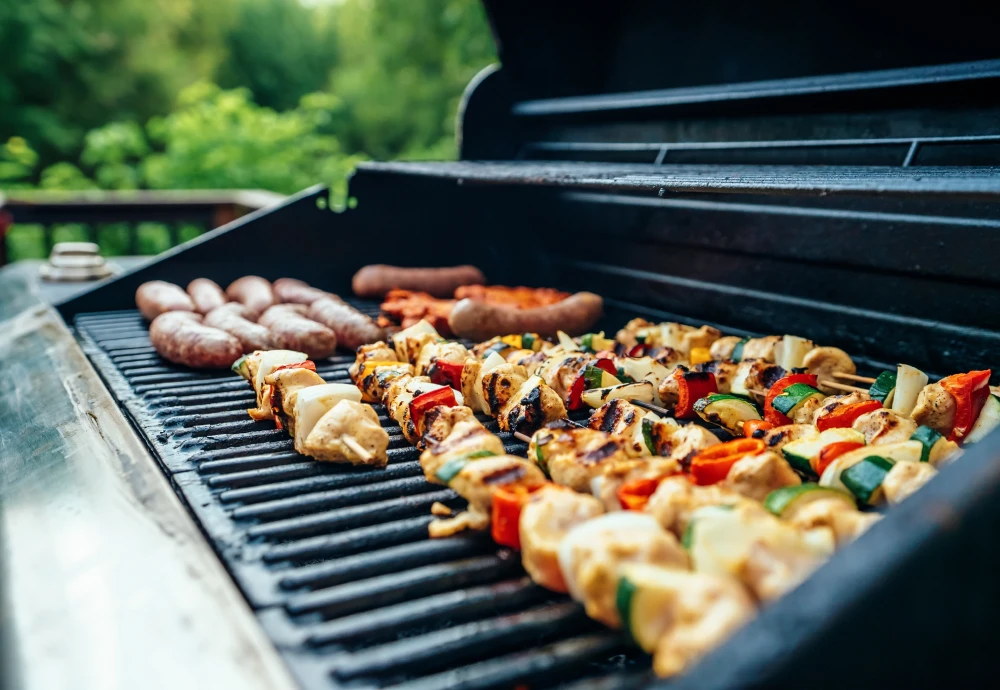
Running both chambers simultaneously turns one grill into a full outdoor cooking station. Start the charcoal first, since coals need time to ash over and reach cooking temperature. Light the gas side about ten minutes before you need it. A gas and charcoal grill lets you time proteins and sides to finish together. A side burner, praised by several owners, handles sauces, beans, or corn on the cob. Keep a meat thermometer handy for accurate doneness on both sides. Use the adjustable charcoal height to control searing versus slow cooking. One owner said the July Fourth party ran smoothly thanks to both sides working at once. Coordinated cooking keeps hosts outside with guests. Big meals become manageable.
Weather and Rust Protection
Steel grills face constant exposure to rain, humidity, and temperature swings. A fitted grill cover protects finishes and components between cooking sessions. Several reviewers note that rust can develop if the grill sits uncovered outdoors. One owner kept it rust-free for two years by applying oil regularly. Porcelain enameled surfaces resist corrosion better than bare steel, though care still matters. Empty ash trays after each charcoal session, since wet ash accelerates rust. Store the propane tank outdoors, never in garages or basements. Move the cooled grill under shelter during long winter breaks when possible. Consistent protection extends useful life dramatically. Prevention keeps steel strong.
Gas and Charcoal Grill Safety
Two fuel types mean two sets of safety habits. Check propane connections for leaks with soapy water before first use and with each new tank. Bubbles indicate escaping gas, so tighten connections or replace parts before lighting. Never grill indoors, in garages, or under fabric canopies and gazebos. Position the grill well away from siding, deck railings, and overhanging branches. Use a charcoal chimney starter rather than adding lighter fluid to hot coals. Dispose of cooled ashes in a metal container, never in plastic bins. Keep children and pets away from hot surfaces during and after cooking. Have a fire extinguisher or baking soda nearby for grease flare-ups. Safety lets the fun continue.
Choosing a Gas and Charcoal Grill
Start by measuring the space where the grill will live. This model measures roughly 71 by 24 by 47 inches, based on listed dimensions of 1800 by 600 by 1200 millimeters. It weighs roughly 140 to 155 pounds based on listing figures, so assembly usually needs two people. It runs on LP gas, so confirm whether a propane tank is included before ordering. Casters and a trolley design help you reposition it on patios. Owners report assembly times ranging from about one hour to several. Owners rate it 4.9 out of 5 across 55 reviews, praising versatility and sturdy construction. Plan for a cover to protect it from rust. To review details, see the grill here before deciding. Two fires make every cookout better.