From Nervous to Confident: Grilling for Beginners Made Simple
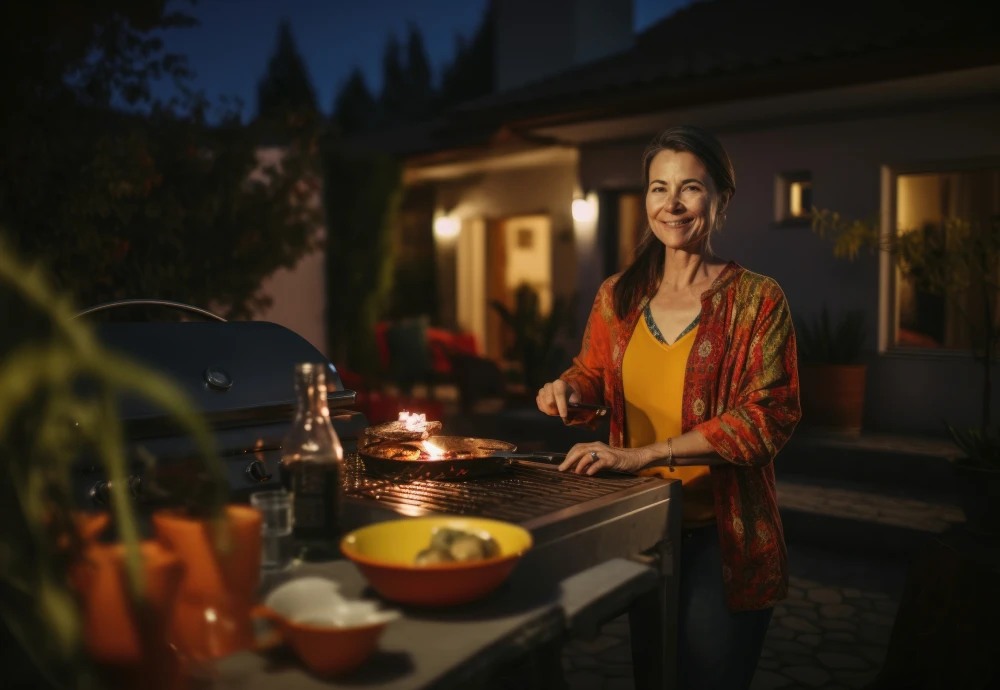
Many people admire friends who grill effortlessly, yet feel intimidated by flames and raw meat themselves. Fear of undercooked chicken or charred burgers keeps them inside, cooking on the stove. Grilling for beginners becomes far less daunting once you understand a few core principles. Fire management, heat zones, and temperature checks matter more than fancy techniques. Practice builds confidence quickly, and mistakes usually just mean an extra minute on the grates. Equipment that offers both gas and charcoal lets newcomers learn each method gradually. This article walks through essential skills one step at a time. It references a dual-fuel grill with a side burner and an adjustable charcoal pan, praised by first-time owners. Owners rate it 4.9 out of 5 across 55 reviews. Your first great steak is closer than you think.
Grilling for Beginners Starts with Fire
Gas grills offer the gentlest introduction, since flames ignite with the turn of a knob. Open the lid before lighting to prevent gas buildup, then ignite each burner as directed. Charcoal requires more patience but rewards you with deeper flavor. Learning how to light charcoal properly prevents frustration and lighter fluid taste. Arrange briquettes in a pile or use a chimney starter for even ignition. Wait until coals glow and develop a light gray ash coating before cooking. That usually takes fifteen to twenty minutes. One owner admitted lighting charcoal felt tricky at first. Patience at this stage pays off at the table. Good fire makes good food.
The Chimney Method
Experienced grillers widely recommend a simple metal tube for lighting coals. A charcoal chimney holds briquettes above crumpled newspaper or a fire starter cube. Light the paper, and rising heat ignites the coals evenly within minutes. Pour the glowing coals into the grill once the tops turn gray. Several owners of this grill specifically recommend using a chimney for easier lighting. No lighter fluid means cleaner flavor and fewer chemical smells. Always wear heat-resistant gloves when handling a hot chimney. Set the empty chimney on a nonflammable surface to cool. This single tool removes most beginner charcoal frustration. Simple equipment builds confidence.
Grilling for Beginners Using Two Zones
Understanding heat zones transforms results more than any recipe. The difference between direct vs indirect heat determines whether food sears or roasts gently. Direct heat cooks food right above flames, ideal for burgers, steaks, and vegetables. Indirect heat cooks food beside the fire, perfect for thick chicken pieces and ribs. Grilling for beginners becomes easier once you create both zones on one grill. On charcoal, pile coals on one side and leave the other empty. On gas, light some burners and leave others off. This grill’s adjustable charcoal pan adds another way to control intensity. Sear first, then move food to the cooler side to finish. Two zones prevent burnt outsides and raw centers.
Knowing When Food Is Done
Guessing doneness causes most beginner mistakes. An instant-read meat thermometer removes uncertainty and protects food safety. Chicken should reach 165 degrees Fahrenheit, according to USDA guidelines. Ground beef burgers need 160 degrees, while steaks can be enjoyed at 145 degrees with a three-minute rest. Pork chops also reach safety at 145 degrees followed by a short rest. Insert the probe into the thickest part, avoiding bone. Let meat rest a few minutes so juices redistribute. Avoid cutting into food repeatedly, which releases moisture. Accurate temperatures build confidence quickly. Numbers beat guesswork every time.
Grilling for Beginners Safety Basics
Safety habits matter even more while you are still learning. Set up the grill outdoors, well away from houses, fences, and overhanging branches. Never grill under canopies, gazebos, or in enclosed spaces like garages. Check propane connections for leaks with soapy water before lighting. Keep a spray bottle of water for minor charcoal flare-ups, but never use water on grease fires. Keep children and pets at a safe distance from hot surfaces. Wash hands and use separate plates for raw and cooked meats. On stormy days, practice recipes indoors with quick countertop air-fried dinners instead. Careful habits prevent accidents. Safety comes first.
A Grill That Supports Grilling for Beginners
The right equipment can make learning much smoother. Dual-fuel grills let beginners master gas first, then explore charcoal when ready. This model combines a gas chamber, a charcoal chamber, and a handy side burner. An adjustable charcoal pan helps control heat without moving coals around. One first-time owner called it an excellent choice for managing whole meals outdoors. It measures roughly 71 by 24 by 47 inches and weighs roughly 140 to 155 pounds based on listing figures. Assembly typically needs two people and some patience, according to reviewers. Owners rate it 4.9 out of 5 across 55 reviews. To review details, check the product page before your first cookout. Confidence grows with every meal you grill.