No Poles, No Problem: How an Inflatable Tent Changes Camping
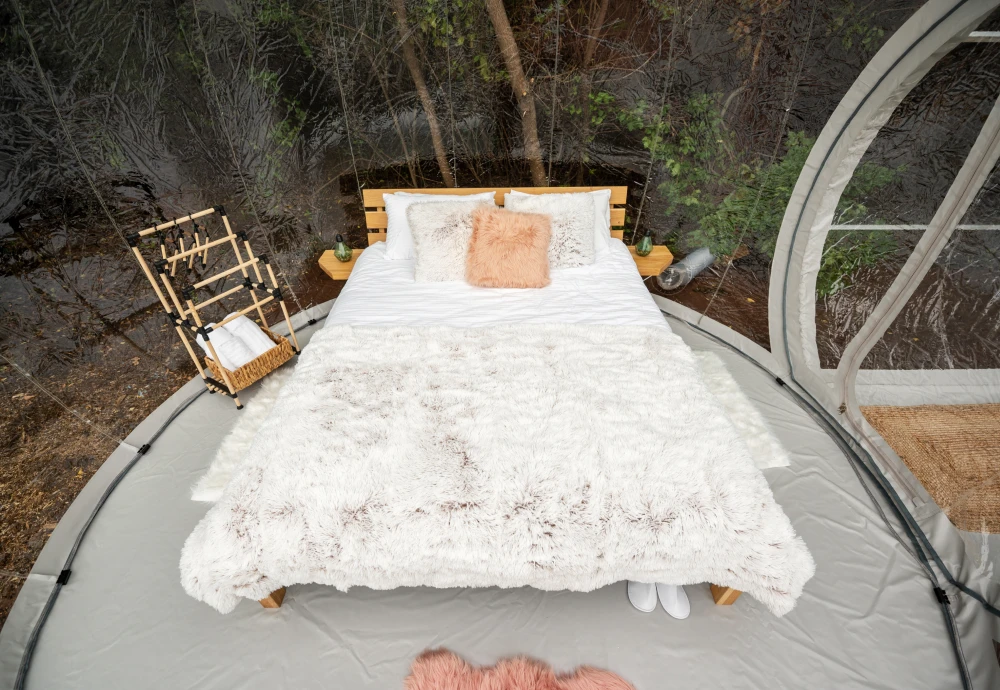
Anyone who has wrestled tangled poles in fading light knows how stressful tent setup can be. Instructions blow away, sections bend, and patience wears thin long before dinner. An inflatable tent replaces that frustration with air, rising into shape within minutes. Some models use inflatable beams, while others inflate the entire structure like a giant dome. Both approaches simplify setup dramatically and appeal to campers of every experience level. They do introduce new considerations, though, from power needs to puncture care. This article explains how air-supported shelters work and how to get the most from one. It uses a clear starview dome with an included blower as its main example. Owner reviews offer honest perspective on setup, durability, and weather performance. Leave the poles behind and read on.
How an Inflatable Tent Stays Up
Air pressure does the work that rigid poles normally handle. Beam-style designs inflate tubes that act as a frame, holding fabric walls taut. The popular air tent category for family camping usually follows this approach with a hand or electric pump. Dome-style shelters inflate the entire envelope, creating a seamless bubble with no frame at all. This starview model belongs to the second group, using an electric blower to fill its PVC walls. Many fully inflated domes need the blower running continuously, so ask the seller how this one holds pressure. Its single tunnel entrance helps the structure keep its shape when people come and go. The result is a spacious interior roughly ten feet across and sixteen feet long. Reviewers describe setup as a breeze and the finished structure as surprisingly stable. Air, it turns out, makes an excellent frame.
Staying Dry in Bad Weather
Rain tests any shelter, revealing weak seams and poorly sealed floors. PVC construction offers inherent water resistance because the material itself does not absorb moisture. A truly waterproof tent also needs well-sealed seams and a solid floor connection. Owners of this dome report staying completely dry through downpours on camping weekends. One reviewer admitted initial skepticism about the waterproof claims before a stormy weekend proved them right. Another said a rainy night passed without a single drop inside. Wind matters too, so stake or weigh down the structure carefully in exposed locations. One owner noted the material stood up to windy conditions without issue. Avoid pitching in low spots where rainwater collects after storms. Smart placement complements good materials.
Pitching an Inflatable Tent Step by Step
Start by clearing the site of rocks, sticks, and anything sharp that could puncture the floor. Lay down a protective ground sheet slightly smaller than the tent’s footprint. Unroll the inflatable tent, positioning the entrance toward your preferred view or path. Connect the blower securely, then switch it on and watch the walls lift. Guide the material gently as it rises, smoothing creases for even inflation. Anchor the structure with stakes or weights once it reaches full shape. Run the power cord safely, keeping it away from foot traffic and moisture. Add bedding, rugs, and lighting once everything feels stable. The whole process typically takes minutes rather than the hour poles often demand. Simplicity frees time for actually enjoying the trip.
Festival-Ready Shelter
Music festivals pack thousands of tents into crowded fields, making distinctive shelters easy to spot. A standard festival tent often looks identical to its neighbors, causing late-night confusion. A transparent dome stands out instantly, serving as a landmark for your group. One reviewer took this model to a festival and said it was a hit with everyone nearby. Quick setup matters when you arrive tired after a long drive. Festival sites sometimes provide power hookups, which help with blower-based designs. Check event rules before bringing larger structures, since plot sizes vary. Clear walls also mean less privacy, so position the entrance thoughtfully and bring curtains if needed. Durable PVC handles crowded conditions better than thin nylon. Comfort turns a long weekend into a highlight.
An Inflatable Tent for the Whole Family
Family trips demand space, simplicity, and shelter that keeps everyone happy. Kids lose patience during long setups, while adults want to start relaxing quickly. Quick inflation makes family camping more approachable for parents juggling gear and children. This dome offers room for a family bed, a play area, and storage around the edges. One mother said her kids love watching wildlife from inside while staying safe and dry. Another reviewer called it great for backyard camping with children who adore it. Clear walls reduce the closed-in feeling some kids experience in dark tents. Parents can see children playing outside without unzipping doors constantly. The adventure begins the moment the walls start rising. Happy campers return eagerly next time.
Caring for Your Inflatable Tent
Proper care keeps any air-supported shelter performing for many seasons. Clean the walls with mild soap and water, avoiding harsh chemicals that cloud PVC. Dry the material completely before packing, since trapped moisture encourages mildew. Fold loosely along natural creases rather than forcing tight rolls that stress seams. Store in a cool, dry place away from sharp tools and direct sunlight. Keep a small repair kit handy for unexpected punctures during trips. Owners describe this model as sturdy and feel confident it will last many adventures. It holds a perfect 5.0 rating across 23 reviews, praised for durability and easy setup. To review materials and dimensions, check the product details before your next trip. Good care turns one purchase into years of memories.