Peace in a Busy Cat House: Choosing a Litter Box for Multiple Cats
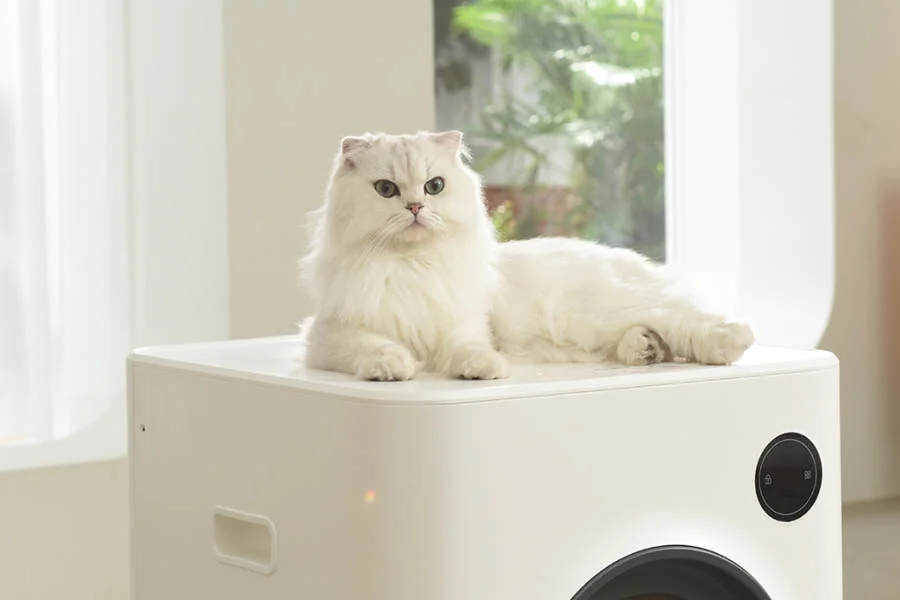
Every additional cat brings more personality, more affection, and considerably more litter. Boxes fill faster, odors build quicker, and territorial tensions can surface around shared bathrooms. Choosing a litter box for multiple cats requires more thought than simply buying a bigger tray. Number, placement, size, and cleaning frequency all influence whether cats use boxes reliably. Get it wrong, and accidents around the house quickly follow. Get it right, and even a busy household stays calm and fresh. This article covers practical guidelines for multi-cat homes and the role automation can play. It references a smart self-sifting unit with weight sensors and app monitoring. Owners with several cats share honest observations. Harmony starts with good bathroom planning.
Why a Litter Box for Multiple Cats Needs Planning
Cats are naturally particular about their toilet spaces. Many dislike sharing, especially with housemates they do not fully trust. In a multi cat household, competition over boxes can cause stress, hiding, or accidents elsewhere. Dominant cats sometimes guard boxes, preventing timid cats from using them comfortably. Multiple boxes in different locations reduce those conflicts significantly. Cleanliness matters even more, since many cats refuse boxes that smell of other animals. Frequent waste removal keeps every visit pleasant for every cat. Watching how each cat behaves helps you adjust placement and numbers. Planning ahead prevents behavioral problems from developing. A calm bathroom routine supports a calm household.
Counting Boxes Correctly
Veterinarians commonly recommend one box per cat, plus one extra. Working out how many litter boxes you need usually starts with that simple formula. Two cats would therefore have three boxes, ideally in different rooms. Placing all boxes side by side counts as one location for territorial purposes. Spread them across floors in multi-level homes for easy access. Automatic units can reduce scooping workload, though they do not replace the need for multiple options. One household with several cats liked their unit so much they purchased a second. Combining an automatic box with traditional ones offers flexibility for different preferences. Observe which boxes each cat favors and adjust accordingly. The right number prevents most problems.
Automation and the Litter Box for Multiple Cats
High-traffic boxes need frequent cleaning, which becomes exhausting with several cats. Automatic cleaning after each visit keeps the bowl fresh for the next user. A litter box for multiple cats benefits enormously from that speed, reducing territorial avoidance. This model’s sensors recognize visits and trigger cleaning cycles once cats leave. App monitoring helps track usage patterns, revealing whether every cat actually uses it. Waste capacity lasts up to ten days for one cat, so empty it more often with several. One multi-cat household praised the odor control as vital for their home. Another owner noted waste can pile on one side, so check the drawer periodically. Automation lightens the load considerably. Shared spaces stay pleasant longer.
New Arrivals and Territory
Adding a cat changes household dynamics, including bathroom routines. When introducing a new cat, provide a separate box in its own room for the first days. Gradual introductions reduce stress and help established cats accept the newcomer. Swap bedding between cats so they become familiar with each other’s scents. Introduce shared boxes only once cats are comfortable around one another. Automatic units with motors may startle some cats, so allow time to adjust. One owner reported a cat needing three weeks before using the new system. Others adapted immediately, even watching the cycle with curiosity. Patience during transitions prevents long-term avoidance. Every cat sets its own pace.
Size Limits on a Litter Box for Multiple Cats
Cat sizes vary widely within the same household. Owners of large cat breeds, such as Maine Coons or Ragdolls, must pay close attention to entrance dimensions. This unit’s entrance suits small and medium cats best, according to several reviewers. One owner with cats over 21 pounds found them unable to fit comfortably and returned it. Another household’s largest cat avoided it, while the medium-sized cat used it happily. Larger cats might also scatter litter near the entrance, requiring occasional cleanup. Measure your biggest cat and compare with the product dimensions before buying. Traditional open boxes may suit oversized cats better alongside an automatic unit. Matching equipment to every cat ensures comfort for all. Size matters in a shared home.
Keeping a Litter Box for Multiple Cats Clean
Busy boxes require consistent maintenance even with automation. Empty the waste drawer more frequently than single-cat guidelines suggest. Refill clumping litter regularly, since multiple cats use it faster. Wash the bowl monthly to remove residue and odor buildup. Tracked litter and shed fur spread quickly, so pair litter care with a vacuum designed for shedding pets. Keep spare liners on hand, and test the fit before running out. Remember the app connects only to 2.4GHz WiFi networks. This model holds a 5.0 rating across 11 reviews, praised for convenience and odor control. To review dimensions and features, see the full listing before deciding. A clean shared space keeps everyone content.