Retire the Bucket: What a Robot Mop Can and Cannot Do
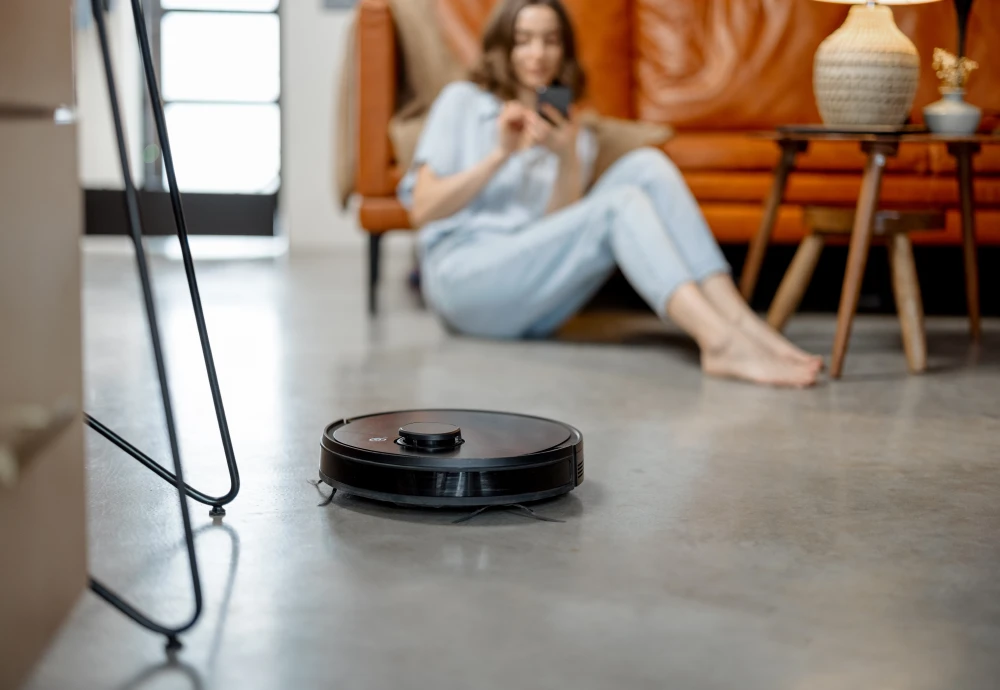
Mopping often feels like the chore that never quite gets finished. Buckets slosh, strings tangle, and floors stay wet long enough for someone to walk across them. A robot mop takes over that routine, gliding across hard floors with a damp pad while you do something else. Many models combine mopping with vacuuming, handling dust and grime in a single pass. The result keeps kitchens, bathrooms, and entryways fresher between deeper cleanings. Expectations still matter, since these machines maintain floors rather than scrub years of buildup. This article explains how automated mopping works and how to get streak-free results. It references a 2-in-1 smart model with laser mapping and automatic dust collection. Owner feedback adds real-world perspective throughout. Let us see whether your bucket can finally retire.
How a Robot Mop Works
Most automated mopping systems attach a water tank and a washable pad beneath the machine. Water seeps gradually into the pad as the robot travels, dampening the floor without flooding it. A vacuum mop combo collects loose dust first, so the pad wipes clean surfaces instead of pushing debris. This model offers that 2-in-1 design alongside lidar mapping for methodical coverage. Its app lets you define no-go zones, keeping the damp pad away from rugs and carpets. Mapping also means the machine follows efficient rows rather than wandering aimlessly. A battery lasting up to 2.5 hours covers large areas of hard flooring in one session. Owners describe the overall system as smart, thorough, and easy to manage. Understanding these mechanics helps you set realistic expectations. Gentle, frequent wiping is the core idea.
Tile, Wood, and Everything Between
Different surfaces respond differently to automated mopping. Ceramic and porcelain tile handle moisture well and benefit greatly from frequent damp wiping. Effective tile floor cleaning also reaches grout lines, where dirt tends to settle over time. Sealed hardwood tolerates light dampness, though standing water should always be avoided. Laminate requires similar caution, since excess moisture can swell seams. Vinyl plank flooring generally handles damp mopping comfortably. Set water flow to a lower level for wood and laminate surfaces. Owners of this model praise how smoothly it moves between floor types throughout the home. One reviewer said it handled transitions from carpet to hardwood impressively. Matching settings to surfaces protects your floors.
Getting the Best Results from a Robot Mop
Preparation makes a significant difference in mopping quality. Vacuum first, or use the combo mode, so the pad never drags crumbs across the floor. Fill the tank with clean water, and use only cleaning solutions approved by the manufacturer. Wash the mopping pad after every session to prevent odors and streaks. A robot mop performs best on floors maintained regularly rather than neglected for weeks. Schedule mopping runs several times a week in kitchens and entryways. Use the app to limit mopping to hard-floor rooms if rugs cannot be avoided. Keep spare pads on hand so one can dry while another works. These habits keep floors fresh with minimal effort. Small routines yield noticeably cleaner results.
Handling Spills and Sticky Spots
Kitchens and dining areas collect juice drips, sauce splatters, and mysterious residue. Damp wiping prevents those messes from hardening into stubborn spots over time. Truly sticky floors, however, may still need a quick hand scrub before automated maintenance takes over. Wipe large spills immediately, since robots should never drive through puddles. Daily mopping runs keep fresh residue from building into a tacky film. Families with toddlers find this especially helpful around high chairs and snack zones. One reviewer with two dogs and a toddler said the machine made floors far more manageable. Another mentioned that the kitchen became her favorite targeted cleaning zone in the app. Consistent maintenance prevents bigger cleaning sessions later. Prevention beats scrubbing every time.
Robot Mop Versus Traditional Mopping
Traditional methods still have a place in thorough home care. Knowing how to mop floors by hand remains useful for deep cleaning, stains, and seasonal resets. Manual mopping applies more pressure, lifting grime that light automated passes might leave behind. Automated machines excel at frequency, wiping floors daily when manual mopping happens weekly at best. Combining both approaches delivers the cleanest results with the least ongoing effort. Many owners hand-mop once a month while the machine handles everyday maintenance. Time savings add up quickly, freeing hours each month for more enjoyable activities. Floors also stay consistently presentable, which matters when guests drop by unexpectedly. The two methods complement rather than compete. Balance keeps homes spotless.
Is a Robot Mop Worth Adding?
Homes with large areas of tile, vinyl, or sealed wood benefit the most. Busy families appreciate floors that stay fresh without scheduled scrubbing sessions. Pet owners value the daily removal of paw prints and tracked-in dirt. This model combines mopping with 2700Pa suction, lidar mapping, and automatic dust collection. Voice control through Alexa or Google Assistant adds convenient hands-free operation. It holds a perfect 5.0 rating across 34 reviews, with owners praising thorough cleaning and smart navigation. A two-year warranty provides additional reassurance for a significant purchase. Choose the US plug option at checkout to ensure compatibility. To compare colors and specifications, explore the product page before deciding. Your bucket may finally earn a permanent rest.