Is a Robot Vacuum Cleaner Smart Enough for a Busy Home?
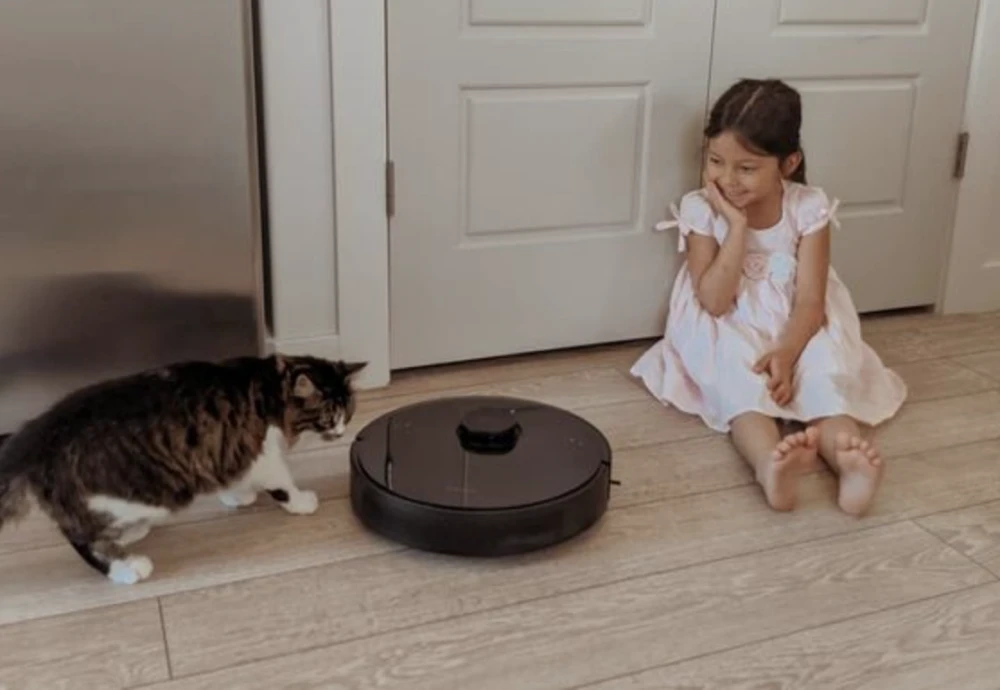
Busy homes generate dust, crumbs, and hair faster than most people can keep up. Families with pets and young children often feel that pressure most acutely. Work, school runs, and family commitments leave little energy for daily vacuuming. A robot vacuum cleaner promises to handle that routine without supervision. The question many buyers ask is whether these machines are truly smart enough to help. Modern models navigate rooms, avoid stairs, and return to charge on their own. Some also mop floors and empty their own bins at a docking station. This article examines what these machines do well and where limits remain. You will learn about power, navigation, apps, and realistic expectations. Practical buying advice rounds out the discussion for first-time owners. By the end, you can decide whether automation fits your household.
What a Robot Vacuum Cleaner Does Well
Consistency is the greatest strength of any automated cleaner. A robot vacuum cleaner can run daily, catching dust before it builds up. Hard floors and low-pile carpets typically see the best results. Under beds and sofas, low profiles reach places upright vacuums struggle with. Scheduled runs happen while you work, sleep, or relax elsewhere. Pet hair, crumbs, and tracked-in dirt get collected before spreading through rooms. Many models also handle edges and corners with spinning side brushes. Regular maintenance cleaning keeps homes feeling fresher between deeper cleans. The machine excels at repetitive, everyday tasks rather than dramatic messes. That focus makes it a reliable helper for busy routines. If this topic interests you, our article on docks that handle debris for you is a natural next step.
Power and Performance
Cleaning performance depends on several factors working together. Strong suction power, measured in pascals, helps lift debris from floors and rugs. Brush design matters just as much, especially for hair and fine particles. Rubber brushes resist tangles, while bristle brushes agitate carpet fibers effectively. Battery capacity determines how much ground the machine covers per charge. Larger homes benefit from longer runtimes or automatic recharge-and-resume features. Filter quality affects how much fine dust stays trapped inside rather than drifting back into the room. Noise levels vary, which matters for apartments and home offices. Comparing these specifications helps set realistic expectations. Balanced performance usually beats any single impressive number.
How a Robot Vacuum Cleaner Finds Its Way
Navigation determines whether cleaning feels efficient or chaotic. Basic models move randomly and rely on bump sensors to change direction. Advanced units use lidar navigation to scan rooms with laser sensors. Camera-based systems recognize landmarks and objects to plan routes. A robot vacuum cleaner with mapping can divide your home into separate rooms. Cliff sensors prevent falls down stairs and steps. Obstacle detection helps avoid cords, shoes, and pet bowls. Better navigation means fewer missed spots and shorter cleaning times. Check specifications to understand which technology a model uses. Smart navigation turns a gadget into a genuinely useful household helper.
Apps, Schedules, and Control
Companion apps unlock much of the convenience modern machines offer. Reliable app control lets you start, pause, or schedule cleaning from anywhere. Room-specific schedules target busy areas like kitchens more frequently. Virtual boundaries keep robots away from pet bowls or delicate rugs. Cleaning history shows where the machine has been and how long it ran. Notifications alert you when bins, tanks, or brushes need attention. Voice assistants allow simple commands through smart speakers in many homes. Some models let you adjust suction or water levels room by room. These tools make automation feel personal rather than generic. Good software often matters as much as good hardware.
Robot Vacuum Cleaner Limits Worth Knowing
Even the best machines have limits that buyers should understand. Stairs remain off-limits, so multi-level homes need additional cleaning methods. Thick shag rugs and loose cords can stop robots or cause tangles. Large spills and wet messes still require manual cleanup. A robot vacuum cleaner works best when floors are reasonably tidy before each run. Deep carpet cleaning still benefits from occasional upright vacuuming. Small bins on basic models fill quickly in homes with pets. Features like home mapping help, but they do not eliminate every missed corner. Understanding these limits prevents disappointment after purchase. Realistic expectations lead to happier, longer ownership.
Bringing a Robot Vacuum Cleaner Home
Choosing the right model starts with your floors, layout, and cleaning goals. Majesticor offers a smart home robot vacuum cleaner with mop and automatic dust collection. It combines vacuuming and mopping with a dock that empties debris for you. Review the product page for battery life, navigation, and app features before ordering. Measure furniture clearance and plan a convenient spot for the dock. Clear floors of cords and small items before the first run. Start with a simple schedule, then adjust as you learn its habits. Within weeks, daily dust and crumbs stop demanding your attention. Busy homes benefit most from help that never needs reminding. Smart automation, used well, gives back time for things that matter more. For more detail, see our article on scheduling around shedding season.









Leave a comment
You must be logged in to post a comment.