Floors That Clean Themselves: Living with a Robot Vacuum
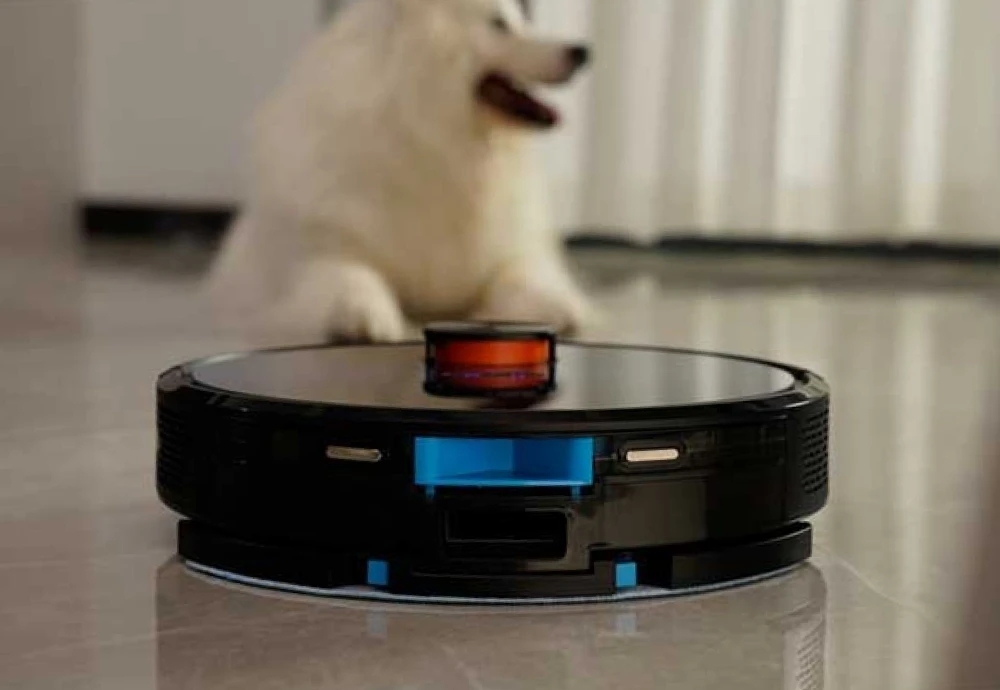
Vacuuming rarely makes anyone’s list of favorite weekend activities. It demands time, strains your back, and needs repeating almost as soon as you finish. A robot vacuum changes that rhythm by cleaning on a schedule while you work, sleep, or relax. Early models bumped randomly into walls and missed entire rooms, earning a reputation as expensive toys. Modern machines map homes precisely, mop hard floors, and empty themselves into a base station. That progress has turned skeptics into devoted fans, as many reviews make clear. This article explains how today’s machines navigate, what they handle well, and where limits remain. It references a smart model with laser mapping, 2700Pa suction, and automatic dust collection. Owner experiences add honest perspective throughout. Clean floors, it turns out, can happen without you.
How a Robot Vacuum Sees Your Home
Navigation separates a helpful machine from a frustrating one. Basic models rely on bump sensors, wandering until they eventually cover most of the floor. Advanced units use lidar navigation, spinning a laser to measure distances and build an accurate map. This model uses LDS SLAM technology, which combines laser distance sensing with real-time mapping. The result is a methodical cleaning path that covers rooms efficiently rather than randomly. One owner said it mapped each floor of her multi-story townhouse without difficulty. She then divided the maps into named rooms for targeted cleaning sessions. Obstacle avoidance helps it slip around chairs, table legs, and furniture with ease. Another reviewer praised how well it navigated a cluttered apartment and avoided tangled cords. Smart mapping is the foundation of everything else.
Apps, Voices, and Schedules
Control has moved from remote clickers to smartphone apps and voice assistants. Through the app, you can start cleaning, check progress, and review a live map from anywhere. Virtual no-go zones keep the machine away from pet bowls, cable bundles, or delicate rugs. This model also works with Google Assistant and Alexa, joining your other smart home devices seamlessly. A quick voice command sends it to clean the kitchen after dinner. One reviewer’s husband set up no-go zones around cables within minutes. Others love receiving notifications when a cleaning job finishes. The app also lets you customize cleaning plans for different rooms. These conveniences make automation feel natural rather than complicated. Technology works best when it stays out of the way.
What a Robot Vacuum Handles Best
Daily maintenance is where automated cleaning truly shines. Crumbs, dust, tracked-in dirt, and pet hair never get the chance to build up. Hard floors benefit enormously, since hardwood floor cleaning mostly means removing grit before it scratches the finish. This model’s 2700Pa suction handles fine dust and debris on wood, tile, and laminate. It also transitions smoothly to carpet, according to several owners who praised that ability. One reviewer said it leaves carpeted bedrooms perfectly clean with neat lines. Edge cleaning reaches along baseboards and into corners that hurried vacuuming often misses. A battery lasting up to 2.5 hours lets a robot vacuum cover large homes on one charge. If power runs low, it recharges and resumes where it stopped. Consistency, rather than intensity, keeps floors spotless.
Building a Cleaning Rhythm
Automation works best when it follows a predictable plan. Daily runs suit homes with pets, children, or heavy foot traffic. Every other day often suffices for quieter households with fewer messes. A smart cleaning schedule runs the machine while you are out, so you return to clean floors. One owner programs it every morning and again after dinner to handle dog fur and dirt. Another wakes up to pristine floors each day thanks to overnight scheduling. Quiet operation helps too, with one reviewer noting it never disturbs a newborn’s naps. Pair automated vacuuming with a weekly deep clean for the best overall results. Adjust the timing seasonally, increasing runs during shedding or muddy months. Routine turns effort into habit.
Robot Vacuum Limits Worth Knowing
No machine solves every cleaning challenge, and honest expectations prevent disappointment. Clearance under furniture varies, so measure beds and dressers before assuming full coverage. One owner found her furniture sat too low for the machine to slip underneath. Stairs remain off-limits, which means multi-level homes need carrying or a second unit. Long cords, socks, and small toys should be picked up before each run. Thick shag rugs can challenge any automated cleaner, so consider no-go zones for them. Another reviewer noted that clumps of cat hair occasionally resist emptying into the base. Breaking them up manually solves the problem quickly, she explained. These limitations are minor compared with the time saved every week. Knowing them upfront makes ownership smoother.
Choosing Your Next Robot Vacuum
Start with navigation, since mapping technology determines coverage and efficiency. Consider suction strength, battery life, and whether mopping matters for your floors. Automatic dust collection reduces emptying from daily to occasional, a major convenience. Check app features such as no-go zones, room selection, and scheduling flexibility. Voice assistant compatibility adds convenience if you already use a smart speaker. This model offers all of these, plus a two-year warranty for added peace of mind. It holds a perfect 5.0 rating across 34 reviews, with owners praising mapping, quiet operation, and pet hair pickup. Select the US plug option when ordering, since several plug types are available. To compare colors and features, see the full product details before deciding. Your floors could start cleaning themselves this week.