Out of Sight, Out of Mind: The Self Emptying Vacuum Explained
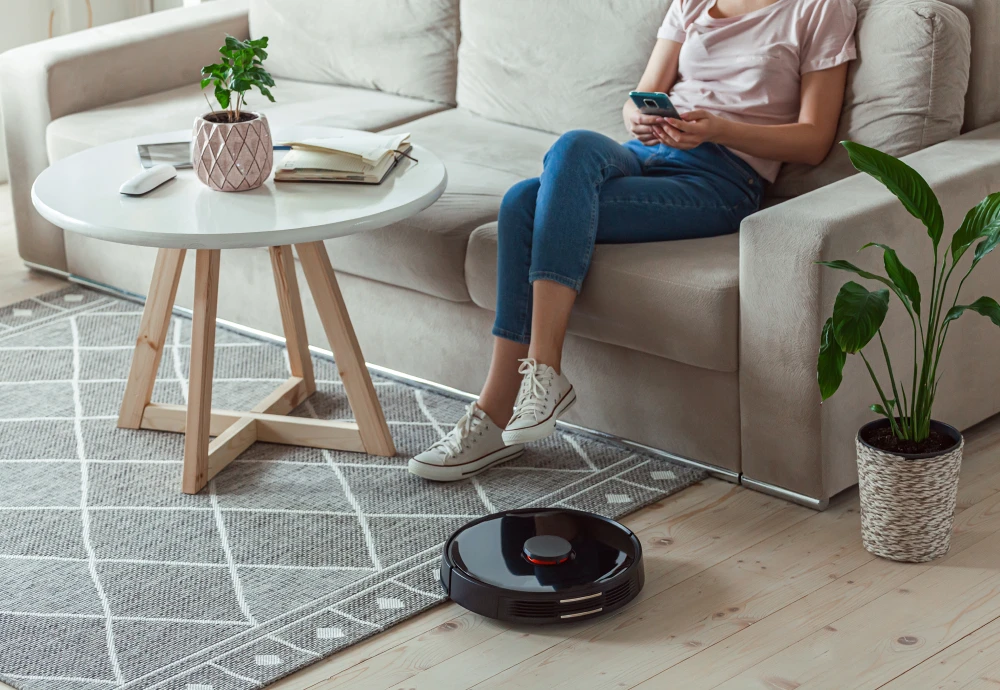
Emptying a vacuum bin ranks among the least pleasant household tasks. Dust clouds puff into the air, hair tangles around the edges, and allergens escape just as you finish. A self emptying vacuum eliminates that routine by transferring debris automatically into a sealed base. The robot returns to its dock, a powerful suction burst clears the bin, and cleaning continues later. For busy households, that small change dramatically reduces how often anyone touches dirt. Allergy sufferers benefit too, since fewer dust clouds escape into the air. This article explains how docking stations work and what owning one really involves. It references a smart 2-in-1 robot with laser mapping and automatic dust collection. Owner reviews add practical insight, including a few honest quirks. Hands-off cleaning is closer than ever.
How a Self Emptying Vacuum Works
The system has two main parts, the robot itself and a larger docking base. After cleaning, the robot drives onto its dock to recharge its battery. At the same time, the auto empty station activates a strong vacuum that pulls debris from the robot’s bin. That dirt travels into a sealed bag or container inside the base. The robot’s small bin is empty again, ready for the next scheduled run. This model combines that feature with lidar mapping, mopping, and 2700Pa suction. It also recharges and resumes cleaning automatically if a session runs long. Owners describe the convenience as a game-changer for busy homes. The process takes only seconds and requires no attention from you. Automation finally covers the whole job.
Bags, Capacity, and Hygiene
Many bases store debris in a disposable bag designed to trap fine dust. A sealed vacuum dust bag keeps allergens contained until you discard it. Capacity varies by model, but many bags last several weeks between changes. Pet owners and large households may need replacements more frequently. Removing a full bag usually takes seconds and releases little dust compared with emptying a bin. Keep a supply of compatible replacement bags on hand so cleaning never stalls. Check the bag seal periodically, since a poor fit reduces suction efficiency. This model’s high-efficiency filters work alongside the base to reduce airborne dust. One reviewer said the filtration left the air in his home feeling noticeably cleaner. Hygiene improves when hands stay off the debris.
Why a Self Emptying Vacuum Saves Time
Standard robots need emptying after nearly every run, which still requires daily attention. A self emptying vacuum stretches that interval to weeks, removing one more recurring chore. True hands free cleaning means schedules run, bins empty, and batteries recharge without intervention. One owner runs the machine twice daily for dog fur and rarely thinks about maintenance. Another family sets cleanings while they are out and returns to fresh floors. Saved minutes accumulate into hours across a single month. Those hours can go toward family time, hobbies, or a relaxing night of backyard stargazing with the kids. Reduced decision fatigue matters as well, since one less chore needs remembering. Convenience compounds in surprising ways. Freedom from small tasks feels surprisingly large.
Small Habits, Big Payoff
Even automated systems benefit from a little human support. Clear floors of socks, cords, and toys before scheduled runs. Clean the robot’s brushes every week or two, removing wrapped hair carefully. Wipe sensors gently with a dry cloth to keep navigation precise. Popular cleaning hacks also include placing the dock on a hard floor with clear space on each side. Use the app to create no-go zones around pet bowls and delicate rugs. Schedule runs when the house is empty to avoid interruptions. Replace filters according to manufacturer guidance for consistent suction. These quick tasks take minutes yet keep performance strong for years. Small effort protects big convenience.
Self Emptying Vacuum Quirks to Expect
Every technology has quirks, and honest reviews reveal them clearly. One owner noticed that clumps of cat hair sometimes resisted transferring from the bin to the base. This happened in roughly a third of cycles, according to her detailed review. Breaking up the clump manually solved the issue quickly each time. Emptying cycles are briefly loud, as powerful suction kicks in for several seconds. Schedule runs accordingly if household members are sensitive to sudden noise. Furniture clearance can also limit coverage, so measure beds and dressers beforehand. Even with these quirks, owners rate this model a perfect 5.0 across 34 reviews. Most say the convenience far outweighs occasional minor hiccups. Realistic expectations lead to happier owners.
Deciding on a Self Emptying Vacuum
Consider how often you currently empty your vacuum and how much you dislike it. Households with pets, kids, or allergies gain the most from automatic emptying. Check whether the base uses bags and how easy replacements are to find. Evaluate the robot’s other features, such as mapping, mopping, and app control. This model combines automatic dust collection with lidar navigation and a 2.5-hour battery. Voice control through Alexa and Google Assistant adds further convenience. A two-year warranty supports long-term confidence in the purchase. Remember to select the US plug when ordering. To compare colors and features, visit the product page and review the details. Your days of dusty bins could end soon.