Why a Semi Automatic Espresso Machine Keeps the Barista in You
Coffee lovers tend to fall into two camps: those who want a button and those who want a craft. A semi automatic espresso machine serves the second group without demanding professional skills. The machine controls water pressure and temperature, while you control grind, dose, and timing. That shared responsibility keeps the experience hands-on and endlessly interesting. Each shot becomes a small experiment, and each improvement feels earned. That balance is exactly why many people fall in love with home espresso. This article explains how these machines work and where they fit among other styles. You will learn the basics of dialing in, the gear that helps, and common mistakes. Practical advice on daily ownership rounds out the picture. If you enjoy learning by doing, this style deserves serious consideration.
How a Semi Automatic Espresso Machine Works
Every espresso shot depends on forcing hot water through finely ground coffee. A pump generates the pressure, while a boiler or heating system controls temperature. In a semi automatic espresso machine, you start the shot and decide when to stop it. That control lets you adjust volume, strength, and extraction to taste. By contrast, a fully automatic espresso machine stops the shot for you at a preset volume. Many people prefer the manual stop because it teaches how variables interact. You load ground coffee into a portafilter, tamp it, and lock it into place. Pressing the button begins extraction, and watching the flow guides your timing. A typical double shot runs around 25 to 30 seconds. Understanding this sequence builds a foundation for every drink you make.
Where It Sits Among Espresso Styles
Home espresso equipment spans a wide range of control and convenience. At one end, a manual espresso machine relies on a lever and your own strength. Those designs reward skill but demand practice and patience. At the other end, super-automatic machines grind, tamp, and brew at the touch of a button. Semi-automatic models sit comfortably between these extremes. They automate pressure while leaving the creative decisions in your hands. That middle ground suits people who want café-style drinks and genuine involvement. It also tends to cost less than fully automated machines with built-in grinders. Understanding this spectrum helps you choose the right level of engagement. Most beginners find the middle path easiest to grow with.
Dialing In a Semi Automatic Espresso Machine
Dialing in means adjusting variables until the shot tastes balanced. Grind size is the most important lever you can pull. A finer grind slows extraction, while a coarser grind speeds it up. Dose, meaning the weight of coffee in the basket, affects strength and body. Your semi automatic espresso machine responds to each change, so adjust one variable at a time. Sour shots usually mean under-extraction, which calls for a finer grind. Bitter, harsh shots suggest over-extraction, which calls for a coarser grind. A kitchen scale helps you measure dose and output accurately. Taste each adjustment carefully and keep simple notes. Within a few sessions, the process becomes intuitive and rewarding. If this topic interests you, our article on what a home setup should include is a natural next step.
Equipment That Makes a Difference
A few accessories improve results more than any expensive upgrade. A quality burr grinder produces consistent particles, which leads to even extraction. Some buyers choose an espresso machine with grinder to simplify their setup. Others prefer a separate grinder for more precise adjustment and easy replacement. A digital scale with a timer helps you measure dose and shot time. A solid tamper ensures the coffee bed is level and evenly compressed. Stainless steel pitchers support better milk steaming for lattes and cappuccinos. Fresh, recently roasted beans matter more than nearly any gadget. Store beans in an airtight container away from heat and light. Smart accessories turn a good machine into a great daily setup.
Common Semi Automatic Espresso Machine Mistakes
Beginners often make the same handful of errors in their first weeks. Using pre-ground coffee is the most common, since it goes stale quickly. Uneven tamping creates channels that let water bypass parts of the coffee. Skipping the warm-up period leads to shots that taste thin and sour. A semi automatic espresso machine needs time to stabilize its temperature before brewing. Ignoring cleaning allows oils and residue to build up and spoil flavor. Changing several variables at once makes it impossible to identify what helped. Some people compare results with a stovetop espresso maker and expect identical flavors. Stovetop coffee is strong and enjoyable, but it is not true espresso. Avoiding these mistakes shortens the learning curve dramatically.
Living with a Semi Automatic Espresso Machine
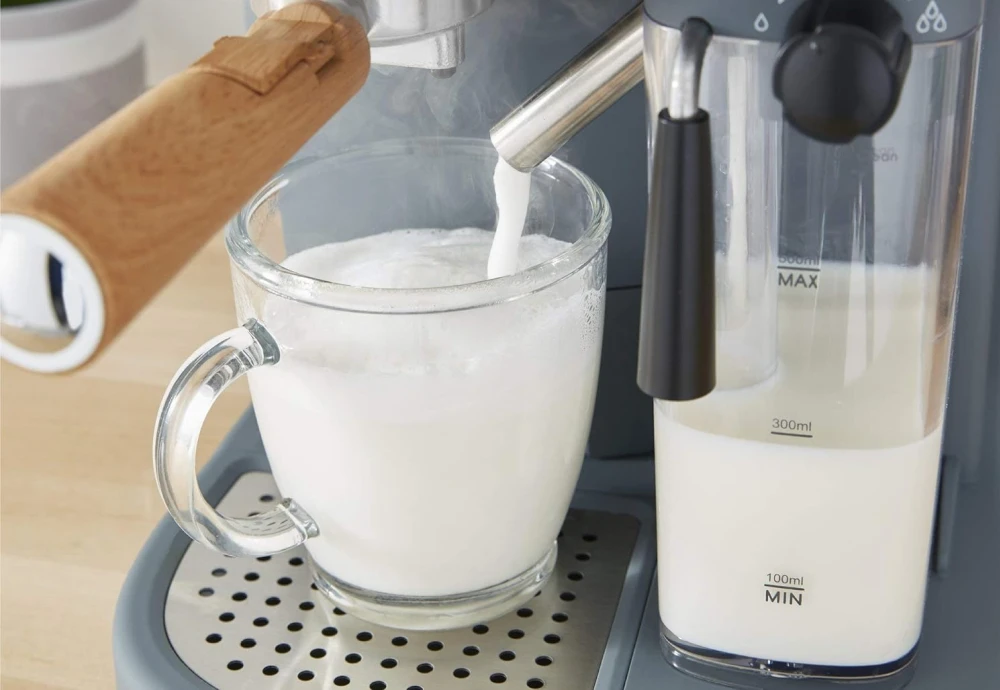
Daily ownership becomes easy once you settle into a routine. Warm the machine while you grind beans and prepare your cup. Pull the shot, steam milk if needed, and wipe the wand immediately afterward. Rinse the portafilter and empty the drip tray before leaving for work. Majesticor offers a deluxe semi-automatic espresso coffee maker with a steam milk frother. It pairs hands-on shot control with the ability to texture milk for lattes and cappuccinos. Check the product page for specifications, accessories, and dimensions before ordering. Owning a semi automatic espresso machine turns each morning into a small creative moment. Progress becomes visible as your shots grow sweeter and more balanced. That sense of mastery is the real reward behind the craft. For more detail, see our article on steaming milk step by step.









Leave a comment
You must be logged in to post a comment.