Constellations from Your Pillow: The Rise of the Stargazing Tent
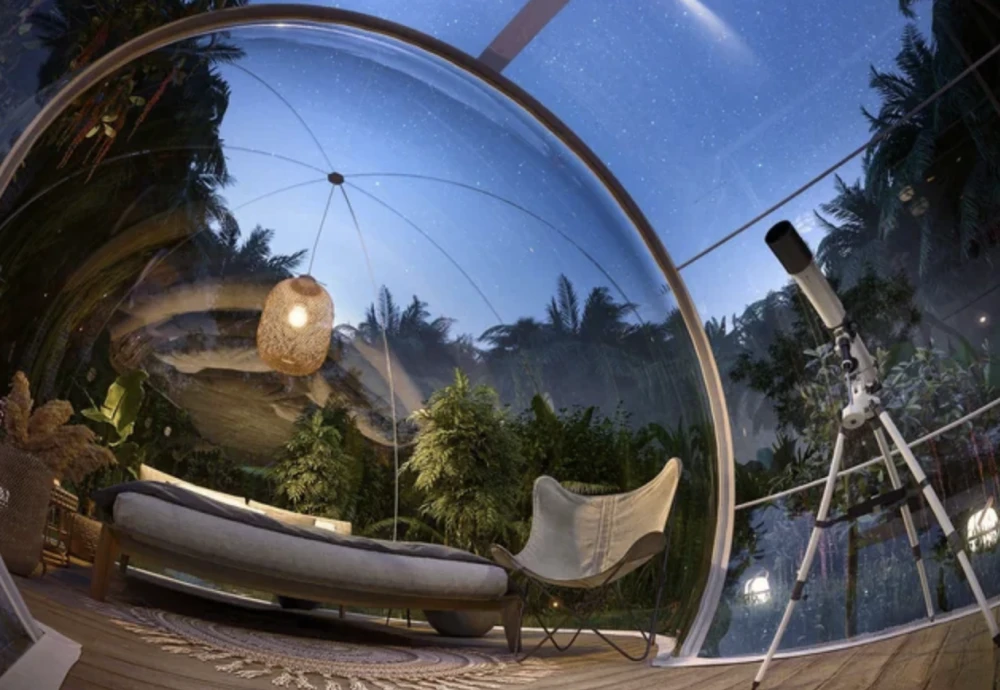
Stargazing ranks among the oldest and simplest pleasures humans have ever enjoyed. Yet cold ground, damp grass, and hungry mosquitoes often cut those evenings short. A stargazing tent solves those problems by surrounding you with clear walls and a comfortable bed. You can watch constellations wheel overhead for hours, then drift off without moving an inch. Clear inflatable domes have made this experience far more accessible than dedicated observatories ever could. They work in backyards, campgrounds, and remote dark-sky locations alike. This article covers where to set up, when to look, and how to make nights more rewarding. It references a transparent starview dome with a blower-assisted setup and roomy interior. Owner experiences add real-world insight throughout. Dim the lights, because the show is about to begin.
Why a Stargazing Tent Beats a Blanket
Lying on a blanket feels romantic until dew soaks through and the temperature drops. Clear shelters keep you dry, sheltered from wind, and protected from biting insects all night. That comfort matters during a long meteor shower, when the best activity often peaks after midnight. Instead of shivering, you can watch from a warm bed and nap between bursts of activity. The panoramic walls of this dome offer a 360-degree view of the sky and horizon. Owners describe the experience as having a private observatory under the open sky. One reviewer said stargazing had never been so comfortable. Another described the view as unbeatable for anyone who loves nature. Children especially love spotting shooting stars from their pillows. Comfort extends the wonder.
Finding Truly Dark Skies
Light pollution washes out all but the brightest stars in most cities and suburbs. Even a short drive away from town can reveal dramatically more of the night sky. Officially designated dark sky places, such as certain national and state parks, offer exceptional viewing. Online light pollution maps help identify promising locations within driving distance. Rural campgrounds often provide excellent conditions along with the amenities you need. Check the moon phase before planning, since a bright full moon hides fainter objects. New moon weekends deliver the darkest skies and the most visible Milky Way. Summer and early autumn generally offer warmer nights for extended viewing sessions. Weather apps with cloud cover forecasts help you choose the clearest evenings. Location and timing matter as much as equipment.
Setting Up a Stargazing Tent for Best Views
Choose a site with an open horizon, away from tall trees and nearby buildings. Avoid parking lots and porch lights, which create glare on transparent walls. Orient the bed so your head points toward the darkest part of the sky. A stargazing tent works best when interior lights stay off or switch to red mode. Red light preserves night vision, while white light resets your eyes’ adjustment instantly. Inflate the dome with its blower well before sunset, giving yourself time to arrange bedding. Many inflatable domes need the blower running to stay up, so confirm power arrangements in advance. Wipe the walls gently with a soft cloth, since smudges and dust blur the view. Keep a thermos and snacks nearby so you rarely need to leave. Preparation lets the sky take center stage.
Capturing the Night
Many stargazers eventually want to photograph what they see. Smartphone night modes now capture surprisingly detailed images of stars and the Milky Way. For serious night sky photography, a camera on a tripod with long exposures delivers stunning results. Shooting through clear walls can create reflections, so step outside for critical shots. Position the camera close to the wall and block interior light if you shoot from inside. Timelapse sequences of rotating stars over the dome make captivating keepsakes. Include the glowing tent in a few wide shots for a magical, storytelling image. Friends often feel inspired to try it after seeing a dome lit beneath a dramatic sky. Practice on several nights to refine exposure and focus settings. Memories last longer when you capture them well.
A Stargazing Tent for Curious Kids
Children naturally ask big questions about planets, stars, and the universe beyond. A night under clear walls turns those questions into hands-on discovery. Simple astronomy for kids starts with spotting the Big Dipper and following it to the North Star. Star chart apps help young explorers identify constellations by pointing a phone at the sky. Planets appear as bright, steady points that do not twinkle like stars. Satellites crossing silently overhead always spark excitement and plenty of follow-up questions. One reviewer said her kids loved watching wildlife from inside the dome. Another called the tent a favorite for backyard camping with his children. Bedtime becomes a science lesson nobody wants to end. Wonder, nurtured early, often lasts a lifetime.
Making the Most of a Stargazing Tent
Plan evenings around celestial events, such as meteor showers, eclipses, and planetary alignments. Invite friends who share your curiosity, since conversation adds warmth to long nights. Bring binoculars, which reveal craters on the Moon and star clusters without complicated setup. Keep a simple journal noting dates, locations, and highlights from each session. This starview dome holds a perfect 5.0 rating from 23 reviews, with owners praising its view and durability. Many describe nights inside as magical, immersive, and unforgettable. Its waterproof walls also mean a sudden shower will not ruin the trip. Consider placement carefully, since direct sun heats clear walls quickly during the day. To check dimensions and setup details, visit the product page and plan your first night. The universe is waiting just beyond the wall.