Saturday Mornings, Rewritten by a Self Propelled Lawn Mower
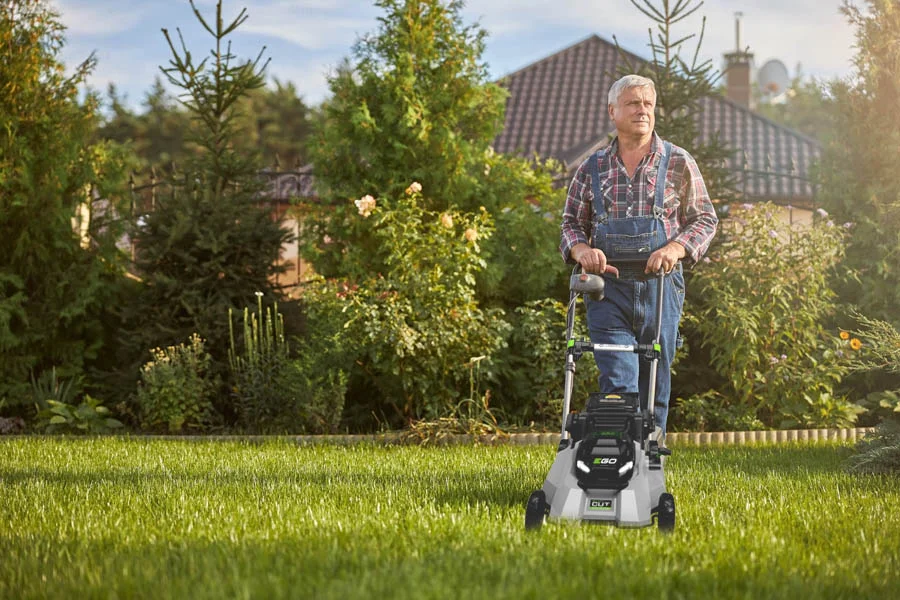
Saturday mornings used to mean pushing a heavy machine up the same stubborn slope. By the final pass, arms ached and the weekend already felt shorter. A self propelled lawn mower changes that routine by letting the wheels do the hard work. You simply guide the machine while it moves forward at a comfortable pace. For yards with hills, thick turf, or long stretches, the difference feels immediate. Modern battery models add quiet operation and push-button starts to the experience. This article explains how these mowers work and what separates good designs from frustrating ones. You will learn about drive systems, speed control, and power choices. There is also an honest look at which yards benefit most. By the end, your next Saturday might feel noticeably lighter.
What a Self Propelled Lawn Mower Actually Does
A standard push mower relies entirely on your strength to move forward. Every slope, bump, and patch of damp grass adds resistance you must overcome. A self propelled lawn mower uses a motor to drive the wheels instead. Your role shifts from pushing to steering, which reduces fatigue considerably. Many models let you engage the drive with a lever or bar on the handle. Releasing it stops the wheels, giving you control in tight corners. For anyone shopping for a reliable lawn mower, this feature often becomes non-negotiable. Larger yards especially benefit, since effort accumulates over every square foot. Older homeowners and people with back or shoulder concerns also appreciate the help. The result is a cleaner cut finished with more energy left over.
Hills, Thick Grass, and Tired Arms
Sloped lawns reveal the limits of pushing faster than any other terrain. Going uphill demands constant force, while going downhill requires careful braking. Powered wheels handle both directions far more smoothly than muscle alone. Thick, fast-growing grass creates similar resistance, especially in late spring. Wet mornings add weight and drag to every pass across the yard. These conditions also affect cut quality, since tired operators tend to rush. Rushed mowing leaves uneven strips and missed patches along edges. A machine that keeps a steady pace produces more consistent results. Many homeowners find their lawns look better simply because mowing feels less exhausting. Comfort and quality, it turns out, are closely connected. For more detail, see our article on signs a manual mower no longer fits your yard.
Choosing a Self Propelled Lawn Mower Drive System
Drive systems vary, and each affects how the machine handles your terrain. Front-wheel drive turns easily and works well on flat, open lawns. Rear-wheel drive provides better traction on hills, because weight shifts backward when climbing. All-wheel drive offers maximum grip but usually adds cost and weight. Your self propelled lawn mower should match the slopes and obstacles you face weekly. Traditional buyers often compare a self propelled gas lawn mower against battery options first. Gas engines deliver strong power but bring fumes, noise, and regular maintenance. Battery systems eliminate oil changes and pull cords entirely. Deck size matters too, with 21 inches offering a popular balance of coverage and maneuverability. Thinking through these factors narrows the field quickly.
Gas, Battery, or Robot
Homeowners today have three main paths for keeping grass under control. Gas mowers remain familiar, though they require fuel storage and seasonal tune-ups. Battery models start instantly, run quietly, and produce no exhaust while cutting. A robotic lawn mower handles cutting on its own, but setup and price can be demanding. Robots also struggle with complex yards, steep slopes, and irregular edges. For many households, a battery walk-behind model sits in the sensible middle. It offers the control of traditional mowing with modern convenience. Higher-voltage systems, such as 56-volt platforms, deliver power suited to thicker grass. Battery runtime varies by model and conditions, so check specifications carefully. The best choice balances budget, yard size, and how involved you want to be.
Speed Control on a Self Propelled Lawn Mower
Speed control often separates a pleasant mower from an irritating one. Fixed-speed drives can feel too fast for trimming and too slow for open stretches. A variable speed lawn mower lets you match the pace to your walking stride. Some designs place speed adjustments directly at the handle for fingertip control. Touch-style systems respond to light pressure rather than requiring a firm squeeze. That approach reduces hand fatigue during longer mowing sessions. Your self propelled lawn mower should feel responsive without lurching forward unexpectedly. Test how easily you can slow down near flower beds and fences. Smooth deceleration protects plants, edging, and your own peace of mind. Good speed control makes the machine feel like an extension of your movement.
Is a Self Propelled Lawn Mower Right for Your Yard?
Small, flat lawns may not need powered wheels at all. Medium and large yards, however, benefit noticeably from the reduced effort. Hills, thick grass, and limited physical stamina all strengthen the case. Majesticor offers a 21-inch, 56-volt cordless model with Select Cut and self-propelled Touch Drive technology. It combines battery convenience with a drive system designed for comfortable control. Review the product details for battery, runtime, and charging information before buying. Consider storage space as well, since some models fold for easier keeping. A self propelled lawn mower can turn a weekly chore into a manageable routine. Mowing day becomes something you fit around plans instead of planning around it. That kind of change is worth weighing seriously. Readers who want to go further can explore our piece on how runtime and charging really work.









Leave a comment
You must be logged in to post a comment.